 Sarasota Siding
 Why Asphalt Shingle Roofing in The Meadows Takes Local Knowledge
The Meadows sits inland from the coast, but "inland" in Sarasota County doesn't mean sheltered. Homes here still take a beating from hurricane-force winds during tropical systems, intense year-round UV that most of the country never sees, wind-driven rain that finds every weak seam, and salt-laden air that drifts further inland than most homeowners expect. An asphalt shingle roof that isn't installed with this climate in mind will show it early — curling shingle edges, granule loss, soft spots at the valleys, or leaks that show up two years before they should.
A correct asphalt shingle roof for this neighborhood isn't a different product line than what you'd see elsewhere in Florida — it's the same shingle installed with the fastening pattern, underlayment, and flashing details that actually hold up to Gulf Coast weather instead of the bare-minimum install that passes inspection and fails five years later.
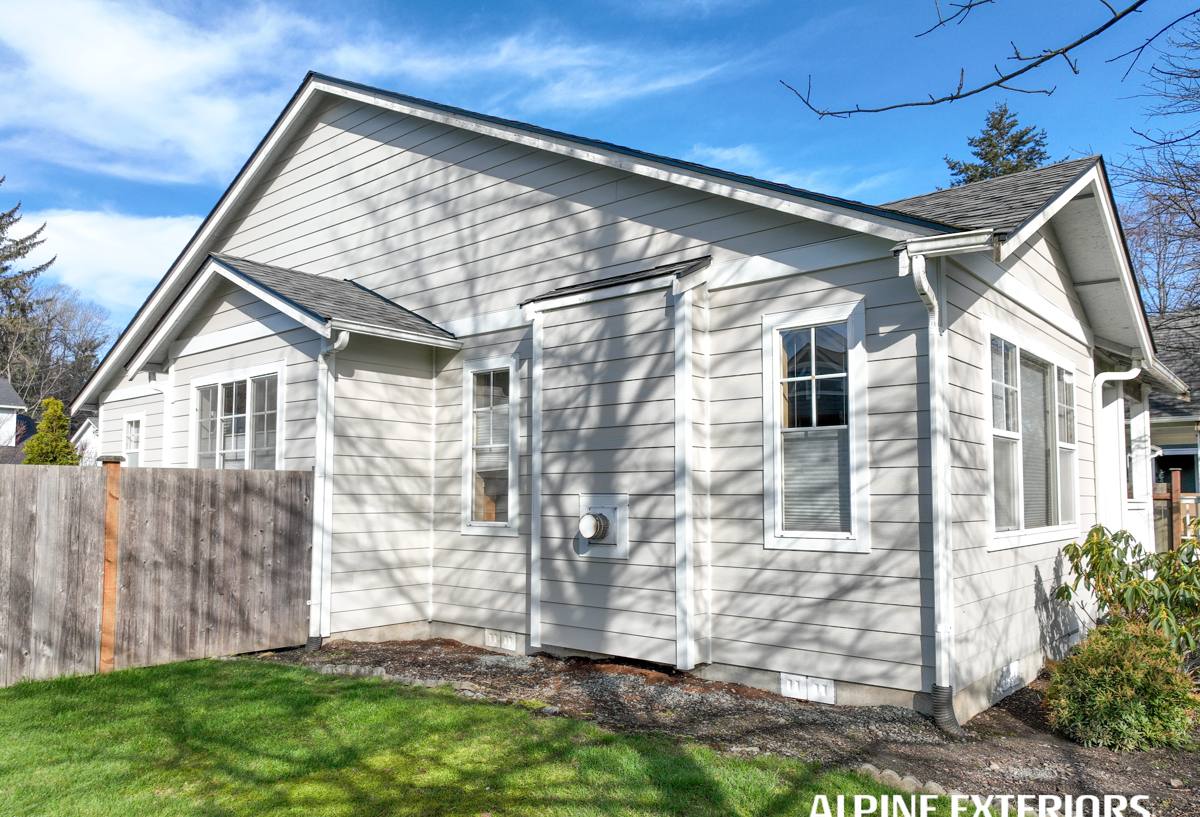
What The Meadows Homes Specifically Need From a Shingle Roof
Every roof we put on in this part of Sarasota County has to answer to a few local realities at once, not just one.
Wind Resistance
Standard nailing patterns are built for national averages, not the wind speeds this region can see. We fasten to the shingle manufacturer's high-wind specification, which usually means more nails per shingle and tighter attention to nail placement — a detail that's invisible once the roof is finished but is the single biggest factor in whether shingles stay put during a storm.
UV and Heat Tolerance
Florida sun breaks down asphalt shingles from the surface in, drying out the asphalt and causing granule loss well before a shingle's rated lifespan in a milder climate. Shingle quality and proper attic ventilation both matter here — a hot, poorly vented attic bakes the underside of the roof deck and shortens shingle life from below as well as above.
Wind-Driven Rain
Straight-down rain is easy for any roof to shed. Wind-driven rain pushes water sideways and upward under shingle edges, which is why underlayment choice, valley treatment, and flashing at every roof penetration matter more here than in drier regions.
Salt Air Exposure
Even away from the immediate coastline, salt air accelerates corrosion on exposed metal — nails, flashing, vent stacks, and drip edge. We use fasteners and flashing rated for coastal exposure rather than standard-grade hardware that starts rusting within a few seasons.
Signs a The Meadows Roof Needs Attention
- Granules collecting in gutters or at downspout outlets
- Shingle edges curling, cupping, or lifting at the corners
- Dark streaking or algae staining across the shingle field
- Soft or spongy spots when walked, especially near valleys
- Visible daylight or water stains in the attic near roof penetrations
- Missing or cracked shingles after a windstorm
- Rusting nail heads or flashing showing through the shingle surface
Any one of these on its own isn't necessarily an emergency, but they're worth a professional look before the next named storm rolls through — small issues under a shingle roof stay small far longer if they're caught early.
What a Correct Asphalt Shingle Roofing Job Involves
Full Tear-Off, Not a Layover
Roofing over an existing layer hides the condition of the deck underneath and traps heat and moisture between layers. We remove the old roofing down to the deck so it can actually be inspected and repaired where needed, and so the new system performs the way it's designed to.
Deck Inspection and Repair
Any soft, delaminated, or water-damaged decking gets replaced before anything goes back down. Fastening a new roof over a compromised deck is one of the most common causes of early failure, and it's not something a homeowner can see once the shingles are on.
Underlayment
A synthetic or self-adhering underlayment goes down as the roof's real waterproofing layer — the shingles shed the bulk of the water, but the underlayment is what protects the deck if wind drives rain underneath them or if a shingle is ever lost in a storm.
Flashing and Valleys
Flashing around chimneys, skylights, walls, and pipe penetrations, along with proper valley treatment, is where the majority of roof leaks actually originate — not in the open field of shingles. This is the detail work that separates a roof that lasts from one that leaks within a couple of storm seasons.
Shingle Installation
Shingles are installed to the manufacturer's high-wind fastening specification with correct nail placement and exposure. Ridge caps and starter strips are installed to match, since a roof is only as wind-resistant as its weakest edge.
Ventilation
Intake and exhaust ventilation are checked and corrected as needed so the attic can actually breathe. This protects the roof deck from the inside and keeps shingle temperatures — and lifespan — closer to what the manufacturer rates them for.
Choosing a Shingle System for This Neighborhood
Not every asphalt shingle product is built the same way, and the right choice depends on how much wind resistance and lifespan a homeowner wants to pay for up front.
| Shingle Type | Typical Wind Rating | Best Fit For |
|---|---|---|
| Standard 3-tab | Lower end of rated range | Budget-conscious reroofs on lower-exposure structures |
| Architectural (laminated) | Mid-to-high rated range | Most homes in The Meadows — balance of durability, appearance, and cost |
| High-wind / impact-rated architectural | Top of manufacturer rated range | Homes wanting maximum storm resistance and longer warranty coverage |
We'll walk through the manufacturer's actual wind ratings and warranty terms for whichever line a homeowner is considering — those numbers matter more than the marketing name on the shingle bundle.
How Our Process Works
Inspection and Estimate
We start with a walk of the roof and attic, note the deck condition, ventilation, and any flashing issues, and put together a written estimate that spells out the shingle system, underlayment, and scope of work — no vague line items.
Permitting
Roof replacements in Sarasota County require a permit and inspection. We handle that process as part of the job so the work is documented and code-compliant, which also matters for insurance and resale down the line.
Install Day
Tear-off, deck repair, underlayment, flashing, and shingle installation happen in sequence, with the deck never left exposed longer than necessary given Florida's afternoon storm patterns.
Final Walkthrough and Cleanup
We do a final inspection with the homeowner, confirm the county inspection is scheduled or passed, and make sure the property — including magnetic sweep for stray nails — is left clean.
What Affects the Cost
| Factor | Why It Matters |
|---|---|
| Roof size and pitch | More surface area and steeper slopes mean more material and labor time |
| Number of layers being removed | Tear-off labor increases with each existing layer |
| Deck condition | Rotted or delaminated decking adds repair cost that can't be known until tear-off |
| Shingle tier chosen | 3-tab, standard architectural, and high-wind architectural carry different material costs |
| Roof complexity | Valleys, dormers, chimneys, and skylights add flashing labor |
| Ventilation upgrades | Adding or correcting intake/exhaust vents is sometimes needed to meet code or manufacturer requirements |
Because deck condition often isn't fully known until the old roofing is off, we build any allowance for surprise repairs into the estimate up front rather than tacking on unexpected costs mid-job.
Why Hiring a Crew That Already Works The Meadows Matters
A roofing crew that regularly works this part of Sarasota gets a few things right by default that an out-of-area crew has to learn on the job: the fastening standard this wind exposure calls for, which flashing and fastener grades hold up to the salt air here, and how the local permitting and inspection process actually runs. That familiarity shows up as fewer surprises, fewer inspection delays, and a roof detailed the way this climate requires rather than the way a general spec sheet suggests.
It also means a contractor who's still around and reachable if a question comes up after a storm — not a name from an out-of-state storm-chasing crew that's long gone by the next season.
Caring for an Asphalt Shingle Roof After Installation
- Have gutters cleaned regularly so water isn't held against the roof edge
- Trim overhanging branches that drop debris or hold moisture against the shingles
- Schedule a roof check after any major named storm, even if no leak is visible
- Address small flashing or sealant issues promptly rather than waiting for a leak
- Keep an eye on attic ventilation, especially if insulation work is done later
A well-installed asphalt shingle roof in this climate is a long-term investment, and simple upkeep is what gets a homeowner the full lifespan out of it rather than an early second replacement.
If your roof in The Meadows is showing wear, due for replacement, or you just want an honest read on its condition, we're glad to come take a look. Estimates are free, and there's no pressure to sign anything on the spot — use the form below to get started.