 Sarasota Siding
 Bee Ridge Sits in One of Florida's Toughest Climates for Siding
Bee Ridge is an established, largely residential part of Sarasota, and while it sits inland from the barrier islands, it isn't sheltered from what makes Gulf Coast siding decisions different from siding decisions almost anywhere else in the country. Homes here still face the same regional stresses as the rest of Sarasota County: hurricane-force wind gusts during named storms and seasonal squalls, near-constant UV exposure that runs at a higher intensity than most of the continental U.S., wind-driven rain that gets forced sideways into wall assemblies rather than falling straight down, and salt-laden air that travels further inland than most homeowners assume, especially on breezy days.
Put those four factors together and you get a climate that is genuinely hard on exterior building materials. Siding that isn't built for this environment doesn't fail gracefully — it fades unevenly, absorbs moisture at seams and cut edges, warps, or becomes brittle and prone to wind damage well before a homeowner expects to be thinking about a replacement. That's the backdrop for every recommendation on this page.
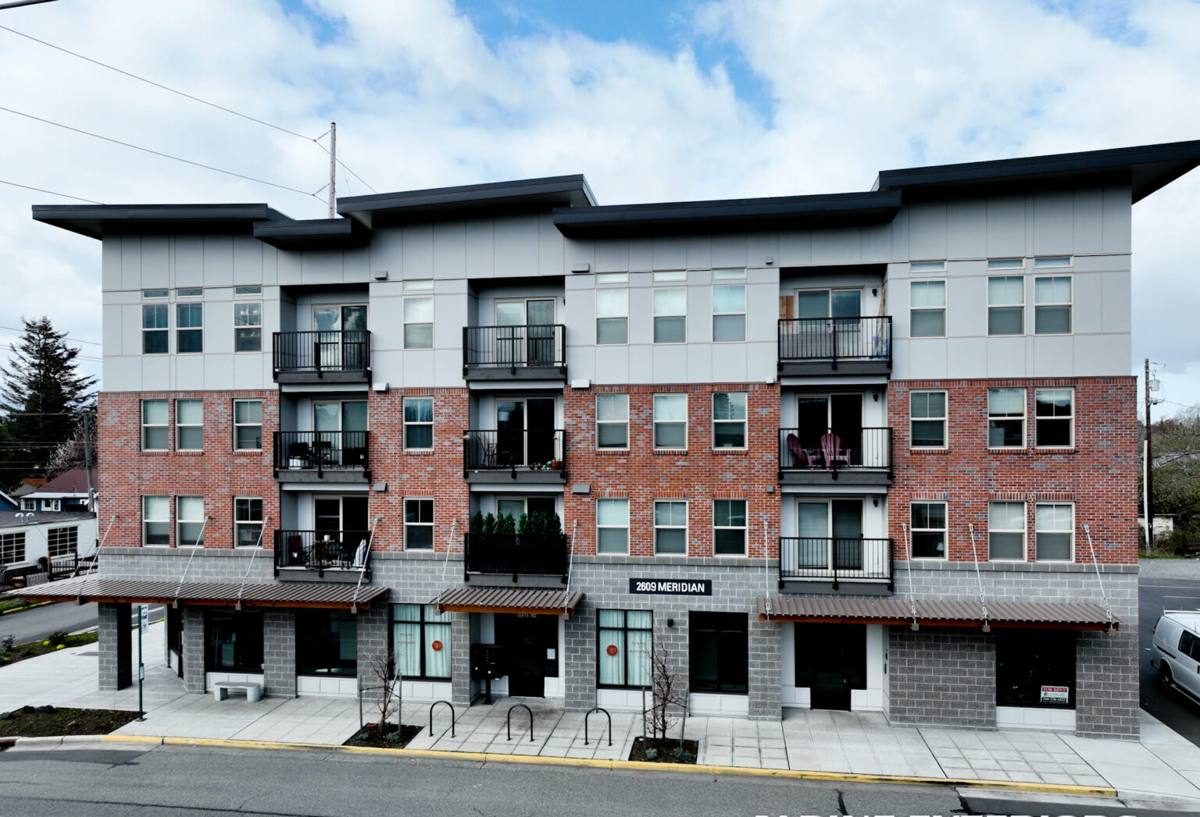
Why We Only Install James Hardie in Bee Ridge
We install James Hardie fiber cement siding exclusively. We don't offer vinyl, LP SmartSide, Cemplank, Allura, or primed wood siding, and that's a deliberate professional standard, not a sales preference. Fiber cement is a non-combustible blend of cement, sand, and cellulose fiber. It doesn't soften in heat, it doesn't become brittle the way vinyl can after years of UV exposure, and it holds paint and factory finish far more consistently than wood-based products in a humid, sun-heavy climate.
James Hardie also factory-applies its ColorPlus finish under baked-on, controlled conditions, which resists the fading and chalking that field-applied paint struggles with under Sarasota's UV load. That matters more here than it would in a milder climate — the sun exposure that bakes a Bee Ridge roofline and south- or west-facing wall day after day is exactly the kind of exposure that separates a finish that holds up for decades from one that starts looking tired in a few years.
Climate-Engineered Product Lines
James Hardie manufactures different formulations for different climate zones, and it matters that we're specifying the right one for this region. Homes in Sarasota County fall into Hardie's HZ5 climate zone, engineered specifically for high-humidity, high-moisture regions like Florida's Gulf Coast — as opposed to the HZ10 formulation built for freeze-thaw climates further north. Installing the wrong regional formulation is a mistake some out-of-area or lower-volume installers make; it's not a mistake we make, because Bee Ridge and the surrounding Sarasota area are what we work in every week.
Choosing the Right Hardie Product Line for a Bee Ridge Home
Not every Hardie product looks or performs the same way, and the right choice depends on the home's architecture, the neighborhood's general character, and how much of the wall is exposed to direct sun and driving rain. The table below covers the three lines we install most often on Bee Ridge homes.
| Product | Best Suited For | What It Offers |
|---|---|---|
| HardiePlank Lap Siding | Traditional and ranch-style homes, the most common Bee Ridge profile | Classic horizontal lap look, widest color and texture selection, proven performance in coastal-adjacent climates |
| HardieShingle Siding | Accent gables, dormers, or homes going for a coastal cottage look | Staggered or straight-edge shingle appearance without the moisture issues of wood shakes |
| HardiePanel Vertical Siding | Modern builds, porch accents, gable ends | Clean vertical lines, often paired with board-and-batten trim for a contemporary look |
Most full-home Bee Ridge projects use HardiePlank as the primary field material, with HardieShingle or HardiePanel reserved for accent areas. That combination gives the home visual depth without overcomplicating the installation or the long-term maintenance.
What a Correct Hardie Installation Actually Involves
James Hardie siding performs the way it's rated to perform only when it's installed to the manufacturer's specifications — and in a wind-and-moisture climate like Sarasota's, the margin for error is smaller than it looks. A correct installation is not just nailing boards to a wall. It involves a series of details that are easy to skip and expensive to fix later:
- Proper clearance: Hardie requires minimum clearance from grade, roofing, and decking surfaces so water sheds away from the bottom edge of the siding instead of wicking into it.
- Weather-resistive barrier and flashing: A correctly lapped moisture barrier and properly integrated flashing at every window, door, and penetration keep wind-driven rain from working its way behind the siding during a squall.
- Fastener pattern and type: Corrosion-resistant fasteners, placed at the manufacturer's specified spacing and depth, are what keep panels secure in sustained high winds — this is not an area to cut corners in a hurricane-exposed county.
- Joint treatment: Butt joints need to be properly flashed or sealed with the correct sealant, not just caulked over, or they become the first place moisture finds its way in.
- Starter strips and trim integration: Getting the first course level and properly supported sets the accuracy of every course above it.
Skipping or rushing any one of these doesn't necessarily show up on day one. It shows up two, five, or ten years later as a soft spot, a stained seam, or siding that comes loose in a storm — which is exactly the kind of failure that gives fiber cement a bad reputation it doesn't deserve when it's actually the installation, not the product, that was the problem.
Our Process for a Bee Ridge Siding Project
We run every project the same disciplined way, whether it's a single accent wall or a full home re-side.
- On-site inspection and estimate: We walk the exterior, check existing sheathing and trim condition, and talk through product line and color options based on the home's exposure and style.
- Tear-off and substrate check: Old siding comes off and we inspect the sheathing underneath for rot or moisture damage before anything new goes up — this step catches problems that would otherwise get sealed behind new siding.
- Moisture barrier and flashing installation: A new weather-resistive barrier goes on correctly lapped, with flashing detailed at every window, door, and penetration point.
- Hardie installation to manufacturer spec: Panels or planks go up with the correct clearance, fastener pattern, and joint treatment for the HZ5 climate zone.
- Trim, caulking, and final finish: Trim boards, corner details, and caulking are completed to match the ColorPlus finish for a clean, uniform look.
- Walkthrough: We go around the home with the homeowner before calling the job done, so nothing gets left on a punch list after we've packed up.
Why Hiring a Crew That Already Works Bee Ridge Matters
A siding installer who works Sarasota County regularly brings knowledge to a Bee Ridge project that's hard to replicate from a one-off job. That includes a working familiarity with local permitting requirements, an understanding of the wind-load expectations tied to Florida's building code in a hurricane-exposed county, and firsthand experience with the kind of sheathing and moisture conditions that show up on homes of a certain age in this area. It also means faster response if a warranty question or minor issue comes up after the job is done — we're not driving in from another region to handle it.
Local experience also shows up in smaller, less obvious ways: knowing which colors and profiles read well against Sarasota's intense midday sun, understanding how salt air affects fastener and trim choices even a few miles inland, and having already solved the kind of tricky flashing details that older Bee Ridge homes with additions or updated windows tend to present.
Maintenance Bee Ridge Homeowners Should Expect
One of the real advantages of fiber cement over wood or vinyl in this climate is how little ongoing maintenance it demands when it's installed correctly. That said, "low maintenance" isn't "no maintenance," and a little attention goes a long way toward protecting the investment.
- Rinse the siding once or twice a year with a garden hose to clear salt residue and airborne debris — a pressure washer isn't necessary and can damage caulking if used carelessly.
- Inspect caulking at joints, windows, and trim annually, especially after hurricane season, and have any cracked or separated sealant redone promptly.
- Trim back landscaping and irrigation heads so sprinklers aren't hitting the siding directly and shrubs aren't trapping moisture against the wall.
- Have a professional check flashing and fastener condition every few years, particularly after any major storm event.
- Touch up any chips or scratches promptly so the substrate underneath stays protected.
What Influences the Cost of a Hardie Project in Bee Ridge
Every home is different, so we don't publish blanket pricing — but the factors that move a quote up or down are consistent across Bee Ridge projects.
| Factor | How It Affects Cost |
|---|---|
| Home size and wall complexity | More square footage and more corners, dormers, or gables mean more material and labor time |
| Tear-off and substrate repair | Rotted sheathing or trim found during tear-off adds repair cost before new siding can go on |
| Product line and profile mix | A full HardiePlank field with shingle or panel accents costs more than a single profile throughout |
| Trim and accessory work | Corner boards, window trim, and fascia detailing add labor and material beyond the field siding itself |
| Color and finish selection | Factory ColorPlus finishes vary slightly in cost by color and sheen relative to primed-for-paint options |
The only way to get an accurate number for a specific Bee Ridge home is a site visit — square footage estimates from a satellite photo miss the trim complexity and substrate condition that actually drive the price.
Ready to Talk About Your Home
If you're weighing a siding replacement in Bee Ridge and want a straight answer about what your home needs, we're happy to take a look. Fill out the form below for a free, no-pressure estimate — we'll walk the exterior, talk through the right James Hardie product for your home, and give you a clear picture of scope and cost before anything is decided.