 Sarasota Siding
 Storm Damage Roof Repair for Bee Ridge Homes
Bee Ridge sits inland from the coast but still takes a direct hit every time a tropical system, severe thunderstorm line, or straight-line wind event moves through Sarasota County. The roofs in this neighborhood run the full range — mid-century block homes with older shingle or tile roofs, 1980s and 90s subdivisions with dimensional shingles, and newer construction with architectural shingle or tile systems. What they all have in common is exposure to the same punishing combination of hurricane-force wind gusts, wind-driven rain that finds every weak seam, and year-round UV that quietly breaks down roofing material long before a storm ever arrives.
Storm damage repair is not a one-size-fits-all service. A roof that loses a few tabs in a wind event needs a different scope of work than one with a punctured deck, lifted underlayment, or hidden water intrusion that only shows up as a ceiling stain weeks later. This page covers what storm damage repair actually involves for homes in the Bee Ridge area, how we approach it, and what to look for when you're deciding who touches your roof after a storm.
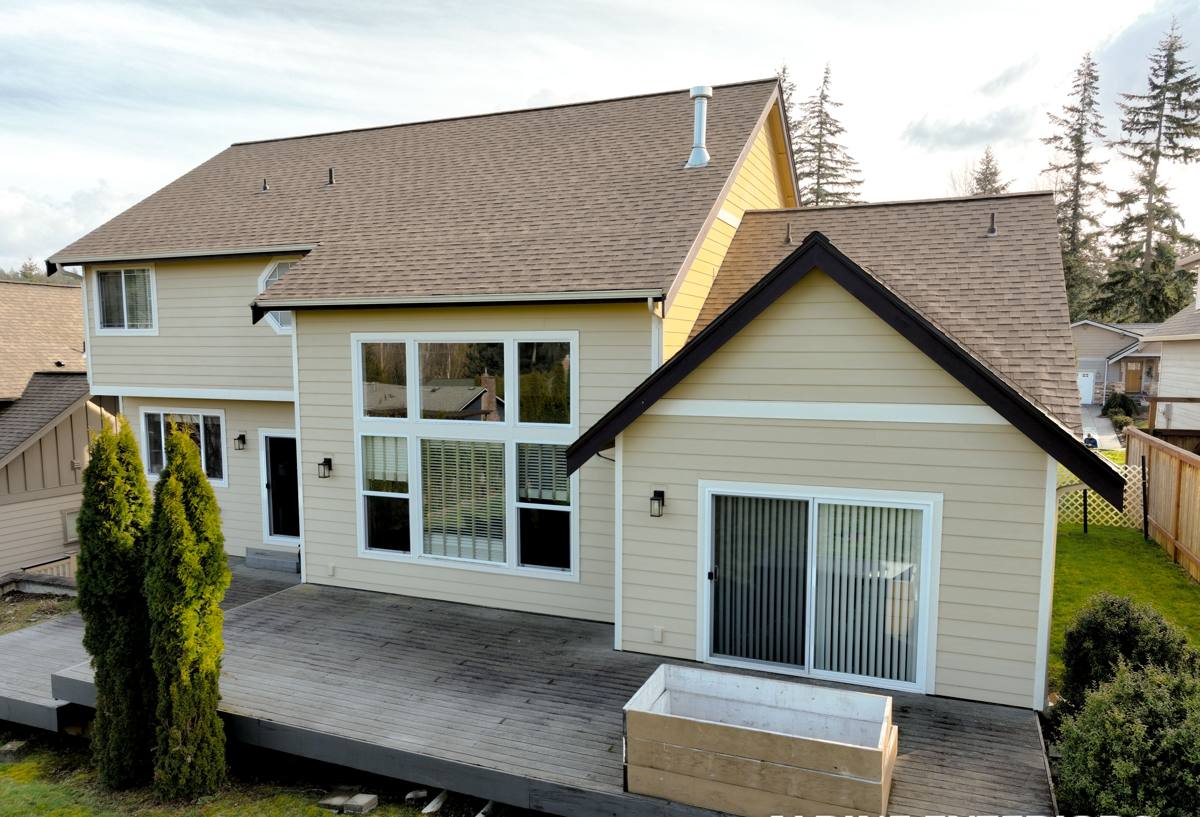
Why Bee Ridge Roofs Are Vulnerable to Storm Damage
Sarasota County sits squarely in the path of Gulf-fed tropical systems, and Bee Ridge gets the same wind and rain exposure as the rest of the region even without direct waterfront. A few local factors make storm damage more likely and more serious here:
Wind-Driven Rain
Straight-down rain rarely causes a roof leak on a properly installed system. Wind-driven rain is different — it gets pushed sideways and even slightly upward under shingle edges, around flashing, and into any gap that's opened up over time. A roof that's held up fine for years can start leaking the moment a storm pushes rain at it from an unusual angle.
Sustained UV Exposure
Florida's sun is not seasonal the way it is farther north — roofing materials here take direct, intense UV essentially year-round. That accelerates the breakdown of asphalt shingle granules, dries out sealant strips, and makes underlayment brittle faster than manufacturer ratings often assume. A roof that looks fine from the ground may already be weakened going into storm season.
Wind Uplift on Older Systems
Many homes in this part of Sarasota County were built or re-roofed before current wind-uplift standards were in place. Older nailing patterns, older fastener counts, and older flashing details simply don't hold up the way current code-compliant installations do when gusts reach hurricane force.
Salt Air Corrosion
Bee Ridge isn't beachfront, but salt-laden air moves inland across the whole Sarasota area. Over time it corrodes exposed metal fasteners, flashing, and vent components — weak points that a storm will find first.
What Counts as Storm Damage
Not all storm damage is obvious. Some of it is, and some of it hides until it's already caused interior damage. A thorough inspection after any significant wind or rain event should check for all of the following:
- Missing, cracked, or curled shingles, or displaced or cracked tiles
- Granule loss showing as bare or dark patches on shingle roofs
- Lifted or torn underlayment visible at exposed edges or through gaps
- Bent, lifted, or missing flashing around chimneys, skylights, and roof-to-wall transitions
- Damaged or clogged gutters and downspouts pulling away from the fascia
- Punctures or dents from wind-blown debris, including tree limbs
- Soft spots in the decking, usually found by walking the roof, not looking at it
- Water stains on interior ceilings or in the attic that appear after — but not necessarily during — the storm
That last point matters. A lot of storm damage doesn't announce itself with a dramatic leak during the storm. It shows up days or weeks later as a slow stain, a musty smell in the attic, or soft drywall. Waiting to see if a problem "gets worse" before calling someone almost always costs more than addressing it early.
Our Storm Damage Repair Process
When we go out to a Bee Ridge home after storm damage, we follow the same sequence every time:
1. Full Roof and Attic Inspection
We inspect the roof surface, all penetrations, flashing, and gutters, and we go into the attic when accessible to check the underside of the decking for moisture, staining, or daylight coming through fastener holes. A roof can look fine from the ground and still have a compromised deck underneath.
2. Written Scope with Photos
You get a clear written explanation of what's damaged, what caused it, and what it will take to fix — not a vague verbal estimate. If there's a difference between what's cosmetic and what's structural or leak-related, we say so plainly.
3. Temporary Protection When Needed
If there's an active leak or exposed decking, we get it covered and protected first, before scheduling the full repair, so you're not taking on more water damage while parts get ordered or an insurance claim moves forward.
4. Repair Matched to the Actual Damage
We replace what needs replacing — matching shingle or tile as closely as possible, rebuilding flashing details correctly rather than just re-sealing them, and repairing or replacing damaged decking, not covering over it. A storm repair is only as good as what's underneath the new material.
5. Final Walkthrough
We walk the completed repair with you, explain what was done, and point out anything worth keeping an eye on going forward.
Repair vs. Replace: How We Decide
Storm damage doesn't always mean a full new roof, but sometimes a repair is the wrong call — it just delays a bigger problem. Here's how the decision typically breaks down:
| Factor | Leans Toward Repair | Leans Toward Replacement |
|---|---|---|
| Roof age | Under 10-12 years, in otherwise good condition | Near or past manufacturer's expected service life |
| Extent of damage | Localized — one section, one slope, isolated flashing | Widespread across multiple slopes or large sections |
| Decking condition | Solid, no rot or soft spots found | Multiple areas of soft or water-damaged decking |
| Material availability | Matching shingle or tile still available | Discontinued material with no reasonable match |
| Prior repair history | First significant repair on the roof | Repeated past repairs in different areas |
| Insurance scope | Adjuster scopes a repair | Adjuster scopes full replacement due to damage extent |
We'll always tell you honestly which side of that table your roof falls on. Recommending a full replacement when a solid repair would do isn't good business, and patching a roof that needs replacing just sets you up for a repeat visit.
Materials and Installation Standards
For repairs, we match existing shingle or tile as closely as the product line allows, and we install to current wind-rated fastening standards even when the surrounding roof was built to an older code — a partial repair still needs to hold up on its own. For flashing, we rebuild the metal work rather than relying on sealant or mastic as a long-term fix; sealant is a maintenance item, not a structural repair. Underlayment gets replaced in any section that's opened up, since reusing old, sun-brittled underlayment under new shingles just moves the next failure point a few years down the road.
We also pay close attention to ventilation while we're up there. Storm damage repairs are a natural point to check that soffit and ridge ventilation are actually working, since poor attic ventilation accelerates the same UV and heat breakdown that makes Sarasota County roofs vulnerable in the first place.
Working With Your Insurance Claim
Most storm damage repairs in this area involve an insurance claim, and the process goes smoother when the paperwork and the physical scope of work agree with each other. We provide the documentation — photos, a written damage assessment, and a scope of repair — that you or your adjuster can use to support the claim. We're straightforward about what is and isn't storm-related damage; inflating a scope to include unrelated wear and tear causes more problems than it solves and can slow down or jeopardize a legitimate claim. If your policy has a separate wind or hurricane deductible, we can walk through how that affects what's likely to be covered.
What to Do Right After a Storm
The first 24-48 hours after a storm affects how much additional damage a roof problem causes. A short checklist for Bee Ridge homeowners:
- Check the attic for daylight, water stains, or dampness if it's safe to access
- Look at ceilings and interior walls for new staining, especially near exterior corners
- From the ground, look for missing or visibly displaced shingles or tiles, not just debris in the yard
- Clear gutters and downspouts of storm debris so water can actually drain
- Photograph anything you notice before cleanup, for your own records and any insurance claim
- Get a professional inspection promptly rather than waiting to see if a small issue grows
- Avoid walking a wet or damaged roof yourself — that's how a repair job turns into a fall injury
Why a Crew That Works Bee Ridge Already Matters
After a significant storm moves through Sarasota County, roofing companies from outside the area sometimes show up looking for quick work and are gone before any warranty issue surfaces. A crew that already works in Bee Ridge and the surrounding Sarasota area has a reason to do the job right the first time — we're not leaving town, and our name is attached to every roof we touch here. That also means we're familiar with the mix of roof ages and construction styles in this part of the county, so we're not guessing at how a 1980s truss system or an older tile roof was originally built when we're figuring out the right repair.
Local availability matters just as much in the days right after a storm, when a fast response can be the difference between a contained repair and a ceiling that needs to be torn out and replaced along with the roof.
Get a Free, No-Pressure Estimate
If your Bee Ridge home has visible storm damage, a slow leak you can't quite pin down, or you just want a professional set of eyes on the roof before the next system rolls through, we're glad to take a look. The estimate is free, there's no pressure to sign anything on the spot, and you'll get a straight answer about what — if anything — needs to be done. Fill out the form below to get started.