 Sarasota Siding
 Building a Deck That Actually Holds Up in Bradenton
Bradenton sits right on the water side of Manatee County, a few minutes from Sarasota, and that location cuts both ways. It's exactly why an outdoor deck is worth having — but it's also why so many decks in this area fail early. Between hurricane-force wind events, intense year-round UV exposure, wind-driven rain, and salt-laden air rolling off the Gulf, a deck built to a generic national standard often doesn't make it a full decade here without problems. A deck built for this specific climate can go much longer with far less maintenance.
This page covers what actually matters when building a deck in Bradenton: material choice, framing and fastener decisions, permitting realities, and the maintenance a Gulf Coast deck genuinely needs. We're not going to tell you every product is fine everywhere — some choices that work great in a dry inland climate are a poor match for this one, and we'll explain why.
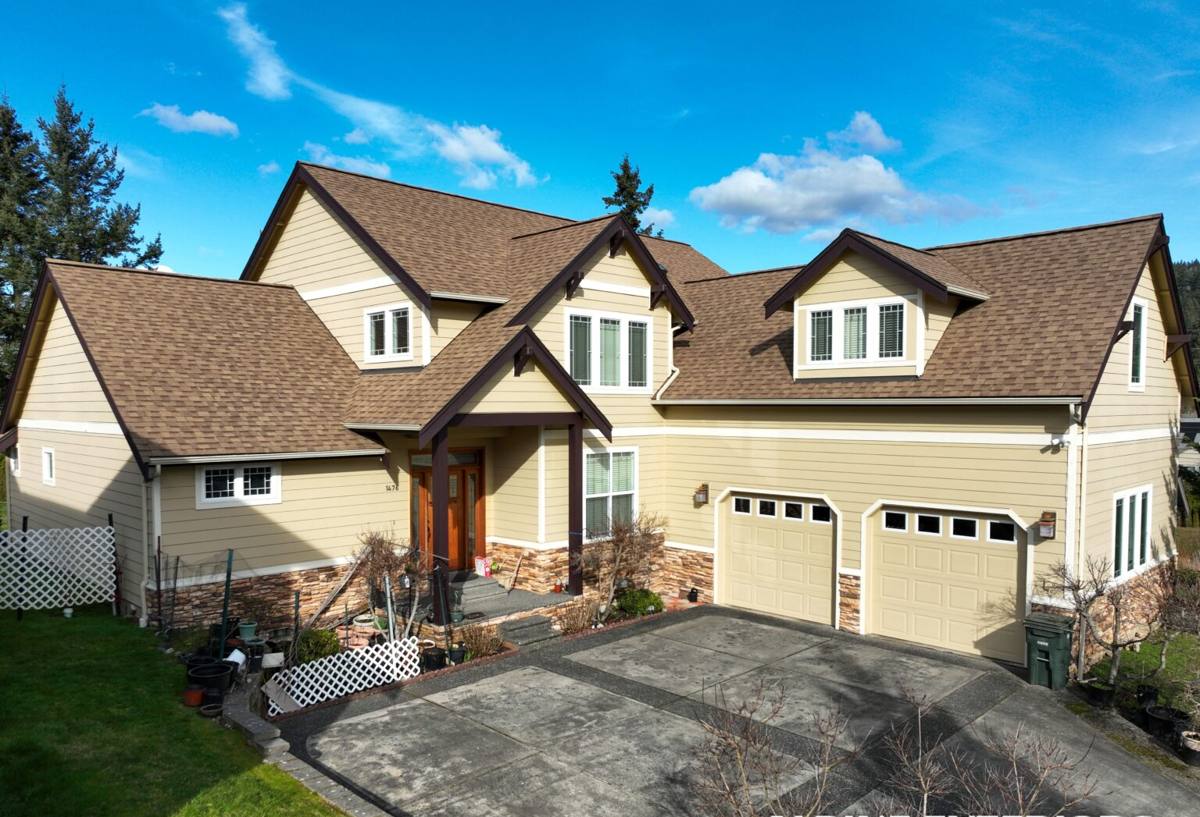
What This Climate Does to a Deck
Before talking materials or process, it helps to understand the specific stresses a Bradenton deck is under, because every decision below traces back to one of these:
- Sun and UV: Nearly year-round direct sun breaks down wood fibers, dries out natural oils, and fades or chalks lower-grade composites and finishes faster than in most of the country.
- Wind-driven rain: Storms here don't just drop rain, they drive it sideways and up under boards, into fastener holes, and against ledger connections — areas that stay dry in calmer climates.
- Salt air: Being close to the coast means airborne salt settles on everything, including metal hardware, accelerating corrosion even on framing that never gets rained on directly.
- Wind load: Structural connections — how the deck ties to the house and how the posts anchor to footings — need to handle real uplift and lateral forces, not just support foot traffic.
- Humidity and moisture cycling: Frequent wet-dry cycling causes wood movement, cupping, and speeds up rot at end grain and fastener penetrations if the wrong materials or details are used.
A deck that ignores any one of these usually shows it within a few years — soft spots near the ledger, rusted-out screw heads bleeding rust stains, boards that have cupped or split, or railing posts that have gone spongy at the base.
Choosing a Decking Material for the Gulf Coast
There's no single "best" decking material for every homeowner — it depends on budget, maintenance tolerance, and how the deck will be used. Here's how the common options actually perform under Bradenton conditions:
| Material | How It Handles This Climate | Maintenance | Typical Lifespan Here |
|---|---|---|---|
| Pressure-treated wood | Affordable and strong, but UV and moisture cycling cause checking, splintering, and warping without upkeep | Sealing every 1-2 years | 10-15 years |
| Tropical hardwood | Naturally dense and rot-resistant, holds up well to humidity, but still needs UV protection to keep its color | Oiling annually | 20-25+ years |
| Capped composite | Strong UV and moisture resistance, good fit for salt air since it doesn't absorb water or corrode | Occasional washing | 25-30 years |
| Uncapped composite | Older-generation composites can absorb moisture at cut ends and fade unevenly in constant sun | Regular cleaning, sealing cut ends | 15-20 years |
| PVC decking | Fully synthetic, doesn't rot or corrode, handles UV and salt air well; can run hotter underfoot in direct sun | Minimal | 25-30+ years |
Our general standard is to steer homeowners toward capped composite or PVC for anything exposed to full sun or close to the water, simply because the maintenance burden of wood in this climate is real and ongoing. That said, a well-maintained hardwood deck can still be a great choice for someone who wants a natural look and is willing to stay on top of oiling. We'll walk through the honest trade-offs for your specific spot rather than push one product line.
Board Profile and Ventilation
Grooved-edge boards with hidden fastener clips look clean and avoid the rust streaks that face-screws eventually cause, but they need enough airflow underneath to dry out after wind-driven rain. In shaded or low-clearance areas, a solid board with poor drainage can trap moisture longer than an open, well-ventilated design — so board choice and substructure spacing get planned together, not separately.
Framing: The Part You Don't See but Matters Most
Decking gets all the attention, but the framing underneath is what actually determines whether a deck survives a storm season. In Bradenton, framing decisions we take seriously include:
Ledger Attachment
Where the deck ties into the house is the single most common failure point on older decks — water gets behind an improperly flashed ledger board and rots the rim joist it's bolted to. Correct flashing and through-bolting (not just lag screws) at this connection is non-negotiable in a climate with this much wind-driven rain.
Footings and Post Connections
Footings need to be sized and set to local frost-free, load-bearing standards, with post bases that keep wood off standing water and metal connectors rated for the wind exposure category of the area. Hurricane ties and proper uplift connectors at the ledger and posts are what keep a deck attached to the house during high wind, rather than becoming a hazard.
Joist Spacing and Material
Tighter joist spacing than the minimum code allows adds stiffness and reduces bounce, and it gives composite and PVC decking better support against sagging over time. We also treat all cut ends of pressure-treated framing lumber, since factory treatment doesn't penetrate a fresh cut.
Fasteners and Hardware: Where Salt Air Wins If You Let It
Standard galvanized hardware is fine in a lot of the country. On the coast, it's often the first thing to fail. We use stainless steel or coated fasteners rated for coastal/ICC exposure, along with corrosion-resistant structural connectors, for every deck we build near the water. It costs more up front than mismatched hardware, but replacing rusted-out screws and streaked joists a few years in costs more in the long run — both in dollars and in the look of the deck.
Permits and Local Requirements
Decks attached to a home in Manatee and Sarasota County generally require a building permit, an engineered or code-compliant framing plan, and inspection at key stages such as footings and framing before decking goes down. Requirements vary by jurisdiction, lot setbacks, and whether the deck is attached or freestanding, so we handle the permit process and coordinate inspections as part of the job rather than leaving it to the homeowner to sort out.
Our Deck Building Process
- On-site assessment: We look at sun exposure, drainage, proximity to the water, and how the deck will connect to the existing structure.
- Material and layout discussion: We go over decking options, railing style, and layout based on your budget and how you'll use the space.
- Permitting and engineering: We prepare and submit the plans your jurisdiction requires and schedule inspections.
- Demolition (if replacing an existing deck): Old structure is removed and the ledger and rim joist are checked for hidden rot before rebuilding.
- Framing: Footings, posts, beams, and joists go in per the engineered plan, with coastal-rated hardware throughout.
- Decking and railing installation: Boards, fascia, and railing are installed with attention to fastener pattern and drainage.
- Final inspection and walkthrough: We confirm the deck passes inspection and walk you through care and maintenance specific to your material.
Maintaining a Deck in Bradenton's Climate
Even low-maintenance materials benefit from a little seasonal attention here:
- Rinse salt residue and debris off the deck surface periodically, especially after storms.
- Check railing posts and stair stringers for movement or soft spots once a year.
- Keep gutters and downspouts clear so runoff isn't dumping extra water onto or under the deck.
- For wood decking, re-seal or re-oil on the schedule the product calls for — skipping a cycle in this sun adds up fast.
- Watch for gaps opening up around the ledger flashing, which can signal water intrusion starting.
Why a Crew That Already Works Bradenton Makes a Difference
A contractor who mostly builds decks inland or up north may default to specs that are fine there but undersized for Gulf Coast wind and salt exposure — standard hardware instead of coastal-rated, minimum-code footings instead of a margin of safety, or decking picked on looks alone. A crew that regularly builds and repairs decks around Bradenton and the greater Sarasota area has already seen which details fail here and builds past the minimum for that reason. We're also familiar with the local permitting process and inspection expectations, which keeps the project moving instead of stalling on paperwork.
If you're planning a new deck or replacing one that's showing its age, we're happy to come take a look and give you a straightforward, no-pressure estimate. Fill out the form below and we'll get in touch.