 Sarasota Siding
 Roof Replacement Built for Southside Village's Climate
Southside Village sits in one of Sarasota's older, established residential pockets, close enough to the bay that salt air is a constant factor and mature tree canopy shades many of the roofs in the neighborhood. That combination is a mixed blessing. The shade can ease afternoon heat load on a roof, but it also means more organic debris, more moisture sitting on shingles after a storm, and more granular wear from branches and grit. Add in the standard Sarasota County forecast — hurricane-force wind gusts during the season, sun exposure that runs close to year-round, and wind-driven rain that finds every weak seam — and a roof here is working harder than most homeowners realize.
A roof replacement in this neighborhood isn't just about swapping old shingles for new ones. It's about matching the assembly — decking, underlayment, flashing, ventilation, and the field material itself — to what this specific climate throws at a home over the next 20-plus years. That's the standard we hold every Southside Village roof replacement to.
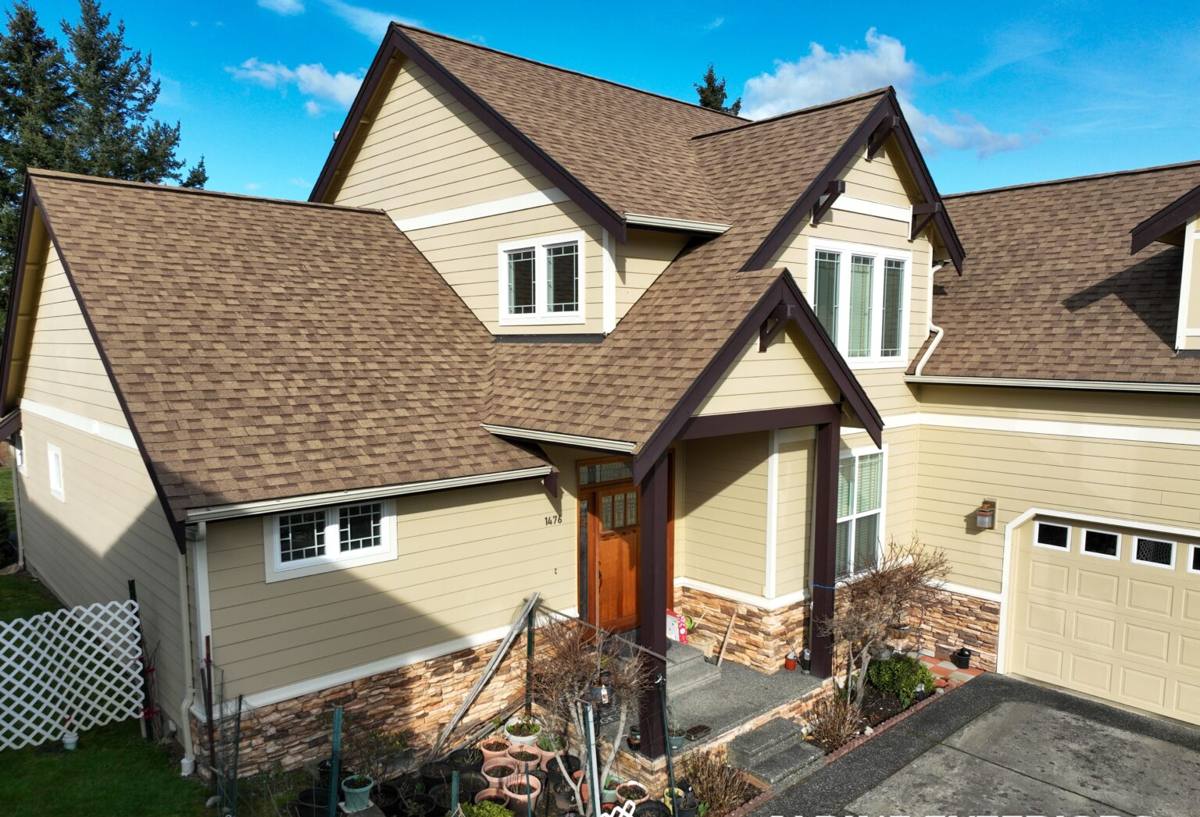
Signs a Southside Village Roof Needs Replacing, Not Patching
Florida roofs rarely fail all at once. They fail in stages, and knowing which stage you're in determines whether a repair is honest advice or a stall tactic. Here's what typically signals it's time to stop patching and start planning a full replacement:
- Granule loss heavy enough that you're finding grit in gutters and at downspout exits after every rain
- Shingles that are cupping, curling at the edges, or cracking in multiple, unrelated areas of the roof
- Soft spots or sagging when walked, which usually means decking underneath has taken on moisture
- Repeated flashing leaks around chimneys, skylights, or wall-to-roof transitions despite prior repairs
- A roof nearing or past the manufacturer's expected service life for this climate, even if it "looks fine" from the ground
- Visible daylight or water staining in the attic, especially near valleys or penetrations
Any one of these on its own might still be repairable. Two or three together, on a roof that's already carrying age, usually means the underlying materials are past the point where patching is the honest recommendation.
What a Correct Roof Replacement Actually Involves
Tear-off and Deck Inspection
A proper replacement starts with a full tear-off down to the decking, not an overlay on top of existing material. That's the only way to actually see the plywood or OSB underneath, replace any panels that have delaminated or soaked through, and re-nail decking to current code where it's come loose over the years — a step that matters a lot when wind uplift is the primary threat to a roof system, not the sun.
Underlayment
In a coastal, storm-prone county, underlayment is not a formality. A synthetic or self-adhering underlayment provides the roof's real secondary line of defense if the field material is ever compromised during a storm — which is exactly the scenario that matters most here.
Flashing and Penetrations
Chimneys, vent stacks, skylights, and wall transitions are where the overwhelming majority of roof leaks originate — not the open field of shingles. New step flashing, counter-flashing, and properly sealed penetrations are non-negotiable parts of a correct replacement, not upsells.
Ventilation
Attic ventilation affects shingle temperature, moisture buildup, and energy costs. A roof replacement is the right time to verify intake and exhaust ventilation are balanced, especially under the kind of tree canopy common in Southside Village, where trapped humidity can be a bigger issue than direct sun.
Wind Rating and Fastening
Fastening schedule and shingle wind rating should match Florida Building Code requirements for this wind zone, not the manufacturer's minimum. This is also the step tied most directly to wind mitigation credits on your homeowner's insurance.
Roofing Material Options for Southside Village Homes
There's no single "correct" material for every home in the neighborhood — roof pitch, budget, HOA or architectural guidelines, and how long you plan to stay in the home all factor in. Here's an honest comparison of the options we install most often in this area:
| Material | Typical Lifespan | Wind Performance | Relative Upfront Cost | Best Fit |
|---|---|---|---|---|
| Architectural asphalt shingle | 20–30 years | Good, with high-wind-rated products and proper fastening | Lowest | Most Southside Village homes; strong value and wide style/color range |
| Standing seam metal | 40–50+ years | Excellent when properly installed | Highest | Owners planning to stay long-term or prioritizing storm performance and longevity |
| Concrete or clay tile | 40–50+ years | Very good, but individual tiles can be dislodged in extreme wind if fastening degrades | High | Homes where tile is already the architectural style or HOA-specified |
Whatever material you choose, the installation quality matters more than the brand name on the wrapper. A premium shingle installed with a weak fastening schedule will underperform a mid-tier shingle installed correctly.
Our Roof Replacement Process
- On-site inspection and honest assessment — we look at the whole system: decking, flashing, ventilation, and the field material, and tell you plainly whether replacement or repair is the right call.
- Written estimate — clear scope, material selection, and pricing before any work starts, with no vague allowances.
- Permitting — we pull the required Sarasota County permit and schedule the associated inspections; this isn't optional and it isn't a step we skip to save time.
- Tear-off and deck repair — full removal of old material, decking inspected and replaced where needed, debris contained and hauled off daily.
- Underlayment, flashing, and ventilation — installed to code and to the manufacturer's specification for the wind zone.
- Field material installation — installed with the fastening pattern and wind rating your home's exposure calls for.
- Final walkthrough and inspection — county inspection sign-off, plus our own walkthrough with you before we consider the job finished.
Permits, Wind Mitigation, and Insurance in Sarasota County
Roof replacements in Sarasota County require a permit, and the work has to be inspected before it's closed out. Skipping this step — or hiring a crew that does — leaves you exposed if there's ever a dispute with insurance after a storm, since an unpermitted roof can complicate a claim regardless of how well the work was actually done.
A new roof is also the natural time to update your wind mitigation inspection. Insurers in Florida offer premium credits for verified features like roof shape, deck attachment method, roof-to-wall connections, and secondary water resistance — all things that get documented, and often improved, during a proper replacement. It's worth asking your contractor to walk you through what will change on that form once the new roof is in.
Why Hiring a Crew That Already Works Southside Village Matters
Roofing code, wind zone requirements, and permitting steps aren't identical from one Florida county to the next, and they're not identical from one neighborhood's housing stock to another. A crew that regularly works in Sarasota and specifically in established neighborhoods like Southside Village already knows the mix of roof ages, pitches, and construction styles common here, knows what the county inspectors look for, and isn't learning the permitting process on your project's timeline.
There's also a practical scheduling advantage. Contractors who already have a presence in the neighborhood can often get eyes on your roof faster, source materials suited to local wind and moisture conditions without guesswork, and stand behind the work because they're not disappearing to the next county the week after your job wraps.
Before You Sign: A Practical Checklist
Roof replacement is one of the larger investments a homeowner makes in their property, and it's also one of the easier trades for a bad actor to operate in, especially after storms. Before you sign anything, confirm the basics:
- Contractor holds an active Florida roofing license — verify it directly, don't just take their word for it
- General liability and workers' compensation insurance, with certificates available on request
- The estimate specifies the exact shingle or material line, underlayment type, and flashing approach — not just "new roof"
- The contractor is pulling the permit in their name, not asking you to pull an owner-builder permit
- A written workmanship warranty separate from the manufacturer's material warranty
- A physical local address and a track record you can check, not just a phone number and a truck
- No requirement for full payment before work begins
If a bid comes in well below everyone else's, ask specifically what's being left out — underlayment quality, flashing scope, and decking replacement allowances are the usual places corners get cut.
Get a Free, No-Pressure Estimate
If your Southside Village roof is showing its age, dealing with storm damage, or you're just trying to plan ahead before the next hurricane season, we're happy to take a look and give you a straight answer — whether that's a full replacement or something less. Use the form below to request a free estimate; there's no obligation and no pressure.