 Sarasota Siding
 What Bradenton's Climate Does to Siding
Bradenton sits close enough to the Gulf and Sarasota Bay that salt air is a constant factor on exterior surfaces, and the broader Sarasota County climate adds year-round UV exposure, wind-driven rain, and the real possibility of hurricane-force winds during the season. None of that is unique to any one street or subdivision — it's the baseline every home in this area deals with, and it's why siding here ages differently than siding in a drier, inland climate.
Salt air accelerates corrosion on fasteners and metal trim. UV breaks down caulks, sealants, and paint films faster than most homeowners expect. Wind-driven rain finds any gap in flashing or caulk and pushes water sideways, not down, which means it can get behind siding that looks fine from the ground. And when a named storm rolls through, even a well-installed siding system can take impact damage from debris or wind uplift at the edges. Repair work in Bradenton has to account for all of this, not just patch what's visibly broken.
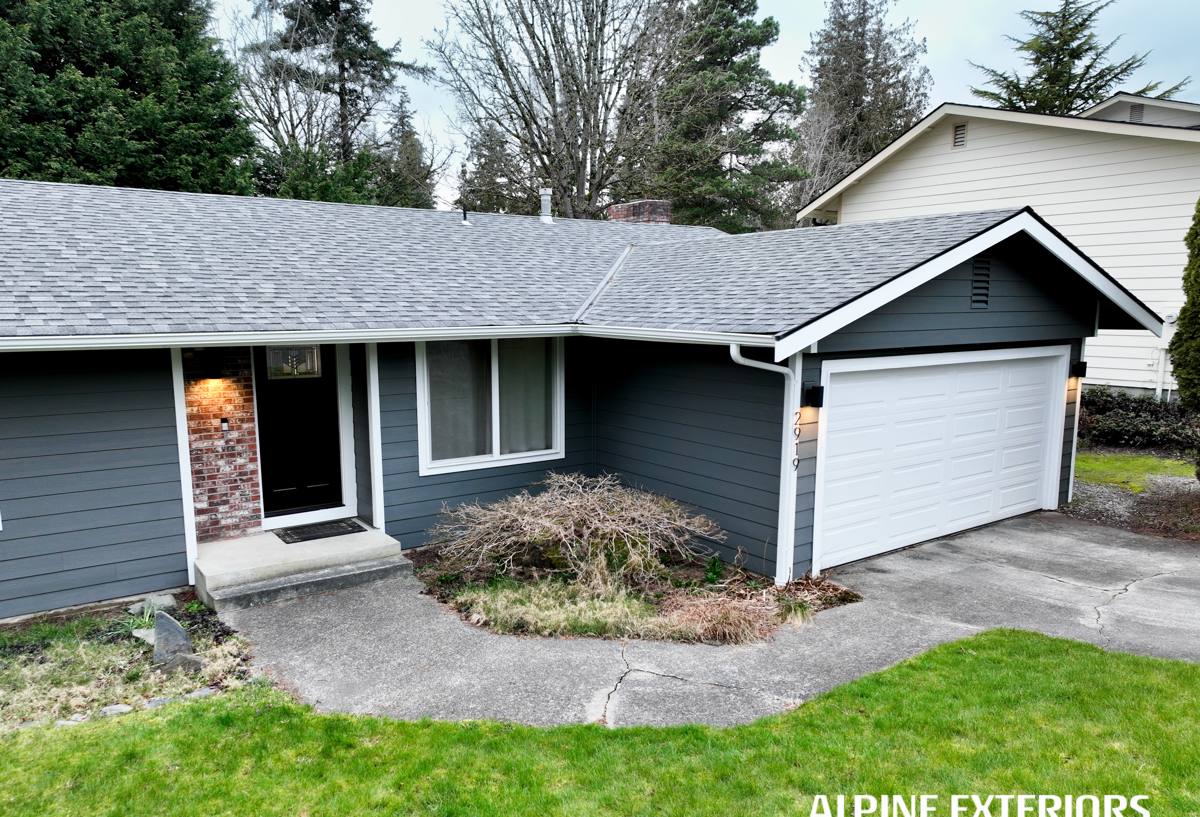
Signs Your Bradenton Home Needs Siding Repair
Some damage is obvious. Other damage hides until it's expensive. A homeowner walking the perimeter of the house after a storm, or just doing a seasonal check, should look for:
- Cracked, split, or chipped panels, especially near corners and window trim
- Soft or spongy spots when you press on the siding (a sign of moisture damage underneath)
- Visible gaps at seams, butt joints, or where siding meets trim, doors, and windows
- Peeling or bubbling paint, which often points to trapped moisture rather than just old paint
- Staining or discoloration streaking down from a seam or fastener
- Loose or missing pieces after high wind, even if the rest of the wall looks untouched
- Warping, buckling, or panels that no longer sit flush against the wall
Storm Damage vs. Ordinary Wear
Storm damage tends to be localized and sudden — a section of siding torn loose by wind, an impact mark from flying debris, or flashing pulled away at a corner. Ordinary wear shows up more gradually: fading, chalking, small hairline cracks, or caulk that's shrunk and pulled away from a joint. Both matter. Wear-related gaps are often how water eventually gets behind the siding and turns a repair into a bigger project, so they shouldn't be ignored just because they look minor.
What a Correct Siding Repair Actually Involves
A repair that's done right is not just "replace the broken piece and caulk the edges." It starts with figuring out why that section failed in the first place, because in a humid, storm-exposed climate like this one, visible damage is frequently a symptom of a moisture or flashing problem, not the root cause.
Checking for Hidden Moisture Damage
Before any new siding goes on, the area around the damage needs to be checked for water intrusion into the wall assembly — soft sheathing, damaged house wrap, or rot in framing behind the siding. Installing a new panel over an unresolved moisture problem just hides it again until it resurfaces, usually worse. This step is easy to skip and it's the single biggest difference between a quick patch and an actual repair.
Matching the Existing Siding
Fiber cement siding is manufactured with specific profiles, textures, and factory-applied color finishes. A repair that doesn't match the existing plank width, reveal, or finish will be visible from the street, even if the workmanship underneath is solid. On a home with James Hardie siding, matching the correct HZ5 product line and ColorPlus finish (or coordinating a proper field-paint match if the color has been discontinued) is part of doing the job right — not an afterthought.
Flashing and Fastening
Repairs also need to reestablish correct flashing at seams, windows, and penetrations, and use fasteners rated for the coastal environment. Reusing damaged flashing or fastening with whatever is on hand is how a repair fails again within a year or two, especially in a wind-driven-rain climate.
Repair vs. Replacement: How We Decide
Not every damaged section needs a full re-side, and not every home is a good candidate for a spot repair. The right call depends on the extent of the damage, the age and condition of the rest of the siding, and whether the underlying wall assembly is sound. Here's generally how that decision plays out:
| Factor | Repair Is Usually Enough | Replacement Should Be Considered |
|---|---|---|
| Extent of damage | Isolated to one or a few panels/sections | Spread across multiple walls or elevations |
| Age of existing siding | Relatively recent, still within expected service life | Original siding is decades old or already failing elsewhere |
| Moisture findings | Sheathing and framing test dry once opened up | Rot or sustained water intrusion found behind siding |
| Color/profile match | Current product or a close factory match is still available | Discontinued profile with no reasonable match |
| Cause of damage | One-time impact or storm event | Recurring failure pattern (chronic leaks, repeated cracking) |
We'll always tell a homeowner honestly which side of that table their home falls on. There's no benefit to us in recommending a full replacement when a targeted repair will genuinely hold up.
Why We Repair and Install Only James Hardie Fiber Cement
We made the decision years ago to work exclusively with James Hardie fiber cement siding, and we don't install or patch jobs with vinyl, LP SmartSide, Cemplank, Allura, or primed wood species like spruce or cedar. That's a standard we hold ourselves to, not a knock on every homeowner who has one of those products already on their home — but when it comes to what we put on a house, or what we use to repair one, fiber cement from Hardie is what we trust in this climate.
Non-Combustible and Climate-Engineered
Hardie fiber cement is non-combustible, resists cracking and warping far better than wood-based products, and their HZ5 product line is specifically engineered for humid, high-moisture climates like coastal Florida. That matters in Bradenton, where UV, humidity, and salt air work on siding year-round, not just during storm season.
What This Means for a Repair
Because fiber cement doesn't absorb and swell with moisture the way engineered wood siding can, a properly repaired section holds its shape and finish over time rather than becoming the next weak point on the wall. The ColorPlus factory finish also resists fading better than field-applied paint, which keeps a repaired section blending in longer instead of showing a visible seam a year later.
Our Repair Process for Bradenton Homeowners
- On-site inspection. We look at the damaged area and the surrounding siding, not just the obvious problem spot, to catch related issues before they're covered up.
- Moisture and structural check. Where damage suggests possible water intrusion, we open up the area enough to check sheathing and framing condition.
- Honest scope and estimate. We explain what we found, whether repair or a larger scope makes sense, and what it will cost — in writing, before work starts.
- Correct material match. We source the matching Hardie profile and finish, or the closest available match, and confirm it with the homeowner before installing.
- Repair and reseal. Damaged sections are replaced, flashing and fastening are corrected where needed, and joints are properly sealed for wind-driven rain.
- Final walk-through. We review the completed repair with the homeowner so there are no surprises.
Why Hiring a Crew That Already Works Bradenton Matters
Siding repair in this part of Sarasota County isn't the same job as siding repair in a landlocked climate. A crew that regularly works Bradenton and the surrounding area already understands how salt exposure affects fastener choice, how local wind-driven storms tend to damage siding at corners and edges, and what moisture patterns to expect behind a wall in a humid coastal environment. That experience shows up in fewer callbacks and repairs that actually last through the next storm season, instead of resurfacing the same problem a year later.
It also matters for something more practical: response time. When storm damage hits a home, having a local contractor who can get out to assess the damage and start the repair process quickly — rather than waiting on a crew that has to travel in from outside the area — makes a real difference in preventing a small problem from turning into a bigger one.
Maintaining Your Siding After a Repair
A good repair extends the life of your siding, but it doesn't eliminate the need for basic upkeep in this climate. A few habits go a long way:
- Rinse salt residue and dust off exterior walls periodically, especially on sides facing the water or prevailing wind
- Walk the exterior after any significant storm and look for new gaps, cracks, or loose sections
- Keep an eye on caulking at trim, windows, and joints, and have it renewed before it fails, not after
- Trim vegetation back from siding to reduce moisture retention and physical wear
- Address small issues promptly rather than waiting for them to spread
If you're noticing damage, soft spots, or gaps on your Bradenton home's siding, we're happy to take a look and give you an honest read on what it needs. Reach out for a free, no-pressure estimate using the form below.