 Sarasota Siding
 Why Southside Village Homes Need a Different Approach to Windows
Southside Village sits close enough to Sarasota Bay and the Gulf that every window on a house is doing double duty. It has to hold up to salt-laden air, block a punishing amount of direct sun for most of the year, and survive whatever a tropical storm or hurricane season throws at it. At the same time, it has to keep the air conditioner from running nonstop, because in Sarasota County that AC bill is often the single biggest utility expense a household has. A window that only does one of those jobs well isn't doing its job.
Many homes in this part of Sarasota are older, established properties, and a lot of them still have original or first-generation replacement windows that were never rated for today's energy codes or wind requirements. Upgrading those windows is one of the highest-return improvements a homeowner here can make — for comfort, for the power bill, and for how the house performs the next time a storm rolls through.
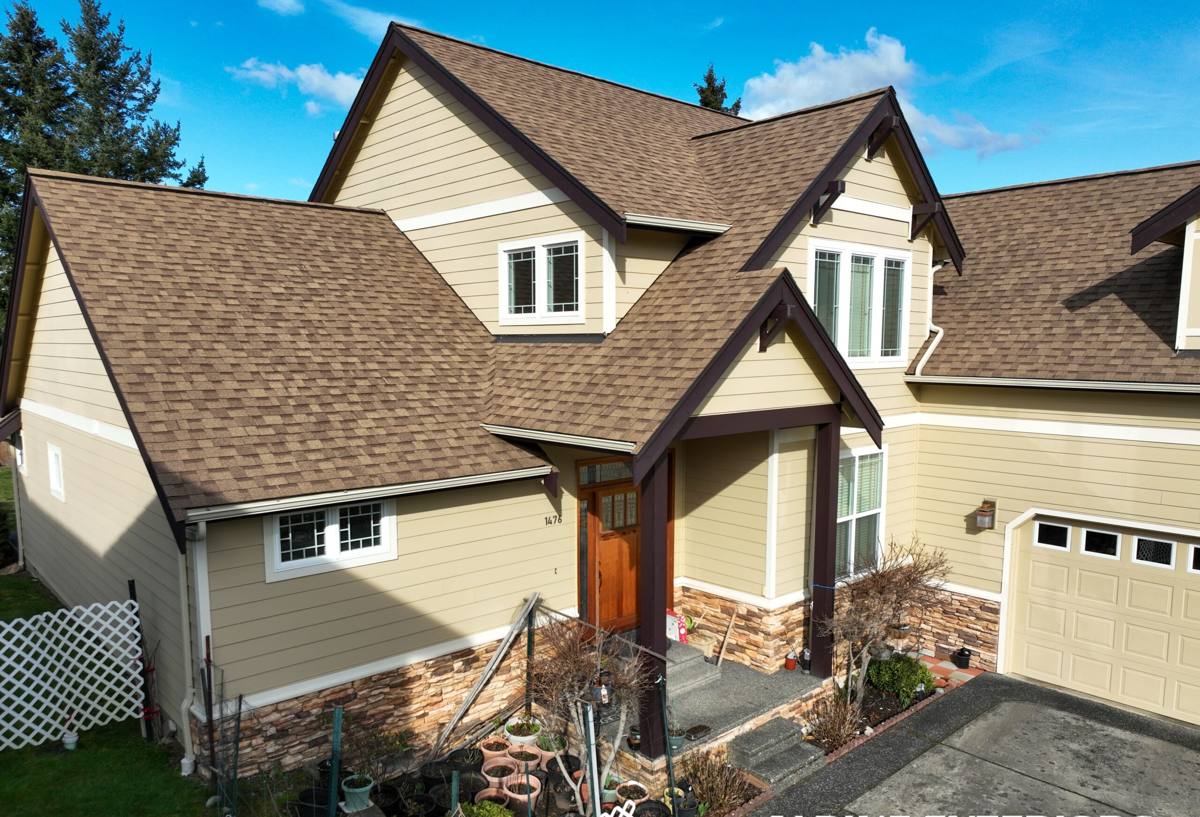
What "Energy-Efficient" Actually Means in a Climate Like This
Energy-efficient windows aren't just about double panes of glass. In a hot, humid, sun-heavy market like Sarasota, efficiency comes down to a handful of measurable properties working together:
- Low-E coatings — a microscopically thin metallic layer on the glass that reflects infrared heat back outside while still letting visible light through, which matters enormously given the year-round UV load here.
- U-Factor — how well the window resists heat transfer overall. Lower is better for keeping conditioned air inside.
- Solar Heat Gain Coefficient (SHGC) — how much solar heat passes through the glass. In Southside Village, a lower SHGC is almost always the right call, since the goal is blocking heat, not collecting it.
- Frame material and construction — the frame is often the weak point for both energy loss and moisture intrusion, especially in coastal air.
- Insulated glazing and gas fill — argon or krypton gas between panes slows heat transfer further and adds a bit of extra sound dampening, which homeowners near busier streets appreciate.
A window package tuned for this region looks different than one built for a dry, mild climate. We spec glass and frames specifically for Gulf Coast sun exposure and humidity, not a generic national average.
Energy-Efficient vs. Impact-Rated — They're Not the Same Thing
This is where a lot of homeowners get confused, and it's worth being straight about it: energy efficiency and hurricane impact resistance are two separate ratings. A window can be highly energy-efficient without being impact-rated, and vice versa. Because Sarasota County sits in a wind-borne debris region, most replacement windows here should carry both — efficient glass performance and a wind/impact rating appropriate for the home's exposure. We'll walk through what your specific house needs based on its location, height, and existing protection (like shutters), rather than assuming one-size-fits-all.
Signs Your Current Windows Are Costing You Money
Homeowners often don't realize how much an old window is working against them until they see it laid out. Some of the more common signs we see on service calls in this neighborhood:
- Rooms near west- or south-facing windows feel noticeably hotter in the afternoon than the rest of the house.
- Condensation or fogging between panes, which means the seal has failed and the insulating gas is gone.
- Visible daylight or a draft around the frame when the window is closed and locked.
- Frames that feel soft, chalky, or show corrosion at the hardware — common with aluminum frames exposed to salt air over many years.
- Difficulty opening, closing, or locking smoothly, which is often a sign the frame or sash has warped.
- Fading furniture, flooring, or artwork near windows from UV exposure passing through old, uncoated glass.
Any one of these is worth a look. Several of them together usually means the windows are past the point where caulk and weatherstripping will fix the problem.
What a Correct Installation Actually Involves
The window unit itself only matters if it's installed correctly — a great window installed poorly will leak, fail early, or lose most of its efficiency benefit. A proper job includes:
Before the Old Window Comes Out
We check the rough opening for water damage, wood rot, or settling before anything is removed. In coastal, humid climates like Sarasota's, it's not unusual to find moisture damage hiding behind an old frame that wasn't caught until the opening was exposed. That gets addressed before a new window ever goes in — installing a new window over a compromised opening just hides the problem.
Flashing and Sealing
Correct flashing and sealant work is what actually keeps wind-driven rain out, and wind-driven rain is a real, recurring event on this coast, not a rare edge case. This is one of the most commonly rushed steps in the trade, and it's the one most likely to cause a callback if it's done wrong.
Fastening and Structural Attachment
Impact-rated and high-wind-rated windows are only as strong as their anchoring. Fastener type, spacing, and embedment into structural framing all have to match the window's engineering and the local wind requirements — not just "close enough."
Interior and Exterior Finish Work
Trim, caulk lines, and paint touch-up should look like the window was always there. We clean up fully before calling a job done.
Frame Material Comparison for Coastal Sarasota Homes
| Frame Material | Energy Performance | Coastal/Salt-Air Durability | Maintenance |
|---|---|---|---|
| Vinyl | Very good insulator; low heat transfer | Doesn't corrode; performs well near salt air | Low — no painting needed |
| Fiberglass | Excellent; very stable, low expansion/contraction | Excellent corrosion resistance | Low to moderate |
| Aluminum | Conducts heat more readily unless thermally broken | Prone to corrosion over time in salt air without proper coatings | Higher — coatings and hardware need attention |
| Wood/Wood-clad | Good natural insulator | Vulnerable to moisture and rot without diligent upkeep | Highest — regular sealing and inspection |
For most Southside Village homes, we lean toward vinyl or fiberglass frames precisely because of what salt air does to less protected materials over years of exposure. We're not opposed to aluminum or wood-clad options — they can work — but we'll be upfront about the added maintenance burden that comes with them in this climate before you commit to one.
Our Process, Start to Finish
- On-site assessment — we look at existing window condition, orientation and sun exposure, and any moisture or structural concerns at each opening.
- Product recommendation — we walk through frame material, glass package, and wind rating options suited to your specific exposure, not a blanket recommendation for the whole neighborhood.
- Written estimate — clear scope, product specs, and pricing before any commitment.
- Permitting — window replacement in Sarasota County typically requires a permit, and we handle that paperwork as part of the job.
- Installation — removal, opening inspection and repair as needed, correct flashing and sealing, structural fastening, and finish work.
- Final walkthrough — we go over each window with you before we consider the job complete.
Cost Factors to Understand Before You Budget
| Factor | How It Affects Cost |
|---|---|
| Frame material | Vinyl is typically the most budget-friendly; fiberglass and wood-clad run higher |
| Impact rating | Impact-rated glass and reinforced frames cost more than standard energy-efficient units |
| Number and size of openings | Larger openings and specialty shapes (arched, oversized) add cost per unit |
| Existing opening condition | Rot or structural repair discovered during removal adds labor beyond the base install |
| Window style | Fixed windows are generally less expensive than operable styles like casements or double-hungs |
We give a written, itemized estimate so you can see exactly what's driving the price — not a single lump number with no explanation behind it.
Why Hiring a Crew That Already Works in Southside Village Matters
A crew that regularly works this part of Sarasota already understands the housing stock here — the mix of older homes and newer construction, common opening sizes and conditions, and what Sarasota County's permitting and inspection process actually requires before a job can close out. That familiarity cuts down on surprises mid-project and means fewer avoidable delays waiting on paperwork or corrections.
It also means we're not guessing about how a product will hold up locally. We see how different frame materials, sealants, and glass packages perform in this specific coastal, high-UV environment over years, not just on a spec sheet. That real-world feedback shapes what we recommend and what we steer you away from.
A Quick Homeowner Checklist
- Get a written estimate that breaks down frame material, glass type, and wind/impact rating separately.
- Confirm the contractor pulls the required permit — this protects you if there's ever an insurance or resale question later.
- Ask what U-Factor and SHGC ratings the proposed windows carry, and whether they're a good fit for your window orientation.
- Check that flashing and sealing methods are explained, not just glossed over.
- Confirm licensing and insurance before any work begins.
- Ask how existing rot or structural issues at the opening will be handled if found.
If your windows are original, aging, or just not keeping up with Sarasota's heat and storm exposure, we're happy to take a look and walk you through honest options for your specific home. Reach out using the form below for a free, no-pressure estimate.