 Sarasota Siding
 Bradenton Sits Right in the Path of Everything the Gulf Coast Throws at a House
Bradenton homes take a beating that inland houses never see. Between hurricane-season wind events, sustained coastal humidity, intense year-round UV, and salt-laden air drifting in off the water, exterior siding here ages differently than it does almost anywhere else in the country. A siding replacement in this area isn't just a cosmetic upgrade — it's a decision about how well your home will hold up against the next decade of storms, sun, and salt.
We work throughout the greater Sarasota-Bradenton area, and the patterns we see on siding failures are consistent: moisture getting behind panels that were never properly flashed, sun-baked finishes that chalked and faded years ahead of schedule, and fastener corrosion from salt air working its way into seams and laps. Replacing siding correctly here means designing for those specific stresses, not just installing whatever product is cheapest or fastest to hang.
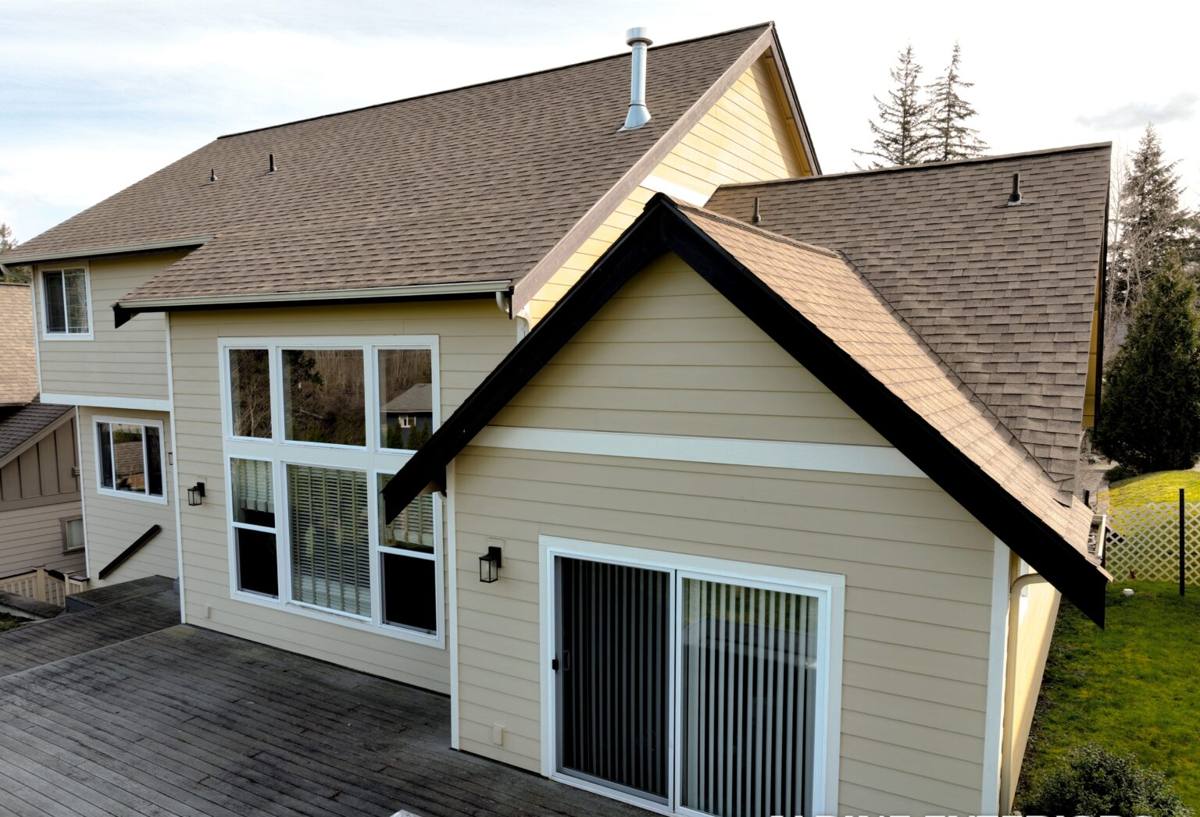
What Bradenton's Climate Actually Does to Siding Over Time
Understanding the failure modes helps explain why the material and installation choices we make matter so much.
Wind-Driven Rain
Bradenton doesn't just get rain — it gets rain pushed sideways by wind, sometimes at hurricane force. That means water is being forced up under laps and into seams that would stay dry in a calmer climate. Siding systems and flashing details that work fine in a low-wind region can fail here within a few storm seasons if they weren't built for wind-driven moisture intrusion.
Constant UV Exposure
Florida's sun is relentless nearly twelve months a year. UV breaks down pigments and surface coatings, which is why so many homes in this area show chalking, fading, or blotchy discoloration on siding that's only five or six years old. Whatever finish sits on top of your siding needs to be engineered to resist UV degradation, not just painted and hoped for the best.
Salt Air and Humidity
Even homes that aren't waterfront pick up salt exposure from Gulf breezes, and that salt accelerates corrosion on fasteners, trim, and any metal components in the wall assembly. Combined with near-constant humidity, this creates ideal conditions for moisture to linger in a wall system that isn't properly ventilated and sealed.
Signs a Bradenton Home Needs Siding Replacement, Not Just a Patch
Not every siding issue calls for a full replacement, but certain signs mean patching is just delaying a bigger, more expensive problem.
- Soft or spongy spots when you press on the siding, especially near the bottom edges or around windows
- Visible warping, buckling, or panels pulling away from the wall
- Persistent staining or dark streaking that keeps coming back after cleaning
- Paint or finish that's chalking heavily or peeling in sheets rather than fading evenly
- Cracked or missing caulking at seams, corners, and trim that's let water track behind the siding
- A musty smell or visible mold/mildew along interior walls that back up to exterior siding
- Rising energy bills that suggest the wall assembly is no longer insulating or sealing properly
If you're seeing more than one of these, it's worth having the siding and the wall assembly behind it inspected before deciding whether repair or full replacement makes sense.
What a Correct Siding Replacement Actually Involves
Siding replacement is often sold as a cosmetic job, but the work that actually protects a Gulf Coast home happens in layers most people never see once the new siding is up.
Tear-Off and Inspection
Every old panel comes off so the sheathing underneath can be inspected for rot, delamination, or hidden moisture damage. In a climate like Bradenton's, it's common to find water intrusion that was never visible from the outside. Skipping this step and installing new siding over compromised sheathing just locks the problem inside the wall.
Moisture Barrier and Flashing
A weather-resistant barrier goes on the sheathing before any siding, and flashing gets installed at every window, door, and penetration point. Given how much wind-driven rain this area sees, flashing details are one of the most common places we find shortcuts on prior installations — and one of the most common causes of hidden rot.
Fastening to Code
Florida's wind-load requirements aren't optional, and coastal Manatee and Sarasota counties often mean specific fastening schedules depending on your home's location and exposure category. Correct fastener type, spacing, and embedment matter as much as the siding product itself when it comes to wind performance.
Finish Work
Trim, corners, and caulking are finished to shed water rather than trap it, and every seam is sealed with materials rated for sustained UV and humidity exposure.
Why We Only Install James Hardie Fiber Cement
We made a decision early on to install James Hardie fiber cement siding exclusively — not vinyl, not LP SmartSide, not primed wood, not other fiber cement brands. That's not a marketing position; it's a response to what we've seen hold up in this climate versus what doesn't.
| Material | How It Handles Bradenton's Climate |
|---|---|
| Vinyl siding | Lightweight and inexpensive, but softens and can warp in extreme heat, and high-wind events can pull weaker panels loose. Color is baked through the material, which helps with fading, but impact resistance is limited. |
| LP SmartSide / primed wood-based products | Engineered wood needs its cut edges sealed meticulously and stays dry to perform well long-term. In a humid, storm-prone coastal environment, any lapse in maintenance or installation sealing shortens its service life considerably. |
| Other fiber cement brands | Fiber cement as a category resists moisture, fire, and pests well. We standardized on James Hardie specifically for its HZ5 climate-engineered formulation, factory-applied ColorPlus finish, and the depth of installation guidance and warranty backing behind the product. |
| James Hardie fiber cement (our standard) | Non-combustible, engineered for high-humidity climates, holds a factory-baked finish that resists UV fading far longer than field-applied paint, and carries a strong transferable warranty when installed to Hardie's specifications. |
None of this means other products can't perform adequately with excellent maintenance. It means we chose to stop gambling on maintenance discipline and installation shortcuts, and instead standardize on the product line best suited to what this climate does to a house year after year.
Our Process, From Estimate to Final Walkthrough
- On-site inspection: We walk the exterior, check for signs of moisture damage, and assess what's driving the need for replacement.
- Written estimate: You get a clear scope of work and pricing before anything is scheduled — no vague allowances.
- Tear-off and sheathing check: Old siding comes off and the wall structure underneath gets inspected before we move forward.
- Weather barrier and flashing installation: Every window, door, and penetration is flashed correctly before siding goes up.
- Hardie siding installation: Panels are fastened to Florida wind-load specifications and manufacturer requirements to keep the warranty intact.
- Trim, caulking, and finish details: All seams and transitions are finished to shed water, not trap it.
- Final walkthrough: We review the completed work with you before calling the job done.
What Affects the Cost of a Siding Replacement in Bradenton
| Factor | Why It Matters |
|---|---|
| Home size and wall complexity | More square footage, corners, gables, and window/door openings mean more material and labor. |
| Condition of the sheathing underneath | Hidden moisture damage found during tear-off can require repair before new siding goes on. |
| Siding profile and trim selection | Lap width, trim style, and accessory choices affect material cost and installation time. |
| Access and site conditions | Tight lot lines, landscaping, or multi-story sections can add labor time. |
| Existing damage requiring remediation | Mold, rot, or pest damage found behind old siding needs to be addressed as part of the job, not after. |
We give real numbers after an on-site look at your home rather than a phone-quote guess, because the sheathing condition alone can swing a project scope significantly.
Why It Matters That We Already Work in Bradenton
A crew that regularly works the Sarasota-Bradenton area already understands the wind-load requirements, permitting expectations, and climate-driven failure points specific to this stretch of the Gulf Coast. That familiarity shows up in the details — the flashing choices, the fastening schedule, the finish work around openings — that determine whether a siding job is still performing well ten or fifteen years from now, or failing quietly behind the walls after the first few hurricane seasons.
Ready to see what siding replacement looks like for your specific home? Reach out for a free, no-pressure estimate — we'll walk the property, answer your questions honestly, and give you a clear picture of the work and cost involved using the form below.