 Sarasota Siding
 Custom Decks Built for Nokomis, Not Just Any Backyard
A deck in Nokomis lives a harder life than the same deck built fifty miles inland. Between the salt air rolling off the Gulf, the wind loads Sarasota County code requires, and sun exposure that runs strong nearly every day of the year, an outdoor structure here gets tested constantly. A custom deck built for this specific stretch of coast needs to account for all of that from the design stage, not as an afterthought once boards start cupping or hardware starts rusting.
This page covers what actually matters when you're adding or replacing a deck in Nokomis: material choices that hold up to salt and UV, framing and fastener decisions that matter more than most homeowners realize, and how permitting and wind requirements shape the build. We'll also walk through our process and what to look for if your current deck is already showing its age.
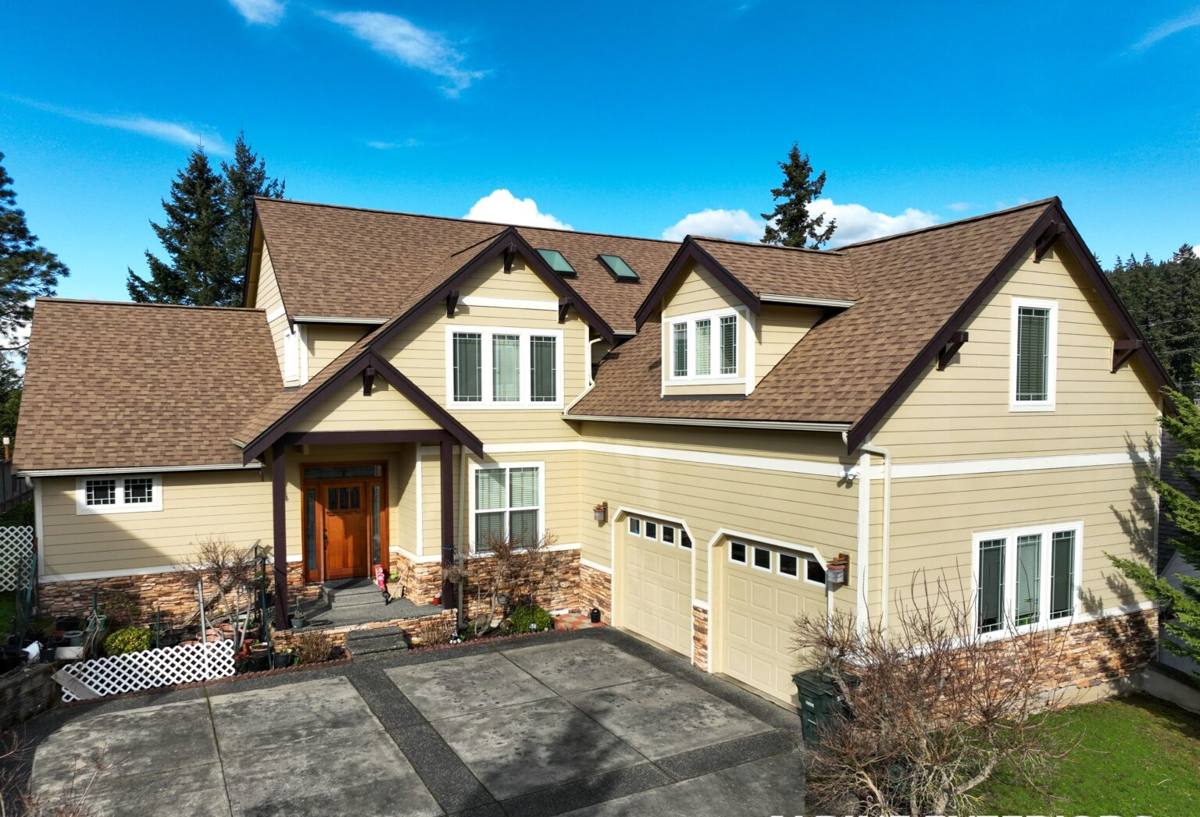
What Nokomis Properties Actually Need From a Deck
Nokomis sits close enough to the coast that salt-laden air is a daily fact of life, whether your home is canal-front, on a barrier island lot, or a few streets inland. Combine that with intense year-round UV and the wind-driven rain that comes with Gulf Coast storms, and you've got three separate forces working against a deck at all times: corrosion, material breakdown from sun exposure, and moisture intrusion at every joint and connection point.
The Three Things We Design Around
- Salt air corrosion — attacks fasteners, joist hangers, and any exposed metal hardware faster than it would inland
- UV exposure — fades and dries out lower-grade composite decking, grays and checks untreated wood, and breaks down cheaper coatings over time
- Wind and wind-driven rain — puts real load on railings, posts, and ledger connections, and pushes water into any gap that isn't properly flashed or sealed
None of these are exotic problems specific to us — they're the same three things every legitimate contractor along this coast has to design around. The difference shows up in whether a crew actually accounts for them or just builds a deck the way they'd build one in a drier, calmer climate and hopes for the best.
Decking Material Options for a Coastal Sarasota County Property
There's no single "best" decking material — there's a best material for your budget, your maintenance appetite, and how exposed your specific lot is to sun and salt. Here's how the common options actually compare in this environment.
| Material | Upfront Cost | Salt/UV Performance | Maintenance | Typical Lifespan |
|---|---|---|---|---|
| Pressure-treated pine | Lowest | Needs sealing to resist moisture and graying; hardware corrosion is the bigger risk | Annual cleaning and periodic re-sealing | 10–15 years with upkeep |
| Composite decking | Mid to upper-mid | Strong UV and moisture resistance; quality varies by product line and color | Periodic washing, no sealing or staining | 25–30 years |
| PVC / capped polymer | Upper-mid to high | Excellent moisture and salt resistance since it has no wood content to absorb water | Low — occasional washing | 25–30+ years |
| Tropical hardwood (e.g., ipe) | Highest | Naturally dense and rot-resistant, but still grays under UV without upkeep | Regular oiling to maintain color and prevent surface checking | 25+ years with maintenance |
For most Nokomis homeowners, the decision comes down to how hands-on they want to be with maintenance versus how much they want to spend up front. We'll walk through the honest trade-offs of each option for your specific deck rather than push whatever has the best margin — a lower-maintenance material is often worth the extra upfront cost for a deck exposed to full sun and salt spray most of the day.
What's Underneath Matters More Than What's On Top
Homeowners naturally focus on the decking surface — the boards they'll walk on and look at. But the framing, connectors, and fasteners underneath are what determine whether that deck is still solid in ten years, and they're also what fails first in a coastal environment if the wrong materials are used.
Framing and Substructure
Pressure-treated lumber rated for ground contact is the standard framing material, and it needs to be paired with hardware designed for that same treated lumber — some older or lower-grade connectors corrode quickly when in direct contact with modern treated wood chemicals, and salt air accelerates that further. Where it makes sense for the design and budget, aluminum or engineered substructure systems are also worth discussing, since they sidestep wood rot entirely.
Fasteners and Hardware
This is where a lot of decks quietly fail years before the decking itself wears out. Standard galvanized screws and joist hangers can start showing rust and pitting well before their expected service life in a salt air environment. Stainless steel fasteners and hardware rated for coastal or marine-grade exposure cost more, but they're one of the cheapest insurance policies on the whole project relative to what it costs to fix a structural connection later.
Wind-Rated Connections
Every ledger board attachment to the house, every post-to-beam connection, and every railing post needs hardware sized and installed to meet Florida Building Code wind load requirements for this area. This isn't optional detailing — it's the difference between a deck that holds up in a bad storm and one that doesn't.
Permits, Wind Load, and Sarasota County Requirements
New decks and most deck replacements in Sarasota County require a building permit, with plans that show framing, footing sizes, connection details, and railing specifications. Depending on your lot's location and elevation, flood zone requirements may also affect footing depth or elevation of the structure — this is worth checking early, before design decisions are locked in, rather than after.
Railing Code Basics
- Guardrails required where the deck surface is more than a specified height above grade (typically 30 inches, per current code)
- Minimum guardrail height of 36 inches for residential decks
- Baluster spacing that prevents a 4-inch sphere from passing through
- Graspable handrails required on stairs with a minimum number of risers
We handle the permit drawings and inspection scheduling as part of the build — you shouldn't have to become a code expert to get a deck built correctly. What matters is working with a crew that pulls permits as a matter of course, not one that suggests skipping that step to save time.
Our Process, Start to Finish
- On-site consultation — we look at your lot, sun exposure, existing structure (if any), and how you actually plan to use the space
- Design and material selection — layout, decking material, railing style, and any features like built-in seating or multi-level design
- Permit drawings and submission — engineered where required, submitted to Sarasota County
- Construction — framing first, with hardware and fastener choices matched to the coastal environment, followed by decking and railing installation
- Inspection — county inspection scheduled at the appropriate build stages
- Final walkthrough — we go over the finished deck with you, including what maintenance it actually needs going forward
We don't rush framing to get to the visible finish work faster. The framing and connection stage is the part that determines how the deck performs in a storm and how long it lasts — it's also the part that's hardest to inspect or fix once decking is installed over it.
Signs an Existing Deck in Nokomis Needs Attention
If you already have a deck and you're weighing repair versus replacement, these are the signs worth taking seriously rather than patching over:
- Soft, spongy spots in the decking surface when you walk on it
- Rust staining around fastener heads or connector plates
- Visible gaps, movement, or wobble where the ledger meets the house
- Railings that flex or feel loose when leaned on
- Wood that's splitting, checking deeply, or staying damp long after rain
- Stair stringers or posts showing rot at ground contact points
Some of these are simple fixes. Others — especially ledger and post-connection issues — are structural and worth an honest assessment before you have guests standing on it.
Maintenance for Salt Air and Constant Sun
Whatever material you choose, a few habits go a long way in this climate. Rinse off salt residue and debris periodically, especially after storms. Keep gutters and drainage clear so water isn't pooling under or against the deck. For wood decking, don't let sealing lapse — UV breaks down protective coatings faster here than in milder climates. For composite and PVC, occasional washing is usually all that's needed, but it's still worth a yearly look at fasteners and railing connections, since hardware is the first thing to show wear even when the decking looks fine.
Why Hire a Crew That Already Works in Nokomis
Building a deck that holds up here isn't about a special trick — it's about not skipping the details that matter in this specific environment: the right fastener grade, wind-rated connections, correct permit and elevation handling, and material choices that account for sun and salt rather than ignoring them. A crew that regularly works Nokomis and the surrounding Sarasota County coastline has already made these decisions dozens of times and knows where corners tend to get cut on lower-bid jobs.
If you're planning a new deck or replacing one that's past its prime, we're happy to take a look and put together a straightforward estimate — no pressure, no inflated scope. Use the form below to get started.