 Sarasota Siding
 Building a Deck That's Actually Built for Ellenton
A deck in Ellenton doesn't live an easy life. It sits outside year-round under a sun that doesn't take a break, gets soaked by afternoon storms all summer, and has to shrug off wind loads that inland decks never have to think about. A deck built to a generic national spec, with generic fasteners and no real plan for our humidity, will show problems within a few seasons — cupped boards, rusted hardware streaks, a railing that's gone spongy at the post base. A deck built for this climate, from the footings up, will still be solid and safe well over a decade later.
This page is about one thing: building a new deck, or rebuilding a failing one, for homes in and around Ellenton. Not a general overview of decks everywhere — the specific decisions that matter here, in this stretch of the greater Sarasota area, where wind, sun, and moisture are the three things every deck has to survive.
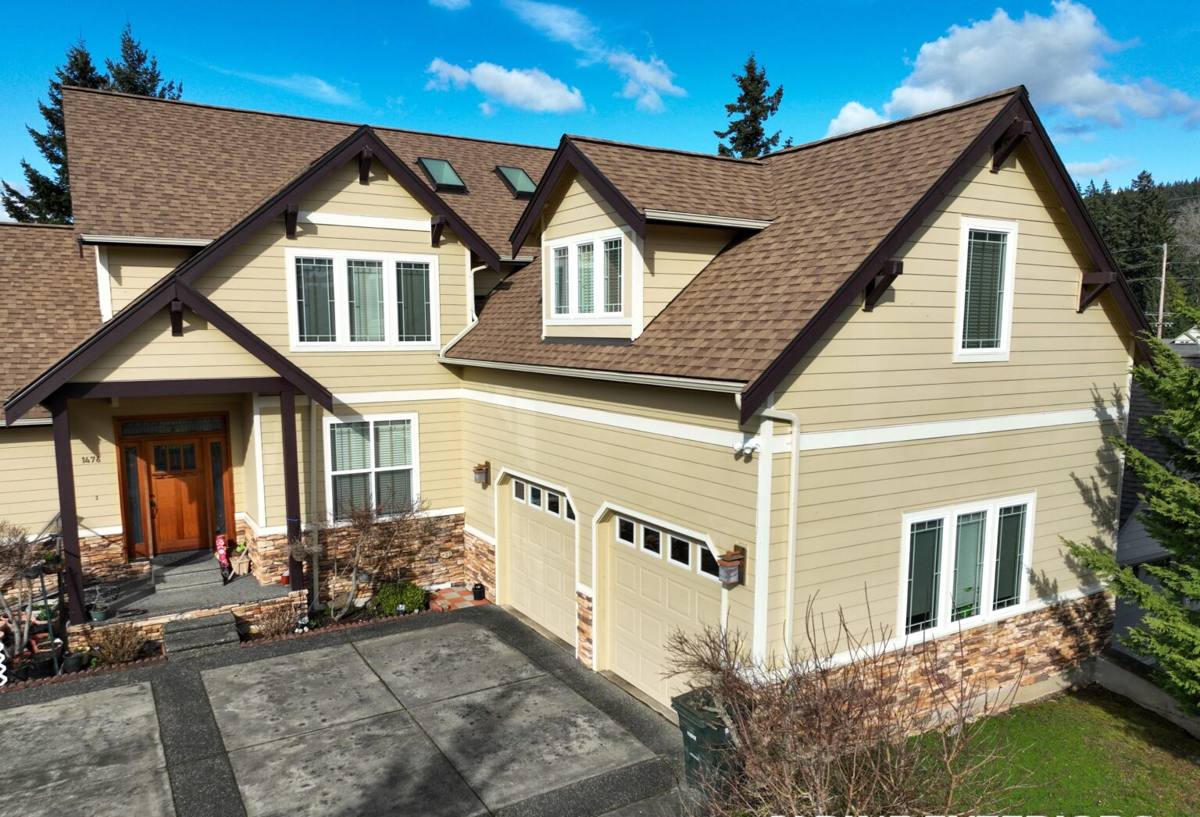
What This Climate Actually Does to a Deck
It helps to be specific about the stresses, because they drive nearly every material and construction decision below.
Sun and UV
Florida gets intense, direct UV exposure nearly every day of the year. On an uncovered or lightly shaded deck, that UV breaks down the surface fibers of wood and the resin binders in some composite products over time, leading to graying, fading, and surface roughness. Dark-colored decking also runs noticeably hotter underfoot in direct sun, which matters if you're picking a color for a west-facing deck.
Wind
This part of Florida is built to a wind-resistant standard for a reason. A deck attached to the house — the ledger board connection especially — has to resist uplift and lateral loads in a storm, not just hold up a barbecue and some patio furniture. Railings, post bases, and the ledger attachment are where a poorly built deck fails first in high wind, because those are the connections doing the real structural work.
Rain and humidity
Frequent, heavy rain plus high ambient humidity means wood framing and decking are almost never fully dry for long stretches for much of the year. Any design that traps water — tight board spacing, poor drainage under the deck, end grain left unsealed — sets up rot and mildew growth faster here than it would in a drier climate.
Salt-influenced air
Even away from the immediate coastline, Gulf-influenced air carries enough salt content to accelerate corrosion on lower-grade metal hardware. Fasteners, joist hangers, and post bases that aren't rated for coastal exposure can start rusting and staining the wood around them well before the deck itself is due for replacement.
Decking Material Options for This Climate
There's no single "best" decking material — there's a best fit for your budget, your maintenance appetite, and how much sun and rain your specific deck location gets. Here's how the common options actually compare for a Florida-exposed deck.
| Material | Upfront Cost | Maintenance | Climate Notes |
|---|---|---|---|
| Pressure-treated pine | Lowest | Re-seal/stain every 1-2 years | Affordable and strong, but needs consistent sealing to resist our humidity and sun; skipping maintenance shortens its life fast |
| Composite decking | Mid-to-high | Periodic cleaning, no sealing/staining | Resists moisture and UV fading much better than untreated wood; quality varies a lot between product lines, so we're selective about what we install |
| Tropical hardwood (e.g., ipe) | High | Occasional oiling to maintain color | Naturally dense and rot-resistant, holds up very well to humidity, but is heavier to work with and less forgiving of installation mistakes |
| PVC decking | High | Lowest — cleaning only | Fully synthetic, doesn't absorb moisture at all; strong choice for shaded, high-humidity spots where wood-based products struggle most |
Whatever decking material a homeowner chooses, we're honest about the trade-offs up front rather than upselling the most expensive option by default. A pressure-treated deck that's maintained on schedule can be a perfectly good, budget-smart choice for the right homeowner.
What We're Careful About With Wood Species
Not every "treated" or "weather-resistant" board sold as decking is actually a good match for constant Florida humidity. Some lower-cost treated lumber is milled and rated for general outdoor use rather than sustained wet-dry cycling. We choose lumber grades and treatment levels based on ground contact exposure and how much sun/shade a given deck will actually see, not just what's cheapest on the rack.
Framing, Fasteners, and Footings — Where Deck Failures Actually Start
Most deck problems people notice — a bouncy section, a wobbly railing, a soft spot near the house — trace back to something in the framing, not the decking boards on top. This is the part of the job that doesn't show, and it's also the part most likely to get shortcut on a low-bid job.
- Ledger board attachment: properly flashed and lag-bolted (never just nailed) into structural framing, with flashing that actually sheds water away from the house band board
- Joist hangers and fasteners: coated or stainless-rated hardware suited to treated lumber and humid, salt-influenced air — mismatched hardware is one of the most common causes of premature rust staining and weakened connections
- Footings: sized and set to local depth and bearing requirements, not just "deep enough to look right" — this is what keeps posts from shifting in saturated soil after heavy rain
- Post-to-beam and beam-to-joist connections: mechanically fastened with rated connectors, not just toe-nailed, since these are the connections wind uplift tests first
- Under-deck drainage: grading and board spacing planned so water moves off and away rather than pooling under the structure
None of this is optional, and none of it is visible once the decking boards go down — which is exactly why it has to be done right the first time.
Permits, Codes, and Railings
New decks and most deck rebuilds in this region require a permit and inspection, and the structural requirements — footing depth, ledger attachment, railing height, baluster spacing — are set by the Florida Building Code with local wind-load provisions layered on top. This isn't paperwork for its own sake: those code minimums exist because of real wind events this state has been through.
We pull permits, build to the inspected structural requirements, and don't cut corners on railing height or baluster spacing to save time — those are the details that matter most for a family with kids or for anyone leaning on a rail during a storm.
Our Deck-Building Process
The process is straightforward, and every step matters for a deck that's meant to last in this climate:
- On-site assessment: we look at sun exposure, drainage, existing structure (for rebuilds), and how the deck ties into the house
- Material and layout discussion: honest trade-offs on decking material, railing style, and layout based on your budget and how you'll actually use the space
- Permit and plan submission: handled on our end, so you're not the one chasing paperwork
- Demolition (rebuilds only): removal of failing structure, with an honest look at what's underneath before we build back
- Framing: footings, posts, beams, joists, and the ledger connection — inspected before decking goes down
- Decking and railing installation: proper fastening and spacing for drainage and expansion
- Final inspection and walkthrough: we go over the finished deck with you, including basic care for whatever material you chose
Keeping a Sarasota-Area Deck in Good Shape
A well-built deck still needs some seasonal attention in this climate. A short, honest maintenance list:
- Sweep debris and standing organic matter off the deck regularly — it holds moisture against the boards and feeds mildew growth
- Rinse pollen, salt residue, and dirt buildup with a garden hose or gentle wash a few times a year
- Check fastener heads and hardware annually for early rust staining, especially on older or budget hardware
- Re-seal or re-stain pressure-treated wood decking on the schedule the product calls for — usually every 1-2 years in full sun
- Confirm under-deck drainage paths stay clear, especially after heavy storm seasons
- Have railings and post connections checked periodically for looseness, particularly after any high-wind event
Why a Crew That Already Works Ellenton Matters
A deck contractor who works this specific area regularly already knows what tends to go wrong locally — which fastener grades hold up, how local soil handles footings after heavy rain, and what the permitting and inspection process actually expects here. That's different from a crew working from a generic national build sheet. We build decks in Ellenton and the surrounding Sarasota-area communities the way we'd want one built on our own house: right the first time, with materials and hardware matched to what this climate actually does to a structure, not just what's cheapest to install.
If you're planning a new deck or need an honest look at one that's starting to show its age, we're happy to come take a look. Reach out for a free, no-pressure estimate using the form below.