 Sarasota Siding
 What a Gulf Gate Estates Deck Has to Stand Up To
Gulf Gate Estates is one of Sarasota's older, established neighborhoods, with a lot of mature tree canopy and a mix of ranch-style and updated homes on modest lots. That combination — shade, humidity, and proximity to the Gulf — creates a specific set of stresses on outdoor structures that a deck built for a drier, cooler climate simply isn't designed to handle. Intense year-round UV breaks down finishes and dries out wood fiber. Wind-driven rain during summer storms and hurricane season doesn't just fall on a deck, it drives sideways into joints, fastener holes, and end grain. Salt air drifting inland from the coast accelerates corrosion on anything metal, even miles from the water. And Sarasota County sits squarely in a wind zone where a deck has to be engineered to resist real hurricane-force loads, not just support foot traffic.
None of that means a deck in Gulf Gate Estates has to be over-built or ugly — it means the material choices, fastener selection, and framing details have to be right the first time. A deck that looks fine going up but was assembled with the wrong hardware or without attention to drainage will show problems within a couple of seasons: soft spots, rust streaks, cupped boards, or a railing that's gone spongy at the posts.
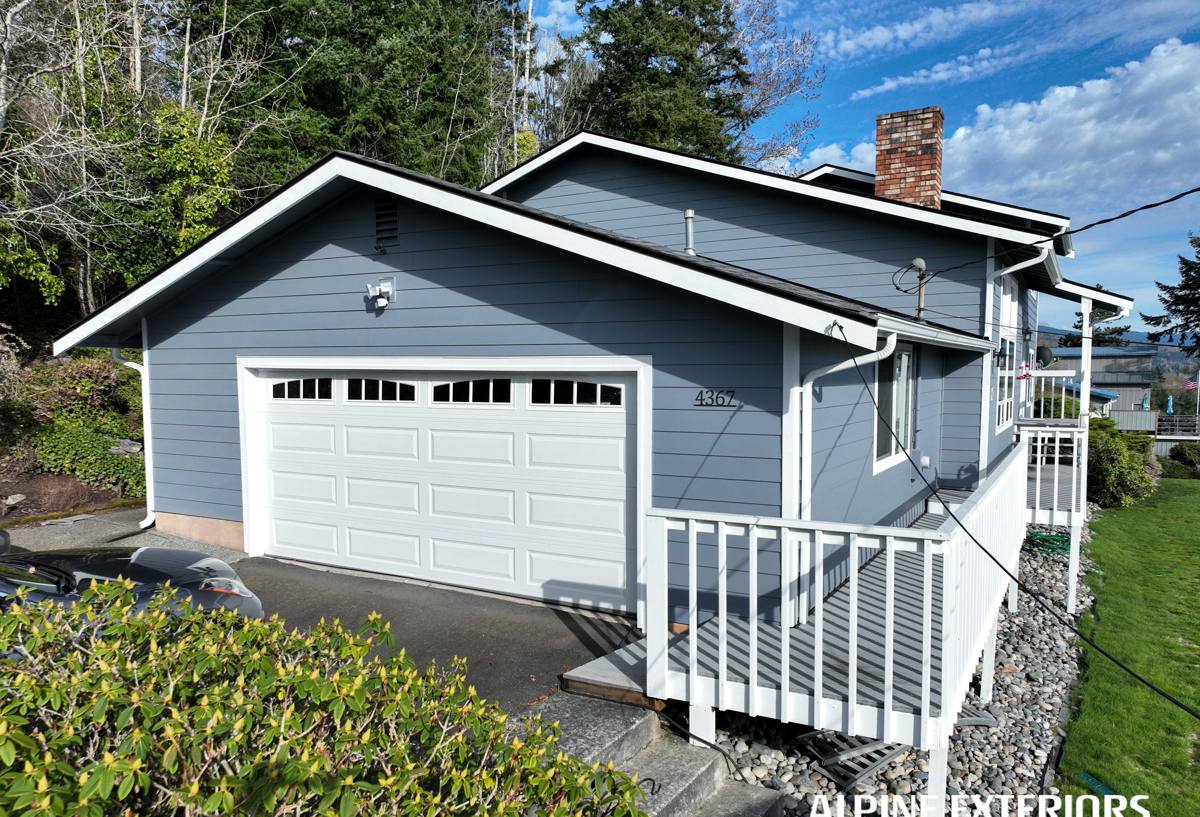
Decking Material Options for This Climate
There's no single "best" decking material — there's a best material for your budget, your sun exposure, and how much upkeep you actually want to do. Here's how the common options hold up under Sarasota conditions specifically.
| Material | How It Handles Sarasota's Sun, Rain & Salt Air | Maintenance | Relative Cost |
|---|---|---|---|
| Pressure-treated pine | Affordable and strong, but UV and humidity cycles it through swelling and shrinking, which loosens fasteners over time | Needs sealing or staining every 1-2 years | Lowest |
| Composite decking | Resists rot and doesn't absorb moisture like wood; quality varies a lot by brand and how it's fastened | Occasional washing, no sealing or staining | Mid to upper-mid |
| Capped composite / PVC | Best resistance to UV fading, moisture, and salt air of the manufactured options; the cap layer is doing the real work | Wash occasionally, no sealing | Higher |
| Tropical hardwood (e.g., ipe) | Naturally dense and rot-resistant, handles humidity well, but is unforgiving if not pre-drilled and fastened correctly | Oiling every 1-2 years to maintain color, or left to weather gray | High |
We'll walk you through the real trade-offs for your project rather than pushing whatever has the best margin. If a homeowner wants pressure-treated lumber for the framing and budget, that's a legitimate choice as long as the fastening and sealing details are handled correctly — the problems show up when those details get skipped, not from the wood itself.
Why We're Careful With Certain Composite Products
Some early-generation composite boards without a full cap layer can absorb moisture at cut ends and fastener holes over years of humid exposure, leading to swelling at the edges. That's a maintenance and installation-sensitivity issue, not a reason to avoid composite decking generally — it's why we seal cut ends, use manufacturer-specified hidden fasteners, and follow the gapping tables for our climate rather than treating every board like it came out of a dry-climate install manual.
The Structure Underneath: Framing, Fasteners, and Footings
The decking boards are what you see. The framing, footings, and fasteners are what actually keep the deck standing through a Florida summer storm season, and it's where a lot of the corner-cutting on cheap deck jobs happens — because nobody sees it until something fails.
- Footings sized and set to local frost-free, sandy-soil conditions and sized for the actual load, not just eyeballed
- Stainless steel or hot-dip galvanized fasteners rated for coastal/salt-air exposure — standard zinc-coated screws corrode faster here than in inland, drier climates
- Joist hangers and structural connectors matched to the fastener material, since mixing metals accelerates corrosion at the connection points
- Beams and ledger attachment engineered for wind uplift, not just downward load — this is the detail that separates a deck that survives a tropical storm from one that doesn't
- Proper flashing at the ledger board where the deck attaches to the house, to keep wind-driven rain from working its way behind the siding
Ledger flashing in particular is one of the most commonly skipped details on lower-end deck jobs, and it's the one most likely to cause hidden water damage to the house itself, not just the deck.
Drainage, Airflow, and Keeping Water Moving
Standing water is the enemy of every deck material eventually, whether it's wood rot, fastener corrosion, or mold growth underneath composite boards. In a climate with heavy seasonal rainfall, drainage isn't optional detailing, it's core to how long the deck lasts.
We build in board spacing appropriate to the material (composite and PVC need different gapping than wood), pitch framing slightly where the design allows for water to shed rather than pool, and keep airflow open underneath the deck so the substructure can dry out between storms instead of staying damp. On lower decks close to grade, we also pay attention to grading and ventilation gaps so humidity doesn't get trapped against the framing.
Wind Resistance and Florida Building Code
Sarasota County enforces the Florida Building Code, which includes wind load requirements tied to the region's hurricane exposure. That affects everything from footing depth to how railings and posts are attached, since a railing system that's just screwed to the rim joist can fail under wind loads that a properly through-bolted system will handle.
We size and connect structural members to meet code wind ratings for this area, not a generic national minimum. This matters most on elevated decks, decks attached to the house, and any deck with a roof or pergola structure over it, since added structure means added wind load that has to be carried down into the footings.
Permits and Inspections We Handle
Most new deck construction and many substantial deck repairs or rebuilds in Sarasota County require a building permit and inspection, particularly for anything attached to the house or elevated above a certain height. Skipping the permit might save time up front, but it creates real problems later — unpermitted structures can complicate a home sale, cause issues with insurance claims after storm damage, and in some cases have to be torn out.
We handle the permit application, coordinate the required inspections, and build to the approved plans, so you end up with a deck that's not just built well but documented as built well. That documentation matters more in Florida than in most states, especially if you ever file a homeowner's insurance claim after a named storm.
How the Project Works, Start to Finish
- On-site assessment — we look at your lot, existing structure (if replacing a deck), sun and drainage patterns, and how you actually plan to use the space
- Material and design walkthrough — honest conversation about decking material, layout, railing style, and budget, including trade-offs for each option in this climate
- Permit drawings and submission — we prepare what Sarasota County requires and handle the application
- Framing and structural work — footings, beams, joists, and ledger flashing done to code, inspected before decking goes down
- Decking, railing, and finish work — boards, railings, stairs, and any lighting or fascia details
- Final walkthrough and inspection sign-off — we confirm everything passes and walk you through basic care for your specific material
Deck Maintenance Checklist for Gulf Gate Estates Homeowners
Whatever material you choose, a little regular attention goes a long way in this climate. Here's what we recommend checking through the year:
- Rinse pollen, salt residue, and debris off the deck surface every few months, more often near the coast
- Check fastener heads and railing connections for looseness or rust staining once or twice a year
- Clear leaves and debris from between boards and around footings so water doesn't pool or trap moisture
- Inspect ledger flashing and the point where the deck meets the house for any signs of water staining
- Re-seal or re-stain wood decking on the schedule appropriate to the product, don't wait until it looks dry and gray
- After any major storm, walk the deck and check posts, railings, and stairs for movement before using it again
Why It Matters to Hire a Crew That Already Works Gulf Gate Estates
A deck contractor who mostly works inland or in a different climate will often default to generic fastener choices, generic gapping, and generic footing depths — details that might be fine somewhere else but leave a deck vulnerable here. Working regularly in Sarasota County means we already know which fastener grades hold up against salt air, what the local permitting office expects on submission, and how to frame for wind loads that are routine here and rare almost everywhere else in the country. That familiarity shows up as fewer surprises during the permit process and a deck that's built for the conditions it will actually face, not conditions from a manufacturer's spec sheet written for a different region.
If you're planning a new deck or need to replace one that hasn't held up to Sarasota's weather, we're happy to come take a look and talk through honest options for your property. Reach out for a free, no-pressure estimate using the form below.