 Sarasota Siding
 Why Siding Takes a Beating in Downtown Sarasota
Downtown Sarasota sits close enough to the Gulf and Sarasota Bay that salt-laden air reaches every exterior wall in the urban core, not just the homes closest to the water. Add in Florida's year-round UV load, the wind-driven rain that comes with almost every summer thunderstorm, and the occasional direct hit from a tropical system, and you have one of the toughest environments in the country for exterior cladding. Siding here isn't just decorative — it's the first line of defense against moisture intrusion, and it has to survive conditions that would degrade lesser materials within a few short years.
Salt air is corrosive to fasteners and hardware, and it accelerates the breakdown of coatings and caulk joints. UV exposure fades pigments and dries out anything with an organic or wood-based component. Wind-driven rain doesn't just fall — it gets pushed sideways and upward under eaves and around openings, which means the water-resistive barrier and flashing details behind the siding matter as much as the siding itself. Any product or installation approach that isn't built for this combination will show it early, usually as fading, swelling, cracking, or moisture damage at the seams.
The Housing Stock We See Working Downtown
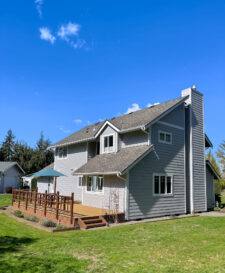
Downtown Sarasota's residential mix is varied — mid-century bungalows and post-war construction sit near newer infill homes and low-rise multi-family buildings, often on the same block. That mix means we're regularly matching siding profiles and reveals to older architectural styles while also handling clean, modern lines on newer builds. It also means a lot of these homes are due, or overdue, for a siding replacement: original wood siding, aging vinyl, or previous fiber cement installations that weren't detailed correctly the first time around.
Working this close to the urban core also means tighter lots, more neighbors to consider during a job, and often stricter attention paid to how a house looks from the street. A siding job downtown has to hold up structurally and look right in a walkable, visible neighborhood — both matter.
Why We Only Install James Hardie Fiber Cement
We made a deliberate decision as a company to install James Hardie fiber cement siding exclusively. We don't install vinyl, LP SmartSide, Cemplank, Allura, or primed wood species like spruce or cedar. That's not a marketing position — it's a standard we hold because of what we've seen these products do, and not do, in a climate like ours.
What that rules out, and why
Vinyl siding is affordable and low-maintenance in mild climates, but it softens and can warp under sustained high heat, and it's a poor performer in higher wind exposure — it relies on the panels staying locked to the wall, and once wind gets behind a panel, the failure can cascade. LP SmartSide and other engineered wood products use a wood-strand core that, if the factory coating is ever breached at a cut edge, fastener hole, or seam, is vulnerable to the moisture and humidity levels we live with year-round. Cedar and primed spruce are natural wood products, and natural wood — no matter how well it's finished — needs ongoing maintenance to resist rot, insects, and UV breakdown in a hot, humid, salt-air environment. Cemplank and Allura are fiber cement competitors to Hardie, and while fiber cement as a category is the right material choice for this climate, we standardized on one manufacturer so we can guarantee consistent product performance, warranty coverage, and installation detailing across every job we do.
James Hardie fiber cement is non-combustible, dimensionally stable, and factory-engineered for climate zones like ours. Its ColorPlus finish is baked on in a controlled factory process rather than field-applied, which gives it better color retention and adhesion under constant UV and salt exposure than a site-painted product. That combination is why it's the only product we put our name behind.
Choosing the Right Hardie Product Line for This Climate
James Hardie engineers its siding by climate zone, and homes in our part of Florida should be specified with the HZ5 product line, which is formulated for high-humidity, high-moisture regions. Within that line, homeowners downtown typically choose between a few panel styles depending on the home's architecture and the look they want to maintain on the street.
| Consideration | What It Means for a Downtown Sarasota Home |
|---|---|
| HZ5 formulation | Engineered moisture and humidity resistance appropriate for the Gulf Coast climate zone |
| ColorPlus factory finish | Baked-on color with stronger fade and adhesion resistance than field-painted siding |
| Lap siding vs. panel/board-and-batten | Lap suits bungalow and traditional streetscapes; panel styles suit more modern infill homes |
| Trim and soffit system | Matched HardieTrim keeps corners, window surrounds, and fascia performing and looking consistent with the field siding |
Matching the streetscape
Because downtown blocks often mix architectural eras, we pay close attention to reveal size, board width, and trim profile so a new Hardie installation reads as appropriate for the house and the street, not just "new siding." This is a judgment call we make on-site, not something that can be decided from a brochure.
What a Correct Installation Actually Involves
Fiber cement siding is only as good as the assembly behind it. Most of the siding failures we get called out to inspect on older homes downtown trace back to installation shortcuts, not the material itself. A correct James Hardie installation in our climate includes:
- A continuous, properly lapped water-resistive barrier behind the siding, with no gaps at seams or penetrations
- Correctly flashed and sealed windows, doors, and any wall penetrations before the first course goes up
- Proper fastener type, spacing, and embedment — under- or over-driven nails are one of the most common causes of early siding failure
- Manufacturer-specified clearances from grade, roofing, and other flatwork so the bottom edge of the siding never sits in standing water or constant splash-back
- Caulking only where James Hardie specifies it — not as a substitute for proper flashing
- Painted or factory-finished cut edges, so no raw fiber cement is left exposed to moisture
- Field-verified compliance with the wind-borne debris and fastening provisions of the Florida Building Code that apply to Gulf Coast construction
Skipping any one of these steps can look fine on day one and cause real problems three or five years later, which is exactly the kind of hidden failure that's expensive to trace and fix once the siding is closed up.
Our Process, Start to Finish
- On-site inspection: we assess the existing siding, sheathing condition, and any moisture damage before quoting anything
- Product and profile selection: we walk you through HZ5 panel styles, colors, and trim options suited to your home
- Permitting: we handle the permit process required for exterior work in Sarasota County and the City of Sarasota
- Tear-off and substrate check: old siding comes off and we inspect the sheathing and framing underneath before anything new goes up
- Weather barrier and flashing: installed and inspected before the first course of siding is hung
- Hardie installation: siding, trim, and soffit installed to manufacturer spec and local wind requirements
- Final walkthrough: we review the finished job with you and go over warranty registration
Cost Factors for a Downtown Sarasota Hardie Project
Every home is different, and we won't quote a number without seeing the job, but the factors that typically move the price are consistent from house to house.
| Factor | Why It Matters |
|---|---|
| Condition of existing sheathing | Rot or moisture damage found during tear-off adds repair scope before new siding can go on |
| Home size and wall complexity | More corners, dormers, and trim detail mean more labor and cut waste |
| Panel style selected | Lap siding, panel systems, and board-and-batten have different material and labor costs |
| Access and lot constraints | Tighter downtown lots and close neighboring structures can affect staging and labor time |
| Trim and soffit scope | Full trim replacement alongside the siding costs more up front but keeps the whole exterior consistent |
Maintenance: What Owners Actually Need to Do
One of the practical advantages of James Hardie over the alternatives is how little ongoing maintenance it asks for once it's installed correctly. That said, "low-maintenance" isn't "no-maintenance," especially in a salt-air environment.
- Rinse the siding periodically to clear salt residue and airborne grime, especially on walls facing prevailing wind and rain
- Inspect caulk joints at trim and penetrations annually and have any cracked or missing caulk replaced promptly
- Keep sprinklers and irrigation from spraying directly on the siding long-term
- Trim back landscaping so foliage isn't holding moisture against the wall
- Watch for any soft spots, discoloration, or gaps at trim joints and have them checked before they become bigger repairs
Why a Local Sarasota Crew Matters
Siding detailing that works fine inland can fail here because it wasn't built for salt air, sustained wind exposure, and the humidity levels that come with living this close to the Gulf. A crew that already works in downtown Sarasota knows the wind and moisture exposure specific to the area, has already navigated the local permitting process, and has a track record of matching new siding to the mix of architectural styles found on downtown blocks. That local familiarity shows up in the details — flashing choices, fastening schedules, and product selection that are appropriate for this exact environment rather than a generic install.
If you're weighing a siding replacement on a downtown Sarasota home, we're happy to come take a look, walk you through what we'd recommend and why, and put together a free, no-pressure estimate. There's no obligation — just an honest assessment of what your home needs.