 Sarasota Siding
 Roofing on a Barrier Island Is a Different Job
Siesta Key sits out on open water, and that changes what a roof has to survive compared to a home a few miles inland. Homes here take direct wind off the Gulf, near-constant UV exposure, wind-driven rain that gets pushed sideways under poorly sealed edges, and salt-laden air that accelerates corrosion on anything metal. A new roof installation in this setting isn't just about swapping old shingles for new ones — it's about building an assembly that's matched to a barrier island environment from the deck up.
We install roofs across Sarasota County, and Siesta Key jobs get the same core standard every time: correct deck prep, wind-rated materials installed to spec, proper flashing at every penetration, and ventilation that actually works. The difference on the Key is how little margin there is for shortcuts. A roof that's "good enough" inland can fail years early out here.
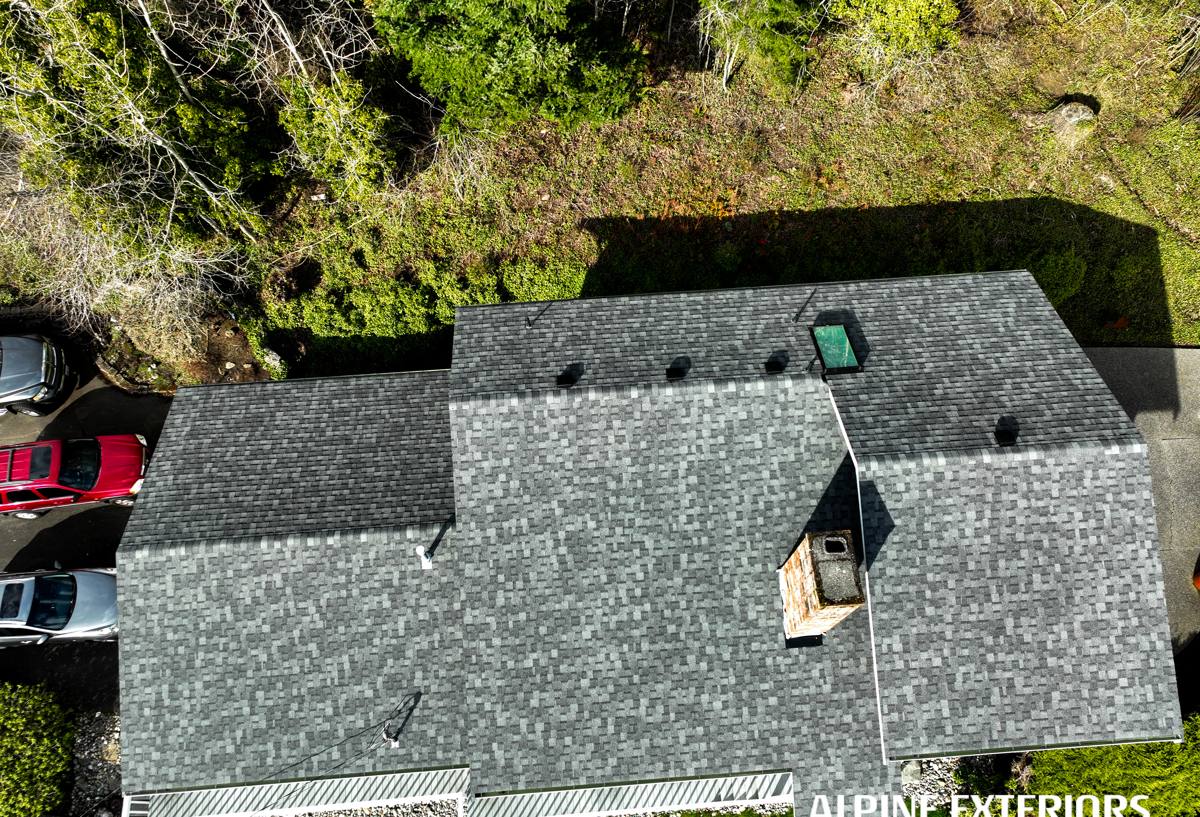
What Actually Damages a Roof on Siesta Key
Wind and Uplift
Sustained coastal winds and the gusts that come with tropical systems create uplift pressure at roof edges, corners, and ridges — the areas most likely to lose shingles or panels first. A roof that's rated for wind but installed with the wrong nailing pattern, missing starter strip, or under-fastened hip and ridge caps will still fail in exactly those spots.
UV Breakdown
Year-round Florida sun dries out asphalt shingles and degrades sealants faster than in most of the country. Granule loss, brittle shingles, and cracked pipe boots are common on roofs that are otherwise structurally fine — the sun simply ages the materials on the surface.
Wind-Driven Rain
Storms here rarely bring rain straight down. Wind pushes water sideways and upward under shingle tabs, around vents, and along flashing edges. A roof can look intact after a storm and still be leaking at a seam that was never properly sealed.
Salt Air Corrosion
Being close to the Gulf means airborne salt settles on exposed metal — flashing, fasteners, vent stacks, and drip edge. Untreated or mismatched metal corrodes faster here than almost anywhere else in the county, which is why fastener and flashing selection matters more on the Key than it does further inland.
What a Correct New Roof Installation Involves
A new roof is only as good as what happens before the first shingle or panel goes down. On Siesta Key, we treat the tear-off and deck inspection as the most important part of the job, not a formality.
- Full tear-off: Old roofing material is removed down to the deck. Roofing over an existing layer hides deck problems and voids most manufacturer warranties.
- Deck inspection and repair: Every sheet of decking gets checked for soft spots, delamination, and fastener pull-through. Damaged sections are replaced before anything else happens — this is where hidden storm and moisture damage usually shows up.
- Underlayment: A synthetic or self-adhering underlayment is installed as the roof's true water barrier. This layer matters more in a coastal environment because it's what protects the deck if wind ever compromises the surface material.
- Flashing: New flashing at all valleys, walls, chimneys, and penetrations — never reused from the old roof. Reused flashing is one of the most common causes of early leaks on "new" roofs.
- Field material installation: Shingles, tile, or metal panels installed to the manufacturer's wind-rated specification, including nailing pattern, fastener count, and exposure.
- Ridge, hip, and edge detailing: The areas most exposed to uplift get the most attention — proper starter strip, ridge cap fastening, and drip edge.
- Ventilation tie-in: Intake and exhaust ventilation confirmed and balanced so the attic can actually breathe once the roof is closed up.
- Final inspection and cleanup: A walk-through check plus magnetic sweep of the property for stray nails.
Choosing a Material for Siesta Key's Conditions
There's no single "best" roofing material for every home here — it depends on your home's structure, your budget, and how much long-term maintenance you want to take on. What matters is picking a material and installation method rated for the wind and moisture conditions of a barrier island, and understanding the trade-offs going in.
| Material | Wind Performance | Salt Air / UV Behavior | Maintenance |
|---|---|---|---|
| Architectural asphalt shingle (wind-rated) | Strong when installed to spec with proper nailing and sealed tabs | UV causes gradual granule loss over the roof's life; standard for the region | Periodic inspection, especially after storms |
| Standing seam metal | Excellent uplift resistance with concealed fasteners | Needs corrosion-resistant coatings and fasteners near the coast | Low; occasional coating check |
| Concrete or clay tile | Heavy and wind-resistant when properly fastened, but individual tiles can crack from debris impact | Very stable in UV and salt air; the underlayment beneath it is the real wear item | Occasional tile replacement; underlayment has a service life of its own |
We install and stand behind wind-rated asphalt shingle systems as our primary product on Siesta Key roofs because they offer a proven balance of performance, repairability, and cost for most homes in this area. Metal and tile are legitimate options too, and we'll walk you through the honest trade-offs for your specific roof rather than pushing one product for everyone.
Wind Rating, Permits, and Local Code
Sarasota County enforces the Florida Building Code's wind provisions, and those requirements get stricter the closer a home sits to open water — which describes most of Siesta Key. That means fastening patterns, underlayment type, and even the class of shingle allowed can differ from a comparable job a few miles inland. A new roof installation on the Key should be pulled under permit, inspected at the required stages, and installed to the wind speed rating that applies to your specific location, not a generic statewide minimum.
This isn't paperwork for its own sake. Permitted, inspected work is what your insurance carrier and any future buyer will want to see documented, and it's the difference between a roof that's actually built to code and one that just looks finished.
Documentation Worth Keeping
- Copy of the permit and final inspection sign-off
- Manufacturer product data sheets for the shingle, underlayment, and flashing used
- Written wind and weather warranty from the manufacturer
- Workmanship warranty from the installing contractor
- Photos of the deck and underlayment before the finished roof covers them
Ventilation: The Part That Determines How Long the Roof Lasts
An attic that can't breathe traps heat and moisture, and Florida sun makes that worse — a poorly ventilated attic on Siesta Key can run hot enough to bake shingles from underneath while trapped humidity encourages wood rot and mold on the deck. Balanced ventilation, intake at the eaves and exhaust at the ridge, keeps that air moving so the new roof reaches its expected service life instead of aging prematurely. We check and correct ventilation on every new roof installation rather than assuming the existing setup was adequate.
Why a Crew That Already Works Siesta Key Matters
A roofing crew that only occasionally works barrier island properties can miss things that a crew working the Key regularly won't: how tight some lot access is, what county inspectors are actually checking for on coastal wind-rated installs, and which fastener and flashing choices hold up against salt air versus which ones start showing corrosion within a couple of years. None of that is exotic knowledge — it's just familiarity that comes from doing this work in this specific environment, not a generalized "Florida roofing" approach.
It also matters for scheduling and accountability. A contractor who's already established in the Sarasota area isn't disappearing after the final payment — if a question comes up during the manufacturer's warranty period, there's a real business and a real crew to call.
Signs Your Roof Needs Replacing, Not Repairing
Not every roofing problem calls for a full replacement. But a few signs typically mean repair is only delaying the inevitable, especially on an older Siesta Key roof:
- Shingles that are curling, cracking, or losing granules across large sections rather than one spot
- Multiple past repairs in different areas of the roof
- Visible sagging in the roof deck
- Daylight visible through the attic roof boards
- A roof already at or past the manufacturer's expected service life
- Recurring leaks after storms despite prior patching
What to Expect When You Work With Us
We keep the process straightforward: an on-site inspection of your current roof and attic, a written estimate that spells out materials and scope, a permitted installation with the tear-off and deck inspection steps described above, and a final walk-through before we consider the job done. We'll tell you plainly if a repair makes more sense than a full replacement, and we won't recommend a material or system that isn't appropriate for a Siesta Key property just to close a sale.
Timelines for a new roof installation are affected by weather, permitting turnaround with the county, and material availability, and we'll give you a realistic schedule up front rather than an optimistic one that slips.
If your Siesta Key roof is aging, was damaged in a recent storm, or you're just planning ahead, we're happy to take a look and put together a free, no-pressure estimate — fill out the form below to get started.