 Sarasota Siding
 Why Downtown Sarasota Roofs Take a Different Kind of Beating
Downtown Sarasota sits close enough to the bay and the Gulf that salt-laden air is a daily fact of life, not an occasional weather event. Add in intense year-round UV, wind-driven rain off summer storms, and the real possibility of hurricane-force gusts, and you've got a combination that ages roofing materials faster than almost anywhere else in the country. A roof that performs fine in a landlocked climate can start showing corrosion, fastener failure, or seam problems here within a few years if it wasn't chosen and installed with this specific environment in mind.
Metal roofing, done correctly, is one of the strongest answers to that combination. It resists wind uplift far better than most other roofing types, it doesn't absorb water the way organic materials can, and modern coatings hold up well against UV breakdown. But "metal roofing" isn't one product — it's a category with real differences in gauge, coating, fastening method, and installation quality, and in a coastal, wind-exposed neighborhood like Downtown Sarasota those differences matter more than they would somewhere calmer.
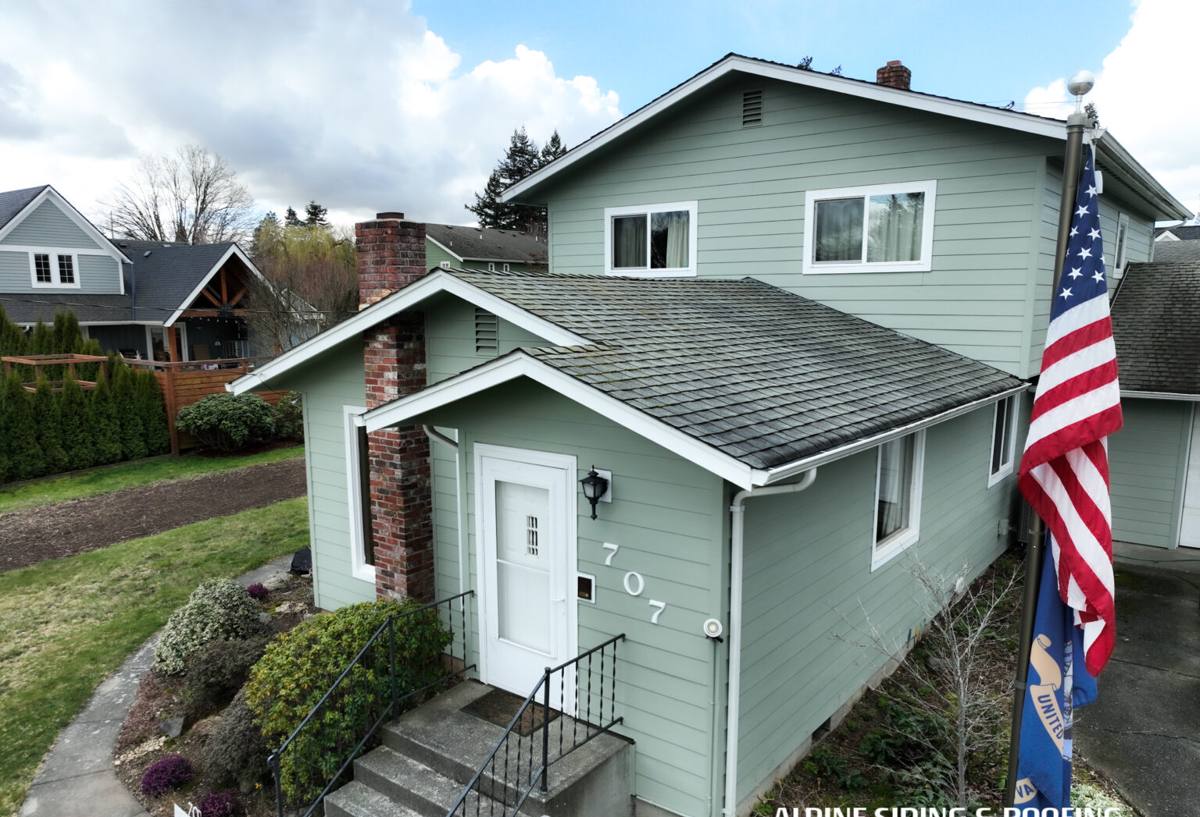
What a Correct Metal Roof Installation Actually Involves
A metal roof is only as good as the details underneath it. The panel is the visible part, but the underlayment, flashing, fastening pattern, and sealants are what actually determine whether the system holds up to a coastal storm season. For Downtown Sarasota homes, a correct install typically includes:
- A self-adhering, high-temperature underlayment rated for our climate — not a basic felt product that degrades under heat and humidity
- Fastening patterns and clip spacing matched to the home's specific wind exposure, not a generic one-size pattern
- Properly lapped and sealed flashing at every penetration, valley, and wall transition, since these are the points where wind-driven rain actually gets in
- Corrosion-resistant fasteners and trim components that won't react with the panel metal or fail early in salt air
- Ventilation detailing that keeps heat and moisture from building up under the deck
Skipping or shortcutting any one of these doesn't show up on day one — it shows up two or three storm seasons later as a leak, a lifted panel, or rust streaking at a fastener. That's why we treat the underlayment and flashing work with the same care as the panel installation itself.
Choosing the Right Metal Roofing System
Not every metal roof profile is a good fit for every home or budget, and being honest about the trade-offs up front saves homeowners from surprises later. Here's how the common options compare for a coastal, wind-exposed setting like Downtown Sarasota:
| System | Wind Performance | Salt Air Durability | Best For |
|---|---|---|---|
| Standing seam (concealed fastener) | Excellent — no exposed screws to back out | Very good with the right coating | Homes wanting the longest service life and cleanest look |
| Exposed-fastener panel | Good, but fasteners need periodic re-torquing | Fair — fasteners are the weak point over time | Budget-conscious projects, secondary structures |
| Metal shingle / tile profile | Very good when properly interlocked | Good with quality coatings | Homes wanting a traditional look with metal's durability |
We install standing seam most often on primary residences here, specifically because the concealed fastening system removes the most common failure point in coastal wind — exposed screws that loosen, back out, or corrode over the years.
Gauge and Coating Matter as Much as Profile
Two roofs with the same panel profile can perform very differently depending on the steel or aluminum gauge and the finish applied. Thinner, lower-cost panels can oil-can (show visible waviness) and dent more easily in wind-blown debris. On the coating side, a PVDF (Kynar-type) finish holds color and chalk resistance far longer under intense Florida UV than a standard SMP paint system — the difference shows up as fading and chalking on the cheaper finish within several years, while the better coating holds its color much longer. We'll walk through gauge and coating options plainly, including the cost difference, so the decision is yours to make with real information.
Corrosion Protection: The Part Salt Air Punishes First
Salt air doesn't just dull a finish — it accelerates galvanic corrosion, especially where dissimilar metals touch. This is one of the most common mistakes we see on prior installs in coastal neighborhoods: aluminum panels fastened with the wrong screw type, or steel trim in direct contact with a copper or aluminum component. Over time that contact point corrodes faster than the rest of the roof.
On every install we match fasteners, flashing, and trim metals to the panel material to avoid galvanic reaction, and we favor Galvalume-coated steel or marine-grade aluminum specifically because of their track record in coastal air. It's a small detail during installation and a major factor in whether the roof still looks and performs well a decade from now.
Wind Rating and Local Code Compliance
Sarasota County requires roofing materials and fastening systems to carry a Florida product approval or Miami-Dade County Notice of Acceptance rating appropriate to the home's wind exposure and elevation. This isn't paperwork for its own sake — it's the actual engineering basis for whether a roof system has been tested to hold up in hurricane-force wind. When we quote a metal roofing project, the panel, clip, and fastening spacing we specify are matched to a system that carries the wind rating your home's location requires, and we pull the appropriate permit before work starts.
Homes closer to the water or with more open wind exposure may need tighter fastener spacing or a higher-rated system than a similar home a mile inland. We evaluate that on a home-by-home basis rather than applying a blanket spec to every job.
Our Installation Process
- On-site evaluation — we inspect the existing roof deck, flashing points, and wind exposure specific to the property
- System selection — we walk through profile, gauge, and coating options with honest pricing for each
- Permitting — we handle the Sarasota County permit and ensure the specified system meets the required wind rating
- Deck preparation — repairing or replacing any compromised decking before a single panel goes down
- Underlayment and flashing — the waterproofing layer that does the real work during wind-driven rain
- Panel installation — set to the fastening pattern specified for the home's wind zone
- Final inspection and walkthrough — so you understand what was installed and how to maintain it
Living With a Metal Roof in a Coastal Climate
Metal roofing is genuinely low-maintenance compared to most alternatives, but "low-maintenance" isn't "no-maintenance," especially this close to the water. A short annual routine keeps a properly installed system performing the way it's supposed to:
- Rinse accumulated salt residue off the roof surface periodically, especially after long dry stretches
- Keep gutters and valleys clear of leaves and debris from tree canopy, which can trap moisture against the panel
- Have flashing and sealant points checked after any major storm, not just on a fixed calendar
- Watch for any signs of fastener corrosion or loosening on exposed-fastener systems specifically
- Trim back overhanging branches that can scrape coatings or drop debris in wind
None of this is heavy work, but skipping it entirely is how a well-installed roof loses years off its service life.
What Drives Cost on a Downtown Sarasota Metal Roof
Every home is different, so we don't publish blanket per-square pricing, but the honest cost factors on most projects in this area come down to a short list:
| Factor | Why It Matters |
|---|---|
| Panel profile and gauge | Standing seam and heavier gauge cost more upfront but reduce long-term maintenance and replacement risk |
| Coating type | PVDF/Kynar finishes cost more than standard paint systems but resist coastal UV and salt fading far longer |
| Roof complexity | Valleys, dormers, and multiple roof planes increase flashing work and labor time |
| Deck condition | Rotted or compromised decking found during tear-off adds repair cost but is not optional to skip |
| Wind rating required | Homes with higher wind exposure may need tighter fastener spacing or a higher-rated system |
Why Local Experience in Downtown Sarasota Matters
A crew that regularly works in and around Downtown Sarasota already understands the practical realities that a generalist crew has to learn on the fly: how tight lots and mature tree canopy affect staging and access, what Sarasota County's permitting office actually expects on submittals, and how much salt exposure a given block realistically sees based on proximity to the water. That familiarity translates into fewer surprises, fewer permit delays, and a system specified correctly the first time rather than adjusted after something fails.
We're not interested in selling every homeowner the most expensive option on the shelf. Our job is to explain the real trade-offs between systems, install the one that fits your home and budget correctly, and stand behind that work. If you're weighing metal roofing for a Downtown Sarasota home, we're happy to take a look and walk you through your options with a free, no-pressure estimate — no obligation, just honest information about what your roof actually needs.