 Sarasota Siding
 Downtown Sarasota Roofs Face a Different Set of Problems
A roof in Downtown Sarasota works harder than a roof almost anywhere else in the country. Between the hurricane-force winds that come through Sarasota County most years, the intense year-round UV exposure, wind-driven rain that gets pushed sideways under flashing and shingle edges, and the salt-laden air rolling in off the Gulf, every roofing material on a Downtown Sarasota home is under constant stress. None of that is unique to us saying it — it's just physics and chemistry. UV breaks down asphalt and sealants faster here than in a northern climate. Salt air accelerates corrosion on fasteners, flashing, and any exposed metal. Wind-driven rain finds the smallest gap and pushes water uphill against gravity. A roof repair here has to account for all of it, not just patch the spot that's leaking today.
An Older, Mixed Housing Stock
Downtown Sarasota is a mix of established bungalows, mid-century homes, and newer infill construction alongside condos and townhomes. That means we see a wide range of roof ages and conditions on any given block — some roofs are original to a decades-old home and well past due for attention, others were replaced more recently but installed by a crew that didn't detail the flashing and penetrations correctly for this climate. Both situations lead to the same kinds of repair calls.
More Than One Roof Type on the Same Street
Because the housing stock is mixed, we're regularly working across asphalt shingle, tile, and low-slope/flat roof sections — sometimes all three on the same property if there's an addition or a porch roof with a different pitch. A correct repair depends on knowing how each of those systems actually fails and how they interact with each other at transitions, which is a common trouble spot on homes with additions.
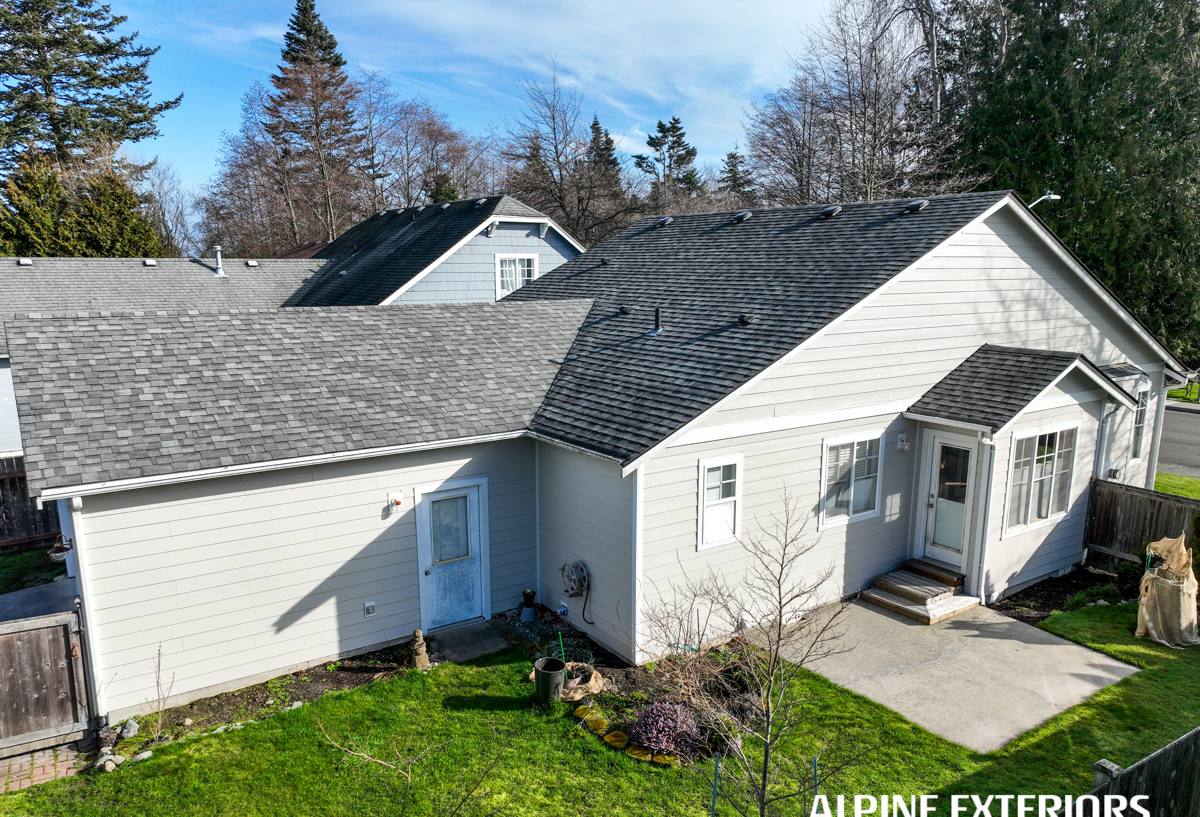
The Roof Repair Issues We See Most in This Area
Wind and Storm Damage
After any significant wind event, the calls we get from Downtown Sarasota are predictable: lifted or missing shingles, tile that's shifted or cracked, and flashing that's been peeled back at an edge or ridge. Wind doesn't just rip material off — it gets underneath a compromised seal and works the problem wider every time it happens again. A shingle that looks "just a little lifted" after one storm is often the start of a leak that shows up two storms later.
Flashing and Penetration Leaks
Most roof leaks that aren't storm-related trace back to flashing — around chimneys, skylights, vent pipes, wall-to-roof transitions, and valleys. Sealant alone is never a permanent fix for these; it's a maintenance item that degrades in UV and salt air faster than most homeowners expect. When we get a call about a ceiling stain, flashing and penetration details are usually the first thing we check, well before we assume the field of the roof itself is the problem.
Granule Loss and UV Breakdown
Asphalt shingles lose their protective granules over time, and intense Florida sun speeds that process up considerably. Bald spots on a shingle mean the asphalt underneath is taking direct UV exposure, which leads to brittleness and cracking. This kind of wear is gradual and easy to miss from the ground, which is why a proper inspection matters more than a quick look from the driveway.
Corrosion at Fasteners and Metal Components
Salt air is genuinely hard on exposed metal — nail heads, drip edge, flashing, and any exposed fastener. Corrosion at these points is a slow leak generator: as metal degrades, seals fail, and water finds a path. This is one of the more overlooked reasons a coastal-area roof needs closer, more frequent attention than the same roof would need inland.
What a Correct Repair Actually Involves
A quality roof repair is not just sealing the spot where water is currently showing up inside the house. Water travels — it can enter at one point and show up on a ceiling several feet away, following a rafter or sheathing seam before it drips. Our approach starts with finding the actual source, not just the symptom.
- Inspect the interior stain or damage point and trace likely water paths back toward the roof
- Examine the roof surface itself for lifted, missing, or cracked material in the suspected area and beyond it
- Check all flashing, valleys, and penetrations near the affected area, not just the nearest one
- Assess the decking and underlayment condition where accessible — a surface patch over rotted decking will fail again
- Confirm the repair addresses the cause, not just the visible symptom
- Match repair materials to the existing roof as closely as possible so the fix doesn't stand out or create a new weak point
Skipping any of these steps is how a homeowner ends up paying for the same leak twice. We'd rather take the extra time upfront than send someone back out to redo work.
Repair or Replace? How We Help You Decide
Not every roof problem in Downtown Sarasota needs a full replacement, and we're not going to tell you it does. But there's a point where repeated repairs cost more over time than addressing the roof properly. Here's generally how we think through it:
| Factor | Repair Usually Makes Sense | Replacement Should Be Considered |
|---|---|---|
| Roof age | Well within expected lifespan for the material | At or past the typical service life for that roofing type |
| Damage extent | Isolated to one area or component | Widespread across multiple sections or slopes |
| Decking condition | Solid, no rot or soft spots found | Soft, delaminated, or water-stained decking present |
| Repair history | First or infrequent issue | Same area has needed repair more than once or twice |
| Storm damage | Limited, localized wind or debris damage | Widespread lifting, missing material, or structural concerns |
When a roof falls into the replacement column, we'll say so plainly and explain why — we're not interested in patching something that's going to keep costing you money and eventually fail at a worse time, like during a storm.
Our Roof Repair Process for Downtown Sarasota Homes
Assessment First
We start with a full inspection, not just a look at the reported problem spot. Given how interconnected roof systems are, especially on homes with additions or multiple roof pitches common in this area, a thorough look catches related issues before they turn into a second service call.
A Clear, Written Scope
Before any work starts, you get a clear explanation of what's actually wrong, what we're going to do about it, and why. No vague line items. If we find something during the repair that changes the scope — hidden decking damage is the most common example — we'll stop and talk it through with you before proceeding, not surprise you on the final invoice.
The Repair Work
We use materials appropriate to withstand this region's wind, UV, and salt exposure, and we detail flashing and penetrations to actual manufacturer and code standards rather than relying on sealant as a long-term fix. Work areas are protected and cleaned up when we're done — nail and debris cleanup matters, especially with kids or pets around the property.
Follow-Up
After a repair, we'll let you know what to keep an eye on and roughly when the roof should get its next look, particularly if the repair was storm-related and the rest of the roof took similar exposure even if it didn't show visible damage yet.
Materials We Use for Repairs
Whenever possible, we match repair materials to what's already on the roof — same or comparable shingle style and color, same tile profile, or compatible flashing metal — so the finished repair blends in and doesn't create a mismatched patch that ages differently than the surrounding roof. For flashing, we favor corrosion-resistant metals suited to a coastal environment over cheaper alternatives that will corrode faster in salt air. For sealants and underlayment, we use products rated for sustained UV and temperature exposure rather than generic hardware-store options that break down quickly under Florida sun. This isn't about upselling — it's about not having to come back and redo the same repair in two years because a lower-grade material couldn't handle the environment.
Why a Crew That Already Works Downtown Sarasota Matters
Roofing problems here aren't generic. A contractor who mostly works inland or in a different climate may not think about salt-air corrosion at fasteners, or may under-detail flashing because it's rarely tested by wind-driven rain where they usually work. A crew that regularly repairs roofs in Sarasota County knows what tends to fail first on the housing types found Downtown, what the local permitting and inspection process looks like for repair work, and how to sequence a repair around Florida's storm season so a temporary fix doesn't become a permanent liability. Familiarity with the area also means faster response after a storm, when a lot of homeowners are trying to get someone out at the same time.
Between Repairs: What Keeps Small Problems Small
A lot of roof repair costs are avoidable with basic attention between service visits. None of the following requires climbing on the roof yourself — most of it is a visual check from the ground or a quick look with binoculars.
- Walk the property after any significant storm and look for shingles, tile fragments, or debris in the yard
- Check gutters for granule buildup, which signals accelerating shingle wear
- Look at ceilings and attic spaces periodically for staining, even faint discoloration
- Note any musty odor in upper rooms or closets, which can indicate hidden moisture
- Have flashing and sealant points looked at every couple of years rather than waiting for a leak
- Keep overhanging tree limbs trimmed back from the roofline to reduce abrasion and debris
Catching a lifted shingle or a failing sealant joint before it becomes an interior leak is almost always cheaper and less disruptive than dealing with water damage, drywall repair, and potential mold remediation on top of the roof work itself.
Get a Straightforward Look at Your Roof
If you're dealing with a leak, storm damage, or just have a nagging concern about the roof over a Downtown Sarasota home, we're happy to come take an honest look. We'll tell you what we actually find — whether that's a straightforward repair, a heads-up about something to watch, or an honest conversation about replacement — with no pressure either way. Use the form below to request a free estimate.