 Sarasota Siding
 Composite Decking Built for Ellenton's Climate
Ellenton sits close enough to the Gulf and the Manatee River corridor that homeowners here deal with the same punishing mix of conditions found throughout the Sarasota region: long stretches of intense UV, humidity that barely lets up, sudden wind-driven downpours, and salt-laden air that moves inland on the breeze. A deck built without that combination in mind will show it fast — fading, warping, fastener corrosion, and soft spots around ground contact are common complaints we hear from homeowners with older wood decks in this area. Composite decking, installed correctly, handles that environment far better than traditional lumber, but "composite" isn't a single product with guaranteed performance. The board itself matters, and so does everything underneath it that you'll never see once the job is done.
This page covers what a composite deck project actually involves for a home in Ellenton, what separates a deck that lasts from one that needs early repairs, and how we approach the work.
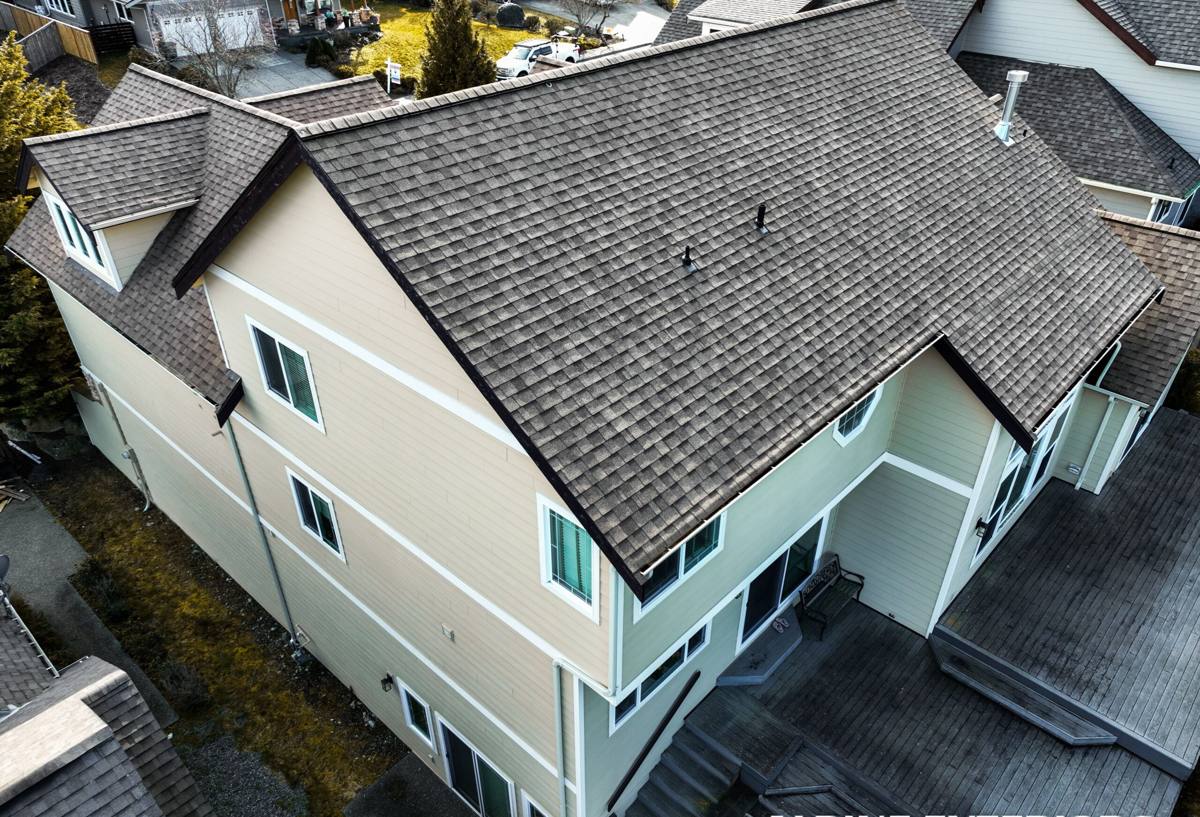
What Florida's Conditions Actually Do to a Deck
UV and Heat
Direct Florida sun breaks down lesser-quality composite boards over time, causing fading and, in cheaper products, surface chalking. Better capped composites are formulated to resist UV degradation far longer, but no board is completely immune — color choice and cap quality both affect how a deck looks after several summers of exposure.
Moisture and Humidity
Sarasota-area humidity means wood framing underneath a deck rarely gets a chance to fully dry out between rain events. This is where most deck failures actually start — not in the visible boards, but in a substructure that was never properly protected from moisture.
Wind and Storms
Hurricane-force wind events put real load on railings, stair connections, and ledger board attachments. A deck that's fastened correctly to the house and rated for local wind exposure holds up; one built to minimum shortcuts becomes a liability in a storm.
Salt Air
Even set back from the immediate coastline, homes in the greater Sarasota-Manatee area get enough salt in the air to accelerate corrosion on standard fasteners and hardware. Over a few years, the wrong screws and brackets can rust, stain the decking, and weaken connections.
What a Correctly Installed Composite Deck Involves
The composite boards are the part homeowners see, but the quality of a deck is decided mostly by the work underneath it. A correct installation includes:
- A framing layout and joist spacing matched to the specific composite product's span rating — not just "whatever spacing looks fine"
- Pressure-treated or naturally resistant framing lumber, protected from ground moisture and properly flashed where it meets the house
- Stainless steel or coated, corrosion-rated fasteners and hardware suited to coastal humidity and salt exposure
- Proper ledger board attachment to the house structure, sealed against water intrusion behind the siding
- Adequate ventilation and drainage beneath the deck so moisture doesn't sit trapped against the framing
- Board spacing and expansion gaps sized for Florida's heat swings, since composite material expands and contracts more than people expect
- Railing posts anchored to blocking rated for the load, not just screwed into decking boards
Skipping any one of these doesn't usually show up on day one. It shows up two or three years later as a soft spot, a squeaky rail, or rust streaks bleeding through the boards.
Comparing Decking Materials for This Climate
Homeowners in Ellenton often ask how composite stacks up against pressure-treated wood and PVC. Here's an honest comparison based on how each material actually behaves in a hot, humid, storm-prone coastal climate:
| Material | Upfront Cost | Maintenance | Heat Underfoot | Coastal/Storm Durability |
|---|---|---|---|---|
| Pressure-Treated Wood | Lowest | High — annual sealing/staining needed | Moderate | Prone to rot, splintering, and fastener corrosion over time |
| Capped Composite | Mid to higher | Low — periodic cleaning, no sealing | Can run warm in direct sun; lighter colors help | Strong resistance to moisture, insects, and salt exposure when installed correctly |
| PVC / Cellular PVC | Highest | Very low | Similar to composite, varies by product | Excellent moisture resistance; lighter weight, different feel underfoot |
We install composite most often because it gives Ellenton homeowners the best balance of upfront cost, low ongoing maintenance, and long-term performance against sun, humidity, and salt air — without the annual upkeep a wood deck demands.
Our Process
1. On-Site Assessment
We look at the existing structure (for replacements), ledger attachment point, drainage around the footprint, and any wind-exposure factors specific to the property before quoting anything.
2. Honest Scope and Estimate
You get a clear breakdown of what's being replaced versus reused, what board and hardware will be used, and why — no vague "deck package" pricing with hidden substructure shortcuts.
3. Framing and Structural Work
This is where most of the long-term durability is decided. We build or repair the substructure to match the composite manufacturer's span requirements and use fasteners rated for this climate.
4. Decking, Railing, and Trim Installation
Boards are installed with correct expansion gaps and fastening patterns, railings are anchored into structural blocking, and fascia is finished for a clean edge.
5. Final Walkthrough
We walk the finished deck with you, check that everything is solid underfoot and at the railings, and go over basic care before we consider the job done.
Ground Clearance, Drainage, and Ventilation
Low, ground-level decks are common on Florida homes, but they're also where the most moisture-related problems show up if drainage isn't handled correctly. Standing water or poor airflow under a deck keeps humidity trapped against the framing year-round, which shortens the life of even good lumber and can lead to mold or insect issues over time. Part of a correct installation is grading the area beneath the deck to shed water away from the house and leaving enough clearance and airflow for the substructure to actually dry out between rain events — which, in this climate, is often and heavy.
Hardware and Railings: Where Salt Air Does the Most Damage
Homeowners are often surprised that hardware failure — not board failure — is the most common issue we see on older decks in the Sarasota area. Standard zinc-coated screws and brackets corrode faster than people expect when they're exposed to salt-laden coastal air, even a few miles inland. Rust stains bleeding down composite boards, loose railing posts, and weakened connections at stair stringers usually trace back to hardware that wasn't rated for the environment. We use stainless steel or climate-rated coated fasteners and connectors throughout, particularly at structural connection points and railing posts, since those are the places a hardware failure actually matters.
Maintenance Homeowners Actually Need to Do
One of the real advantages of composite over wood is how little upkeep it needs — but "low maintenance" isn't "no maintenance." A composite deck in this climate benefits from:
- Periodic washing to remove pollen, dirt, and organic buildup (mold and mildew can grow on any outdoor surface in Florida humidity, composite included)
- Keeping planters, grills, and furniture legs from trapping moisture or debris against the board surface
- An annual check of railing posts and stair connections for looseness, especially after storm season
- Clearing leaves and debris from between boards and around drainage points so water keeps moving off the deck
None of this requires sealing, staining, or sanding — which is the main reason composite has become the standard choice for homeowners who want a deck that looks good without a yearly project attached to it.
Permits and Local Considerations
New decks and major deck replacements typically require a building permit, and in coastal Florida counties that process often includes review for wind load and structural attachment to the home. Requirements and inspection steps vary by jurisdiction and by whether a property falls under an HOA with its own design guidelines, so we handle the specifics for your property rather than assuming a one-size-fits-all approach. If your home is in a community with HOA rules around decking materials, color, or railing style, it's worth checking those before final design decisions — we're happy to help you sort out what's actually required.
Why a Crew That Already Works in Ellenton Matters
Decking done right in this region isn't just about installing good boards — it's about understanding how sun exposure, drainage, storm wind loads, and salt air interact on homes built for this specific part of Florida. A crew that regularly works in and around Ellenton and the broader Sarasota area already knows what tends to fail first on local decks, what fastener and framing choices hold up here versus elsewhere, and what the local permitting process actually looks for. That local familiarity translates into fewer surprises during the build and a deck that's built for the conditions it will actually face, not generic conditions from a manufacturer's spec sheet written for a different climate.
If you're considering a new composite deck or need to replace one that's showing its age, we're glad to take a look and give you a straightforward, no-pressure estimate — just fill out the form below and we'll follow up to schedule a time.