 Sarasota Siding
 Why Ellenton Roofs Wear Differently
Ellenton sits in that stretch of the Gulf Coast where a roof rarely gets a break. Between the Manatee River and Tampa Bay, homes here take on a mix of stresses that inland Florida roofs simply don't see in the same combination: hurricane-force wind gusts during storm season, near-constant UV exposure, wind-driven rain that finds every weak seam, and a steady dose of salt air carried in off the water. None of these alone would be unusual. Together, over years, they shorten the life of flashing, fasteners, and roofing material faster than most homeowners expect.
We do roof repair work across the Sarasota-Bradenton region, including Ellenton and the surrounding Manatee County neighborhoods, and the pattern is consistent. A roof that looks fine from the driveway often has damage starting at the details — the flashing around a chimney, the seal at a vent pipe, the ridge cap that's been baking in full sun for a decade. Catching and fixing that damage correctly, before it becomes a leak or a bigger structural repair, is the whole point of a repair visit done right.
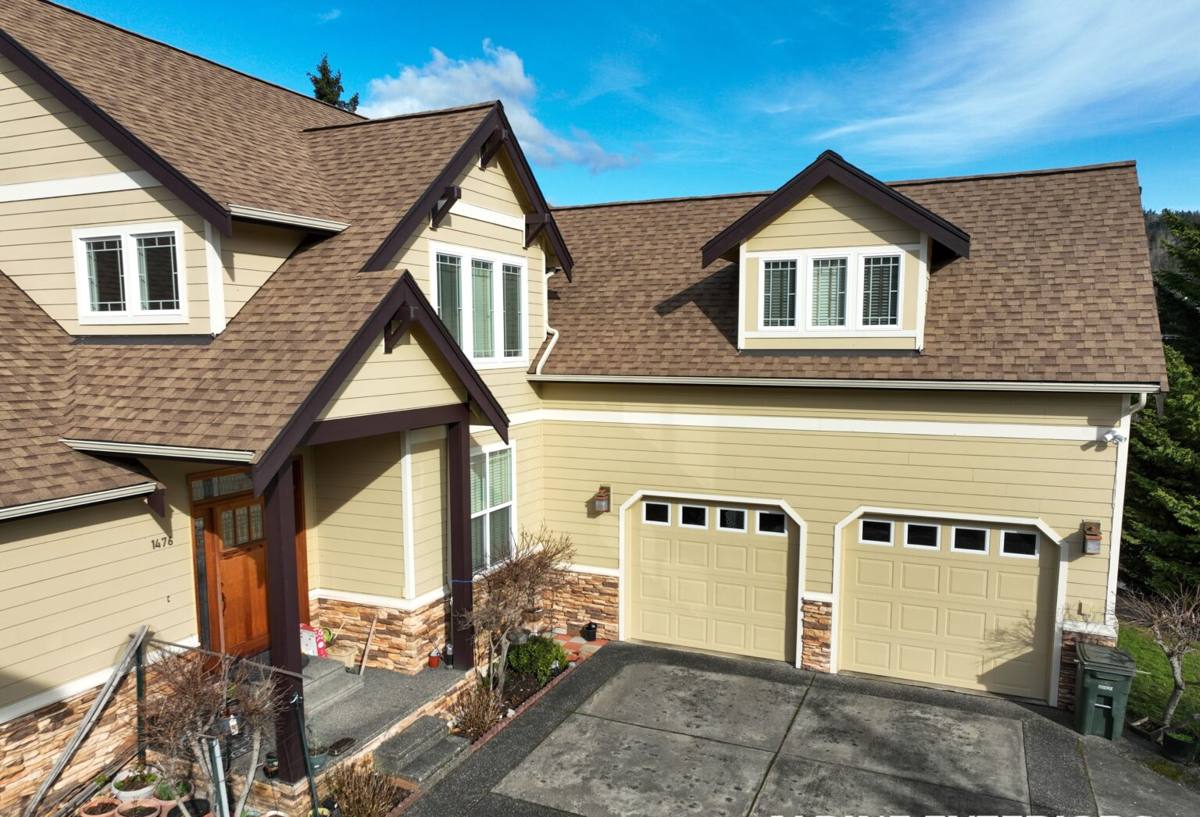
What Local Weather Actually Does to a Roof
Wind
Sustained tropical-storm and hurricane winds don't need to be catastrophic to cause damage. Repeated gusts work shingles and tiles loose at the edges, lift ridge caps, and stress the nails or clips holding roofing material down. Once a single shingle or tile lifts, wind gets underneath the next one, and the damage spreads in a chain reaction during the next storm.
UV exposure
Florida sun is relentless on a roof surface. UV breaks down the asphalt oils in shingles, making them brittle, and it dries out rubber boots and sealant around penetrations — vent pipes, skylights, chimneys. Brittle material cracks instead of flexing, which is exactly what you don't want during the next windstorm or downpour.
Wind-driven rain
Straight-down rain and sideways rain behave very differently on a roof. Wind-driven rain gets pushed up under shingle edges, into gaps at flashing, and through any seam that isn't sealed with that scenario in mind. A roof can be watertight in a calm rain and still leak during a tropical system if the underlying details weren't installed for wind-driven conditions.
Salt air
Proximity to coastal water means airborne salt settles on roofing material and metal components over time. It accelerates corrosion on exposed fasteners, flashing, and any metal roofing or trim, and it can contribute to premature granule loss on asphalt shingles. This is a slower process than storm damage, but it's steady, and it's part of why roofs in this region age differently than the same materials would inland.
What a Correct Roof Repair Actually Involves
A proper repair isn't just patching the spot where water is currently getting in. Water travels before it shows up as a stain on a ceiling, so the visible leak point and the actual entry point are often not the same location. A correct repair process includes:
- A full inspection of the roof surface, not just the reported problem area, since storm and UV damage rarely stay isolated to one spot
- Tracing the water path from the interior stain or leak back to the actual entry point on the roof
- Checking flashing at every penetration — chimneys, vent pipes, skylights, wall transitions — since these are the most common failure points
- Matching replacement material as closely as possible to what's already on the roof in type, profile, and color
- Re-sealing and re-fastening to current wind-resistance standards, not just replacing what failed
- Checking the roof deck underneath for soft spots or moisture damage before closing the repair back up
Skipping any of these steps is how a "repaired" roof ends up leaking again in the next storm, in the same spot or a new one nearby.
Our Repair Process for Ellenton Homes
We keep the process straightforward because homeowners dealing with a leak don't need extra complexity added on top of it.
1. Inspection and honest assessment
We inspect the roof in person, identify the actual cause of the damage, and tell you plainly whether it's a repair situation or something closer to end-of-life for that section of roof. Not every roof problem needs a full replacement, and we're not going to tell you it does.
2. Clear, written estimate
You get a written scope of work and price before anything happens — what's being repaired, what material is going on, and why. No vague line items.
3. The repair itself
We match materials, address the root cause (not just the symptom), and rebuild the flashing and sealing details to hold up against the wind and rain conditions this area actually sees.
4. Cleanup and walk-through
Job site cleaned up, debris and old material hauled off, and we walk the repair with you before we consider the job done.
Repair vs. Replacement: Making the Right Call
One of the most common questions we get on an Ellenton roof call is whether a section of damage means the whole roof needs to go. Usually it doesn't — but the answer depends on the roof's age, how widespread the damage is, and what's happening underneath the surface material. Here's how we generally think about it:
| Situation | Repair Usually Makes Sense | Replacement Likely Needed |
|---|---|---|
| Roof age | Under 12-15 years, material still has useful life left | Near or past the material's expected lifespan |
| Damage extent | Isolated to one area — a flashing point, a section of shingles or tiles | Widespread granule loss, multiple leak points, or cracking across the roof |
| Deck condition | Deck is dry and solid under the damaged area | Deck shows rot, soft spots, or repeated moisture intrusion |
| Storm history | First significant damage after normal wear | Repeated storm damage to the same roof over recent years |
| Material match | Matching material is available and roof isn't discontinued | Original material is no longer made or matching is impractical |
We'll always tell you honestly which category your roof falls into rather than defaulting to the more expensive answer.
Roofing Materials Common on Ellenton Homes
Repair approach depends heavily on what's already on the roof. The most common types we work on in this area each have their own repair considerations:
Asphalt shingles
The most common residential roofing material in the region. Repairs involve replacing damaged shingles, resealing tabs, and rebuilding flashing. Matching color and style gets harder as shingles age and fade in the sun, so we're upfront if an exact match isn't realistic.
Concrete and clay tile
Common on homes throughout the Sarasota-Bradenton area and generally durable against UV and salt air, but individual tiles crack from impact or foot traffic, and the underlayment beneath them is what actually keeps water out. A tile repair that only replaces the visible cracked tile without checking the underlayment underneath isn't a complete repair.
Metal roofing
Holds up well against wind but is more sensitive to fastener and seam maintenance in salt air, since corrosion at exposed screws or seams is the most common failure point. Repairs typically focus on fastener replacement, sealant renewal, and seam integrity.
Signs an Ellenton Home Needs Roof Repair Now
Some damage is obvious after a storm. Other damage builds quietly and only shows up as a problem months later. Worth checking for:
- Missing, cracked, or curling shingles, or cracked/slipped tiles
- Granules collecting in gutters or at downspouts
- Water stains on ceilings or ceiling discoloration, even faint ones
- Visible daylight through the attic roof deck
- Soft or spongy spots when walking the roof (for low-slope sections)
- Rusting or lifted flashing around chimneys, vents, or skylights
- Dark streaking or moss/algae growth in shaded roof areas
- A musty smell in the attic, which often means moisture is already present
If any of these sound familiar, it's worth getting a look before the next storm system passes through — small repairs now are almost always less disruptive than emergency repairs after a leak has already reached the interior.
Why It Matters to Hire a Crew That Already Works Ellenton
Roof repair isn't identical everywhere in Florida, and it isn't identical to roofing work done in states without hurricane exposure or salt air. A crew that regularly works roofs in Ellenton and the surrounding Manatee and Sarasota County area already knows which failure points show up most often in this specific climate, what wind-rating details actually hold up here, and how local permitting and inspection requirements apply to repair work. That familiarity shows up in the quality of the repair — not in a marketing sense, but in practical terms like flashing that's detailed for wind-driven rain instead of just rain, and fastening that accounts for real storm-season gusts rather than a generic wind zone.
It also means a company that will still be around and reachable if a repair needs a warranty follow-up down the line, rather than a storm-chasing crew that leaves the area once the immediate demand dries up.
Get a Free, No-Pressure Estimate
If you're dealing with a leak, storm damage, or just want a roof checked over before hurricane season puts it to the test, we're happy to take a look. The estimate is free, there's no pressure to move forward, and you'll get a straight answer about whether your roof needs a repair, a bigger fix, or nothing at all right now. Fill out the form below to get started.