 Sarasota Siding
 Siding on a Barrier Island Is a Different Job
Siesta Key sits out on the Gulf, separated from the rest of Sarasota by open water on one side and the Intracoastal on the other. That position is what makes the beach so good and what makes siding here such a demanding job. A product that holds up fine ten miles inland can chalk, swell, or fail years early once it's facing open Gulf air every day. Anyone quoting siding on the Key without accounting for that difference is quoting the wrong job.
This page is about one product, in one place: fiber cement siding installed correctly on Siesta Key homes. Not a general overview of siding options — a straight answer to what this climate does to a home's exterior, what a correct installation actually involves, and why we install only James Hardie fiber cement here rather than vinyl, LP SmartSide, or other alternatives.
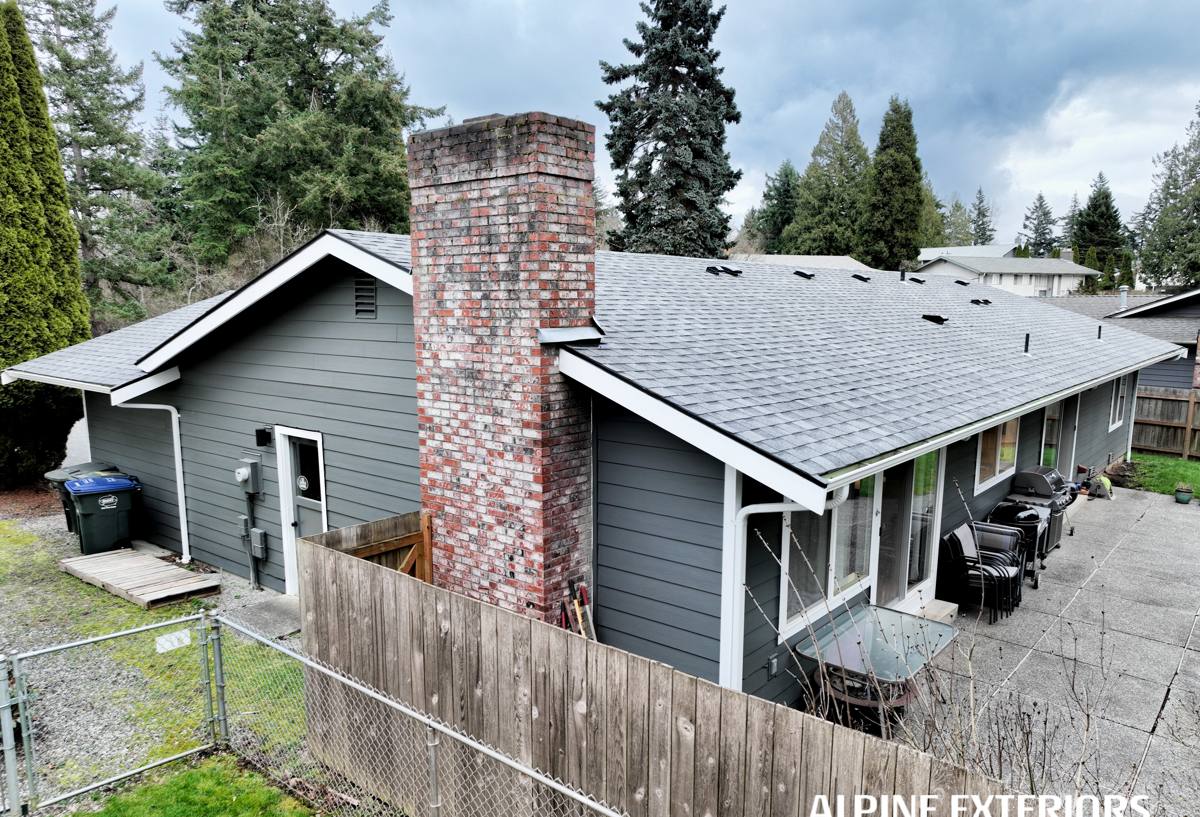
What Siesta Key's Climate Does to Siding Over Time
Sarasota County's barrier islands get a concentrated version of everything Florida's exterior products have to survive. It's worth breaking down separately, because each factor stresses a different part of a siding system.
Salt Air
Airborne salt from the Gulf doesn't just sit on the surface — over years it works into fasteners, trim seams, and any exposed edge of a siding panel. Materials that aren't rated for coastal exposure can corrode at the fastener line or degrade at cut edges well before the field of the panel shows any wear. Salt exposure is highest on Gulf-facing elevations, but on a barrier island, "not Gulf-facing" still means a few hundred feet from open water.
Intense, Year-Round UV
Sarasota's UV index runs high most of the year, not just in summer. Siding finishes that aren't engineered for that load fade unevenly, chalk, or lose adhesion, especially on south- and west-facing walls. A finish that looks fine in a showroom sample can look tired within a few years on a wall that gets full sun from midday through sunset.
Wind-Driven Rain
Storms here rarely arrive as straight-down rain. Wind pushes water sideways and up under laps, trim, and penetrations. A siding system depends on correct lap coverage, flashing, and a functioning drainage plane behind it — the siding material itself is only half the story. Water that gets behind the cladding and has nowhere to go is what causes rot, mold, and sheathing damage, regardless of how good the visible surface still looks.
Hurricane-Force Wind Loads
Coastal Sarasota County falls within Florida's wind-borne debris region, which affects both the products allowed and how they must be fastened. Siding on an exposed barrier island needs to hold its fastening schedule and edge attachment under sustained high wind, not just survive a calm-weather inspection.
Why We Install Only James Hardie Fiber Cement
We don't install vinyl, LP SmartSide, Cemplank, Allura, primed spruce, or cedar. That's a deliberate standard, not a sales pitch, and on a barrier island it matters more than almost anywhere else we work.
Non-Combustible and Dimensionally Stable
Fiber cement is cement-based, not wood-based or vinyl. It doesn't expand and contract with humidity the way wood-based siding can, and it doesn't soften or deform under sustained heat the way vinyl can. On a wall that spends all day facing direct Gulf sun, that stability is what keeps panels laying flat and joints tight year after year.
HardiePlank HZ5 and Climate-Engineered Product Lines
James Hardie engineers its HZ product lines by climate zone, and Florida installations use the HZ5 formulation built for high-humidity, high-moisture-exposure regions. That's a meaningful difference from a one-size-fits-all fiber cement product — it's a version of the material specifically formulated for the conditions a Siesta Key home actually sees.
ColorPlus Factory Finish
Most of what we install uses Hardie's ColorPlus finish, a factory-applied and cured coating rather than field-applied paint. It's more consistent than site-painted siding, resists fading and chalking better under sustained UV, and doesn't depend on weather conditions at the time of installation the way a field paint job does. For a coastal exterior, a finish that's already cured before it ever gets rained on or baked in the sun is a real advantage.
A Warranty Backed by the Manufacturer
James Hardie's transferable warranty is tied to the product and the installation meeting Hardie's own specifications. That only means something if the installer actually follows those specs — which is the whole reason correct installation gets its own section below.
What a Correct Installation Actually Involves
Fiber cement is only as good as the installation behind it. Most siding failures we see on coastal homes trace back to installation shortcuts, not the material itself.
Weather Barrier and Flashing First
Before a single piece of siding goes up, the wall needs a continuous, correctly lapped weather-resistant barrier, with flashing integrated at every window, door, and penetration so water is directed out and down, never behind the cladding. On a wind-driven-rain coast, this hidden layer is doing more long-term work than the visible siding.
Manufacturer Clearances
Hardie specifies minimum clearances from grade, roof lines, decks, and horizontal surfaces, along with gaps at trim and butt joints that get sealed with the right sealant, not caulked shut with no room to move. Skipping these clearances is one of the most common ways installers void the manufacturer's warranty without the homeowner ever knowing.
Fastening for Wind Exposure
Fastener type, spacing, and placement all change based on wind exposure, and a barrier island installation should be fastened to the higher end of what the manufacturer allows, not the minimum. Corrosion-resistant fasteners matter here specifically because of the salt air discussed above.
Field-Cut Edges Get Sealed
Every cut edge of a fiber cement board exposes raw material that isn't factory-finished. On a coastal home, those edges need to be back-primed or sealed according to Hardie's instructions before installation — otherwise they become the first place moisture and salt air find a way in.
Fiber Cement vs. Other Siding Options for a Coastal Home
Homeowners on Siesta Key considering an exterior often compare fiber cement against vinyl or engineered wood products. Here's how they stack up against the specific stresses this location creates.
| Factor | James Hardie Fiber Cement | Vinyl Siding | Engineered Wood (LP SmartSide) |
|---|---|---|---|
| Salt air / corrosion resistance | Cement-based, does not corrode; fasteners are the main consideration | Does not corrode but can become brittle with UV and heat exposure over time | Wood-based core is vulnerable to moisture wicking at cut edges and joints |
| UV / fade resistance | ColorPlus factory finish engineered for long-term color retention | Color is throughout the material but can chalk and fade under intense UV | Finish is field- or factory-applied and depends on ongoing maintenance |
| Wind performance | Rigid, heavy panel; performs well when fastened to spec | Lightweight; can deform, crack, or blow off in sustained high wind if under-fastened | Performs adequately when installed and maintained correctly |
| Moisture behavior | Does not swell or rot; still requires correct flashing and drainage | Not moisture-absorbent, but seams and laps are common water entry points | Wood-based substrate can swell, delaminate, or decay if moisture gets behind it |
| Maintenance / longevity | Low; factory finish holds up with periodic cleaning and caulk checks | Low; but repainting is not possible without special primers, and impact damage means replacement | Moderate; requires more diligent upkeep to protect the wood-based core |
This isn't a claim that other products can't be installed correctly and last a long time elsewhere — it's why, on this specific stretch of coastline, we've standardized on one product and one installation method rather than offering several.
How We Approach a Siesta Key Project
The process is the same discipline on every home, adjusted for exposure and existing wall condition.
- Exterior assessment. We check existing wall condition, moisture readings where relevant, exposure direction, and any areas where prior installation shortcuts show up around windows, corners, and trim.
- Tear-off and substrate check. Old siding comes off and the sheathing underneath gets inspected before anything new goes up — covering damaged sheathing with new siding just hides the problem.
- Weather barrier and flashing. A continuous, correctly lapped barrier goes on with flashing detailed at every opening and penetration first.
- Installation to Hardie specification. Correct clearances, fastener schedule, and joint treatment, with cut edges sealed as they're installed rather than after the fact.
- Final inspection and warranty registration. We walk the finished exterior against the manufacturer's requirements before closing out the job, so the warranty is actually intact if it's ever needed.
What to Ask Before Hiring a Fiber Cement Contractor on the Island
Fiber cement is unforgiving of shortcuts, and a poor installation can look fine for a year or two before problems show up. A few questions help separate a crew that knows this material from one that's learning on your house:
- Do you install fiber cement full-time, or is it one of several siding products you offer?
- What fastener spacing and type will you use for a Gulf-facing wall versus an interior wall?
- How do you detail flashing at windows, doors, and roof-to-wall intersections?
- What clearance will the siding have from the roofline, decks, and grade?
- Will cut edges be sealed before or after each board goes up?
- Is the installation done to the manufacturer's specification so the warranty stays valid?
- Have you worked on barrier island homes before, and do you understand the access and logistics involved?
Why a Crew That Already Works Siesta Key Matters
Barrier island jobs come with logistics that inland Sarasota County jobs don't: limited bridge access and traffic timing, seasonal occupancy patterns that leave some homes vacant for months, HOA or community aesthetic guidelines that vary block to block, and homes that have already taken years of direct Gulf exposure by the time we get there. A crew that's done this work on the Key before has already seen what generic installation practices miss out here — where salt air concentrates on a given elevation, where wind-driven rain finds gaps that wouldn't be an issue a few miles inland, and what condition to expect underneath siding that's been up for a decade or two in this exposure.
That experience doesn't replace following the manufacturer's specification — it's what makes following that specification meaningful for this specific location instead of a generic checklist.
If you're weighing a siding project on Siesta Key, we're happy to take a look and give you a straight, no-pressure assessment of what your home actually needs. Use the form below to request a free estimate.