 Sarasota Siding
 Siding That Has to Work as Hard as The Meadows Does
The Meadows is one of Sarasota's older established communities, and that maturity shows in the best ways — mature oak and pine canopy, mature landscaping, lakes and golf frontage that make the neighborhood feel settled in a way newer subdivisions don't. But that same maturity means a lot of homes here are wearing original or first-replacement siding that was installed decades ago, under different building codes and with different materials than what's available today. When that siding starts to fail, homeowners in The Meadows aren't just replacing a cosmetic feature — they're deciding what's going to protect the house for the next 30-plus years in one of the more demanding climates in the country for exterior building materials.
We install fiber cement siding specifically for homes in this neighborhood because it's the material that holds up to what Sarasota actually throws at a house, year after year, without the maintenance cycle or failure points that shorter-lived materials carry.
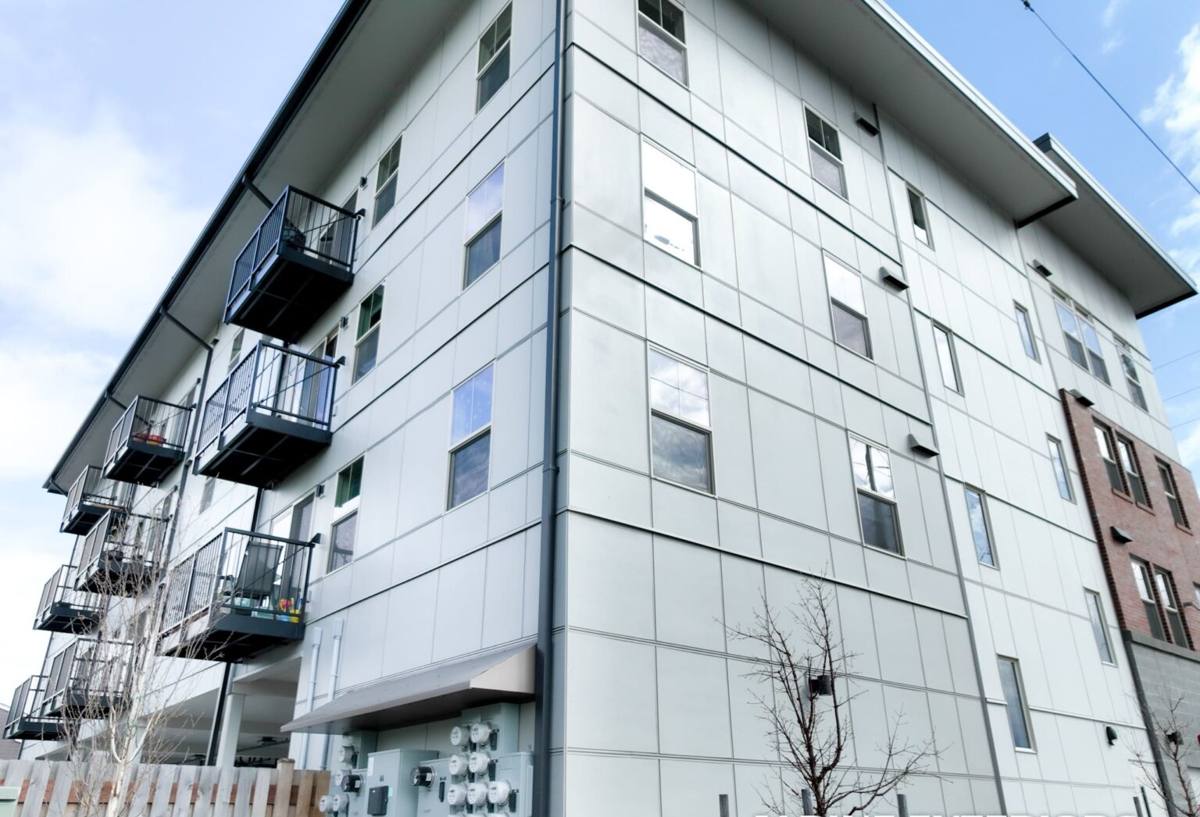
What Sarasota's Climate Actually Does to Siding
Every siding material sold in Florida claims to handle "coastal conditions." Very few are actually engineered for what Sarasota County homes experience on a sustained basis:
Hurricane-Force Wind
Wind isn't just a once-a-season event here — it's a design load. Siding has to stay fastened and intact through sustained high winds and wind-driven debris, and it has to do it without the panels cupping, cracking, or blowing loose at the edges where most failures start.
Constant UV Exposure
Sarasota gets intense, direct sun essentially year-round. UV breaks down pigments and surface coatings faster here than in almost any other part of the country, which is why siding that looks great for a year or two in a showroom can chalk, fade, or go blotchy within a few Florida summers.
Wind-Driven Rain
Rain in Sarasota doesn't fall straight down during storms — it drives sideways into walls, seams, and trim. Any material or installation detail that isn't built to shed water horizontally, not just vertically, becomes a moisture problem behind the siding, not just on it.
Salt Air
The Meadows sits inland from the Gulf, but Sarasota's proximity to open water still means airborne salt reaches every part of the county. Salt accelerates corrosion of fasteners and metal trim and speeds up the breakdown of coatings that aren't formulated to resist it.
Why Fiber Cement Is the Right Call for This Neighborhood
Fiber cement is cement, sand, and cellulose fiber fused into a rigid, dimensionally stable board. It doesn't expand and contract with heat and humidity the way vinyl does, it doesn't rot, warp, or feed insects the way wood-based products can, and it's non-combustible — a genuine advantage in a state where wildfire and lightning-strike risk are part of the insurance conversation. For a neighborhood like The Meadows, where many homes have mature tree canopy overhanging the roofline and yard, non-combustible siding is a material fact that matters, not a marketing point.
We install James Hardie fiber cement exclusively. We don't install vinyl, LP SmartSide, primed wood, cedar, or other fiber cement brands, and we're upfront about why: those materials each carry trade-offs — heat distortion, moisture sensitivity at cut edges, coating longevity, or warranty structure — that we don't think hold up to Sarasota's climate as well as Hardie's engineered product line does. Hardie builds specific formulations for humid, high-UV climates like ours, backs the factory finish with a real warranty, and has decades of installed track record in Florida specifically.
What a Correct Fiber Cement Installation Actually Involves
Fiber cement is only as good as the installation behind it. Most of the siding failures we get called out to inspect in older Sarasota neighborhoods aren't material failures — they're installation shortcuts that showed up years later. A correct job includes:
- Manufacturer-specified clearances between siding and roofing, decks, and grade to keep the board out of standing water and constant splash-back
- Correct fastener type, spacing, and penetration depth — under-driven or over-driven nails are one of the most common causes of premature siding failure
- Properly lapped and sealed house wrap or weather-resistant barrier underneath, inspected before a single board goes up
- Flashing at every window, door, and penetration, installed to shed water outward and downward, not trap it behind the cladding
- Factory-cut and factory-primed edges wherever possible, with any field cuts sealed per manufacturer specification
- Joint and seam treatment that accounts for wind-driven rain intrusion, not just appearance
Skipping any one of these doesn't show up on day one. It shows up in year six or eight, as staining, soft spots, or a warranty claim that gets denied because the installation didn't meet manufacturer requirements.
James Hardie Product Lines That Fit The Meadows' Homes
The Meadows has a mix of home styles from different building eras, and Hardie's product lines cover that range without forcing every house into one look:
HardiePlank Lap Siding
The most common choice for full re-sides — available in multiple textures and exposures, and the workhorse product for matching the traditional lap-siding look many Meadows homes already have.
HardieShingle
Used for accent gables, dormers, and architectural detailing where a home calls for texture variation without switching materials entirely.
HardieTrim
Fascia, corner boards, and trim built from the same fiber cement formulation, so trim doesn't become the weak point in an otherwise upgraded exterior.
ColorPlus Technology
A factory-applied, baked-on finish that resists the fading and chalking that field-applied paint struggles with under Sarasota's UV load, backed by its own finish warranty separate from the substrate warranty.
Our Process for a The Meadows Siding Project
Every project starts with an on-site assessment of the existing siding, the sheathing underneath, and any trouble spots — soft corners, stained trim, gaps around windows — before we ever talk product or price. From there:
- Full removal of failing siding and inspection of the sheathing and structure underneath for hidden moisture damage
- Repair of any compromised sheathing or framing before new material goes on — never siding over a known problem
- Installation of a code-compliant weather-resistant barrier and correct flashing at every penetration
- Installation of James Hardie siding and trim to manufacturer fastening and clearance specifications
- Final inspection walk-through with the homeowner before we consider the job complete
We pull the required permits through Sarasota County for every project — re-siding an existing home is permitted work, not something to skip because "it's just siding."
Cost Factors for a Fiber Cement Project in The Meadows
Every home is different, but the variables that actually move the price are consistent. This is meant to help you understand what you're paying for, not to substitute for an on-site quote:
| Factor | Why It Matters | Effect on Cost |
|---|---|---|
| Condition of existing sheathing | Hidden rot or moisture damage found during tear-off requires repair before new siding goes on | Can add cost if repairs are needed; unknown until removal |
| Home size and story height | More square footage and second-story work both increase labor and equipment needs | Scales cost up directly |
| Siding profile and accent choices | Straight lap siding is more straightforward than mixed lap-and-shingle accent designs | Moderate increase for detail work |
| Trim and architectural detail | Homes with more corners, gables, and trim require more precision cutting and fitting | Increases labor time |
| Color and finish selection | Factory ColorPlus finishes vs. field-painted finishes carry different material costs | Minor to moderate difference |
Maintenance in a Salt Air, High-UV Climate
Fiber cement is low-maintenance, not no-maintenance. A few simple habits keep a Meadows home's siding performing for decades:
- Rinse siding periodically to remove salt residue and airborne grime, especially after dry spells with little rain
- Keep sprinkler heads and irrigation from spraying directly onto siding — constant wetting accelerates wear at the same spot
- Trim back landscaping and tree canopy that keeps siding in constant shade and moisture
- Inspect caulking at trim joints, window and door edges, and penetrations annually, especially after hurricane season
- Address any staining, soft spots, or gaps quickly rather than waiting for them to spread
Why Local Experience in The Meadows Matters
Established Sarasota neighborhoods like The Meadows often come with their own layer of practical knowledge that only shows up from doing the work here repeatedly: knowing the wind speed and fastening requirements Sarasota County inspectors check for, understanding how mature tree canopy and irrigation patterns affect where moisture problems tend to show up first, and being familiar with the architectural review expectations that many established Sarasota communities apply to exterior changes. A crew that's worked this neighborhood before isn't guessing at any of that — they've already accounted for it before the first board goes up.
If your Meadows home's siding is showing its age — fading, staining, soft spots, or just decades of Florida sun — we'd be glad to take a look and walk you through what a correct fiber cement re-side would involve for your specific house. Reach out below for a free, no-pressure estimate.