 Sarasota Siding
 Why Fruitville Roofs Wear Out Faster Than the National Average
Fruitville sits inland from Sarasota Bay but is still fully exposed to everything Southwest Florida throws at a roof: sustained hurricane-force wind events, UV exposure that runs nearly year-round instead of seasonally, sudden wind-driven rain that finds every weak seam, and salt-laden air that travels further inland than most homeowners assume. A roof system designed for a mild climate simply does not hold up here the way it might in other parts of the country. That's true whether your home has an older three-tab shingle roof from decades past or a roof that was installed correctly but is now reaching the end of its realistic service life.
A new roof installation in Sarasota County isn't just about swapping old shingles for new ones. It's an opportunity to correct whatever the original roof got wrong — inadequate ventilation, insufficient fastening for wind uplift, flashing that was never properly sealed — and to build something that's actually engineered for the conditions Fruitville homes live under every single day.
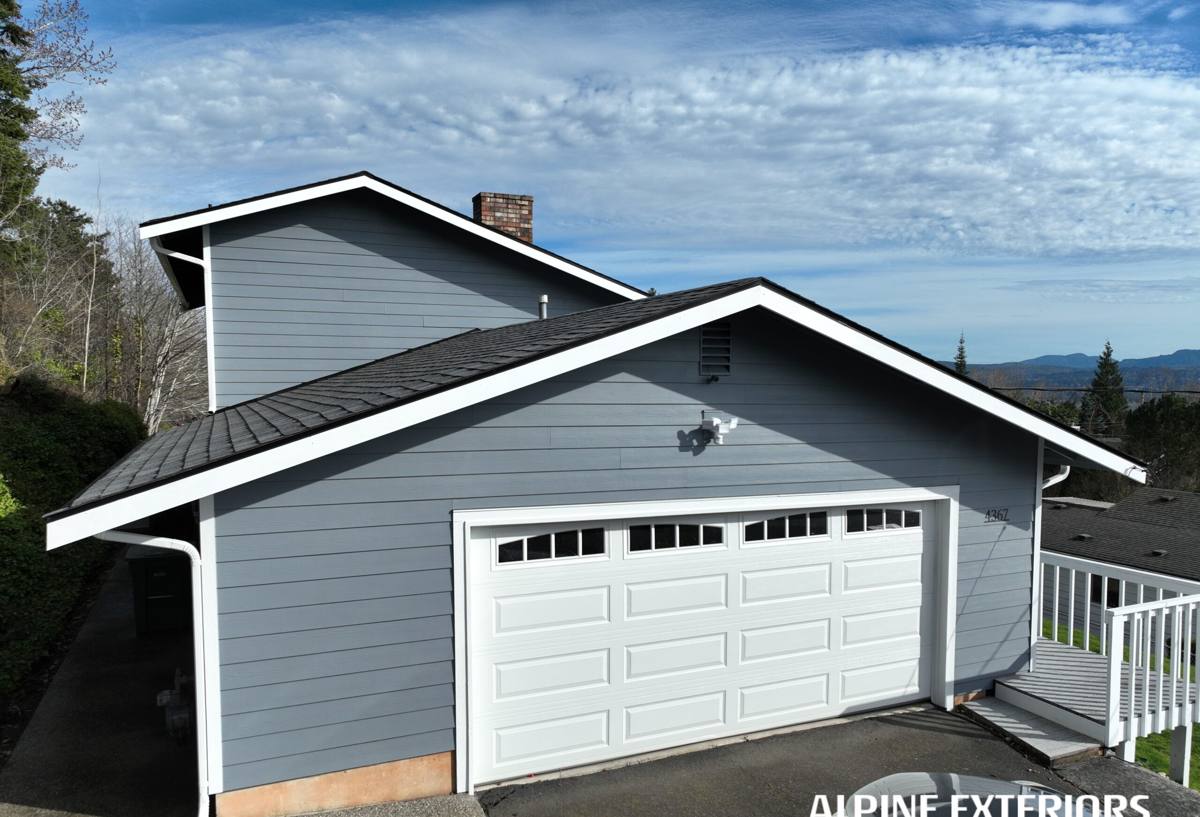
Signs a Fruitville Home Needs Full Replacement, Not Another Repair
Not every roof problem calls for a full tear-off. But there's a point where patching becomes a waste of money, and knowing where that line sits saves homeowners from throwing good money after bad.
Indicators a repair won't solve the problem
- Granule loss heavy enough that shingles look patchy or bald in multiple areas, not just one isolated spot
- Curling, cracking, or cupping shingles across large sections of the roof rather than a single damaged run
- Repeated leaks in different locations after previous repairs — a sign the underlayment or decking has failed broadly
- Visible daylight through the roof deck from the attic, or soft/spongy decking underfoot
- A roof already at or past the manufacturer's expected service life for its material and local exposure
- Storm damage significant enough that an insurance adjuster is recommending replacement over repair
If only one or two of these apply and the roof is otherwise sound, a targeted repair may still make sense. When several apply at once, replacement is almost always the more honest recommendation, even though it's the bigger investment up front.
What a Correct New Roof Installation Actually Involves
The finished shingles or panels are the part everyone sees, but they're only one layer of a roof system. A roof that fails early in this climate almost always failed because of what's underneath, not the surface material itself.
The layers that actually determine how long a roof lasts here
A properly installed roof includes a full tear-off to bare decking (never installing over an existing layer), inspection and replacement of any damaged or rotted decking, a self-adhered or synthetic underlayment rated for wind-driven rain, corrosion-resistant flashing at every valley, wall, chimney, and penetration, and a fastening pattern that meets or exceeds Florida Building Code wind-uplift requirements for our zone. Balanced attic ventilation — intake at the eaves, exhaust at the ridge — matters just as much, since a hot, poorly ventilated attic bakes shingles from underneath and shortens their life regardless of what's rated on the product label.
Skipping or shortcutting any one of these layers is how a roof that looks fine for a year or two starts leaking, lifting, or losing shingles in the first real storm.
Roofing Material Options for Fruitville Homes
There's no single "best" roofing material — the right choice depends on budget, how long you plan to stay in the home, and how much long-term maintenance you're willing to take on. Here's an honest comparison of the options we most commonly install or discuss with homeowners in this area.
| Material | Typical Lifespan Here | Wind Performance | Maintenance |
|---|---|---|---|
| Architectural asphalt shingle | 15–25 years | Good, when properly fastened and rated for the zone | Low to moderate |
| Metal (standing seam or panel) | 30–50 years | Excellent | Low |
| Tile (concrete or clay) | 30–50 years | Very good, but underlayment fails before tiles do | Moderate — underlayment needs periodic attention |
| Flat/low-slope membrane (for porches, additions) | 15–20 years | Good, depends on installation and slope | Moderate |
We don't push homeowners toward one product across the board. Tile looks great and holds up structurally, but its underlayment — the actual waterproofing layer — has a shorter service life than the tile itself, so a tile roof needs that underlayment addressed on its own timeline, not the tile's. Metal costs more up front but often makes sense for anyone planning to stay in the home long-term. Architectural shingle remains the most common choice because it balances upfront cost, appearance, and proven wind performance when installed to spec.
Our Installation Process, Step by Step
1. On-site assessment
We walk the roof, check the decking condition where accessible, look at ventilation, and talk through what's driving the need for replacement — age, storm damage, or ongoing leaks.
2. Written scope and estimate
You get a clear, itemized estimate before any work starts. No verbal promises that don't make it onto paper.
3. Permitting
Sarasota County requires a permit for roof replacement, and the installation has to meet current Florida Building Code wind-uplift and product-approval requirements for our zone. We handle this as part of the job.
4. Tear-off and deck inspection
Old material comes off down to the deck, and any compromised decking is identified and replaced before anything new goes down.
5. Underlayment, flashing, and ventilation
This is the part of the job that determines how the roof actually performs in a storm, done correctly and in the right sequence.
6. Final material installation and inspection
Shingles, panels, or tile go on to manufacturer spec, followed by a final walk-through and county inspection where required.
Permits, Wind Codes, and Insurance in Sarasota County
Every full roof replacement in Sarasota County requires a permit, and the work has to comply with the wind-uplift and product-approval standards set under the Florida Building Code for our region. This isn't paperwork for its own sake — it's what stands between a roof that survives a major wind event and one that doesn't.
It also matters for insurance. Many carriers now ask for documentation showing the roof was installed to current code, particularly for wind mitigation credits or for underwriting a new or renewed policy. A permitted, code-compliant installation gives you a paper trail that protects you both in a storm and at renewal time.
Timeline and What to Expect During the Project
A straightforward residential re-roof in this area typically runs a few days from tear-off to final inspection, weather permitting — Florida's rain patterns can push that out, and we'll be upfront if that's likely for your project. Expect noise and vibration throughout the workday, a dumpster or debris trailer on site, and a full cleanup pass including a magnetic sweep for nails before we consider the job finished. We'll walk you through what to expect for your specific home before work begins so there are no surprises once the crew arrives.
Why a Crew That Already Works Fruitville Matters
Roofing code, wind-zone requirements, and permitting steps aren't identical everywhere in Florida, let alone the country. A crew that regularly works Sarasota County jobs already knows the local permitting office's expectations, the inspection process, and the wind-uplift standards that apply to this specific area — which means fewer delays and fewer surprises on your project. Local experience also means we've seen how different materials and installation details actually hold up here over years, not just what a manufacturer's spec sheet claims in ideal conditions.
Protecting Your New Roof After Installation
A correctly installed roof still benefits from basic upkeep. A short annual routine goes a long way in this climate:
- Have gutters and downspouts cleared regularly so water isn't backing up under the roof edge
- Trim back overhanging branches that can abrade shingles or drop debris during storms
- Schedule a visual inspection after any major named storm, even if there's no obvious interior leak
- Watch for granule buildup in gutters, which can signal accelerated shingle wear
- Keep attic ventilation clear and unobstructed by stored items or insulation blocking intake vents
If you're weighing repair versus replacement, or just want an honest look at where your current roof stands, we're happy to come out and take a look. The estimate is free, there's no pressure to commit on the spot, and you'll get a straight answer about what your roof actually needs — simply fill out the form below to get started.