 Sarasota Siding
 Roof Repair Built for Fruitville's Climate
Fruitville sits inland from the coast but still takes a beating from everything Sarasota County weather throws at a roof. Intense, near-constant UV exposure bakes shingles and dries out sealants faster than most homeowners expect. Wind-driven rain during summer storms and tropical systems finds its way into flashing gaps and aging underlayment. And even away from the immediate shoreline, salt-laden air moving inland off the Gulf accelerates corrosion on metal fasteners, vents, and flashing. A roof repair here isn't just patching a leak — it's addressing a system that's under constant environmental load.
Homes in this part of Sarasota County range from older ranch-style houses with original architectural shingles to newer construction with tile or metal roofing. Each material responds differently to heat cycling, wind uplift, and moisture intrusion, which means a repair that works on one roof type can be the wrong approach on another. Getting it right starts with understanding what's actually failing and why.
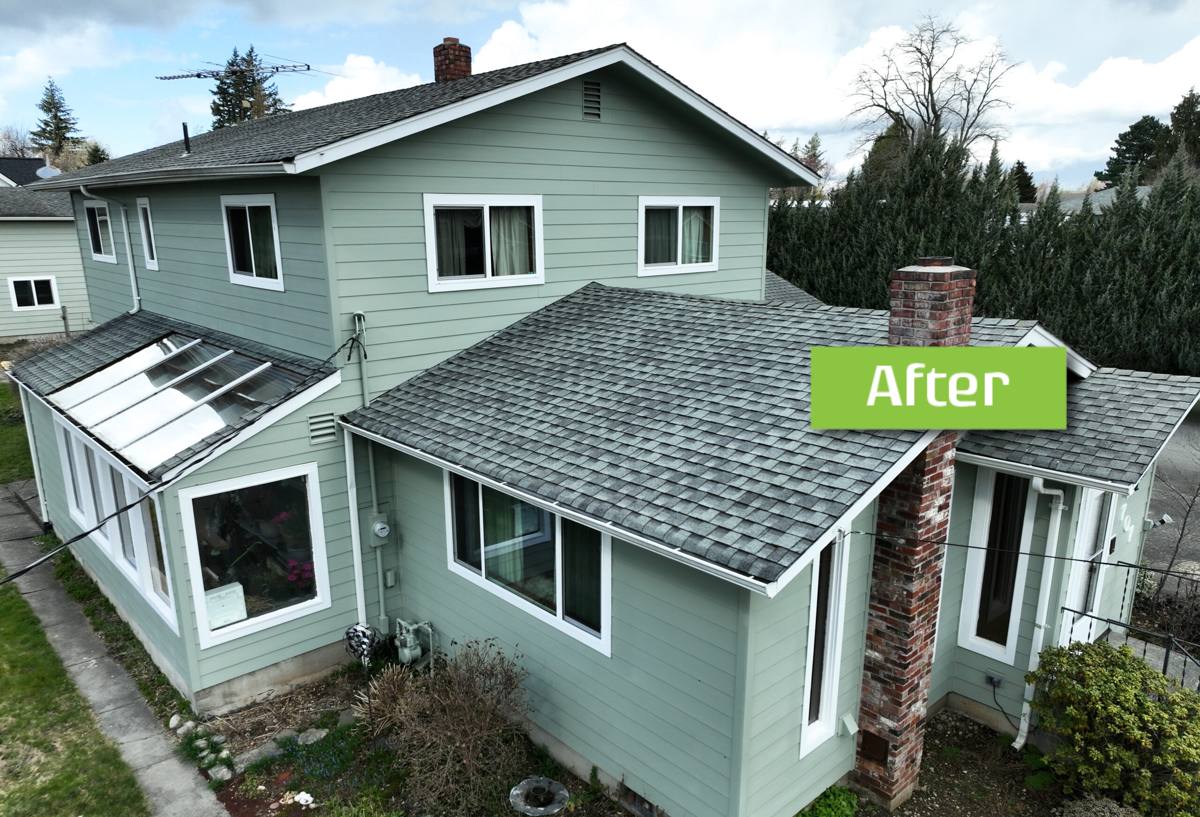
Signs a Fruitville Roof Needs Repair
Most roof problems don't announce themselves with a dramatic leak on day one. They show up as small, easy-to-miss signs first. Catching these early is what keeps a repair a repair, instead of letting it turn into a full replacement.
- Granules collecting in gutters or at the base of downspouts (a sign of shingle wear from UV exposure)
- Curling, cracking, or lifted shingle edges, especially on south- and west-facing slopes
- Discoloration or staining on interior ceilings, even faint or old-looking marks
- Visible gaps, rust streaks, or lifted metal around flashing at chimneys, walls, and roof valleys
- Cracked or slipped tiles, particularly after high-wind events
- Soft spots or sagging when walked on or viewed from a ladder
- Daylight visible through the attic decking, or damp insulation
- Missing or displaced ridge caps after a storm
Any one of these on its own may not mean much. Two or three together, especially after a summer storm season, usually means water has already found a way past the roof's outer defenses and it's worth having someone look before the next heavy rain.
What a Correct Roof Repair Actually Involves
It Starts With Finding the Real Source
Water rarely leaks straight down from where it enters. It can travel along rafters, decking, or underlayment before showing up as a stain on a ceiling several feet away. A repair that only patches the visible stain location without tracing the actual entry point is a repair that comes back. A correct process starts on the roof itself — checking flashing, penetrations, valleys, and shingle or tile condition in the area upslope from any interior damage.
Matching the Existing System
Roofing is a layered system: decking, underlayment, flashing, and the surface material all work together. A repair needs to integrate with what's already there rather than just cap it. That means using compatible underlayment, properly lapped and sealed flashing, and surface material that matches the existing roof closely enough that it sheds water the same way the surrounding roof does — not just patched over the top of it.
Addressing the Cause, Not Just the Symptom
If shingles failed early because of poor attic ventilation trapping heat, replacing just the shingles without addressing airflow means the next section will fail on the same timeline. A thorough repair looks at what caused the damage — sun exposure, wind uplift, ventilation, or age — and fixes that underlying issue where it's reasonably within scope of the repair.
Common Roof Types in Fruitville and What Affects Their Repairs
The right repair approach depends heavily on what the roof is made of. Here's how the common types found on Fruitville homes typically hold up and what tends to need attention.
| Roof Type | Common Failure Points | Typical Repair Focus |
|---|---|---|
| Asphalt Shingle | UV-driven granule loss, curling, wind-lifted edges, worn flashing seals | Section replacement of damaged shingles, re-sealing and re-flashing penetrations |
| Concrete/Clay Tile | Cracked or slipped tiles from wind or foot traffic, failed underlayment beneath intact tile | Individual tile replacement, underlayment repair without disturbing surrounding tile |
| Metal Panel/Standing Seam | Fastener backout, sealant failure at seams and penetrations, minor corrosion from salt air | Fastener replacement, seam and penetration re-sealing, spot corrosion treatment |
| Flat/Low-Slope | Ponding water, membrane seams opening, UV degradation of coating | Membrane patching, seam re-sealing, drainage correction |
Tile roofs deserve a specific note: the tile itself often outlasts the underlayment beneath it. A homeowner may see intact tile and assume the roof is fine while the actual waterproofing layer underneath has already failed. This is a common source of surprise leaks on older tile roofs in this area.
Our Roof Repair Process
1. On-Roof and Attic Inspection
We look at the roof surface and the attic space, since interior signs of moisture, insulation condition, and decking often tell us more than the surface alone. This is also when we check ventilation, since heat buildup plays a real role in premature shingle failure in Florida's climate.
2. Clear Explanation of Findings
Before any work starts, we walk through what we found, what's causing it, and what the repair will actually involve. If a section is beyond a reasonable repair and heading toward replacement territory, we say so directly rather than patching something that won't hold.
3. The Repair Itself
Work is done to match the existing roof system — proper flashing laps, correctly fastened and sealed materials, and surface repairs that blend with the surrounding roof rather than standing out as an obvious patch.
4. Final Check
Once work is complete, we confirm the repair area, adjacent flashing, and any related ventilation or drainage points are functioning as they should before considering the job done.
Repair or Replacement: How We Help You Decide
Not every roof problem needs a full replacement, and not every leak can be permanently solved with a patch. The honest answer depends on the roof's age, how widespread the damage is, and whether the underlying materials (decking, underlayment) are still sound.
| Factor | Leans Toward Repair | Leans Toward Replacement |
|---|---|---|
| Roof age | Under 12-15 years for shingle, well within lifespan for tile/metal | Near or past expected material lifespan |
| Damage extent | Localized to one section or penetration | Spread across multiple slopes or recurring in different spots |
| Decking condition | Solid, no rot or soft spots | Soft, delaminated, or water-damaged decking found underneath |
| Storm history | Isolated wind or debris damage | Repeated storm damage claims over recent years |
We'd rather do an honest, well-executed repair on a roof that has years of service life left than push a replacement it doesn't need. Cost ranges for repairs vary widely depending on material, accessibility, and extent of the damage, which is why we look at the actual roof before giving a number rather than quoting blind.
Materials and Workmanship Standards
We use repair materials rated for Florida sun and wind exposure, matched as closely as possible to the roof's existing shingle, tile, or panel profile so the repair doesn't stand out or create a mismatched wear pattern down the road. Flashing work follows manufacturer specifications for lap and fastening, since flashing is one of the most common points of future failure when repairs are done in a hurry. We don't cut corners on underlayment or sealant products just because a repair is smaller in scope than a full roof job — a repair section fails just as fast as a whole roof if it's built with shortcuts.
Why Local Fruitville Experience Matters
A roof repaired by a crew unfamiliar with Sarasota County's specific weather pattern — the combination of intense sun exposure, sudden downpours, and periodic tropical-storm-force wind — tends to get the surface fix right but miss the details that matter here: proper ventilation for heat, flashing built to handle wind-driven rain rather than just vertical rainfall, and fastening that accounts for the wind uplift forces common in this region. Working regularly in and around Fruitville means we've seen how local roofs age under these specific conditions and what actually holds up versus what looks fine for a season and then fails.
After the Repair: Keeping It Holding Up
A repair is only as good as what happens after it. A few habits go a long way toward protecting the work and the rest of the roof:
- Keep gutters and downspouts clear so water doesn't back up under roof edges
- Trim back overhanging branches that drop debris or create shade patches that trap moisture
- Have the roof looked at after any major storm, even if there's no obvious interior sign of a leak
- Watch attic ventilation, especially before peak summer heat, since poor airflow shortens shingle life
- Address small issues (a lifted shingle, a loose fastener) promptly rather than waiting for a leak to form
Roofs in this climate don't fail all at once — they wear down through repeated cycles of heat, UV, and storm stress. Staying ahead of small issues is almost always cheaper and less disruptive than waiting for a bigger problem to surface.
Get an Honest Look at Your Roof
If you're seeing signs of wear, storm damage, or a leak in your Fruitville home, we're happy to take a look and give you a straight assessment of what's actually going on and what it will take to fix it right. Fill out the form below for a free, no-pressure estimate.