 Sarasota Siding
 Window Replacement Built for Fruitville, Not a Generic Climate
Fruitville sits inland from the coast but still lives under the same Gulf-driven weather that shapes every home in Sarasota County: long stretches of intense UV, seasonal tropical systems capable of hurricane-force wind gusts, sideways wind-driven rain, and salt-laden air that travels farther inland than most homeowners assume. Windows here don't fail for the same reasons windows fail in a mild climate. They fail because the glazing seals bake and crack under UV exposure, because water finds its way past aging flashing during a wind-driven storm, or because hardware and frames corrode faster than the manufacturer's warranty ever accounted for. A window replacement done right in Fruitville has to be specified and installed for these exact conditions — not just swapped in because the old one is drafty.
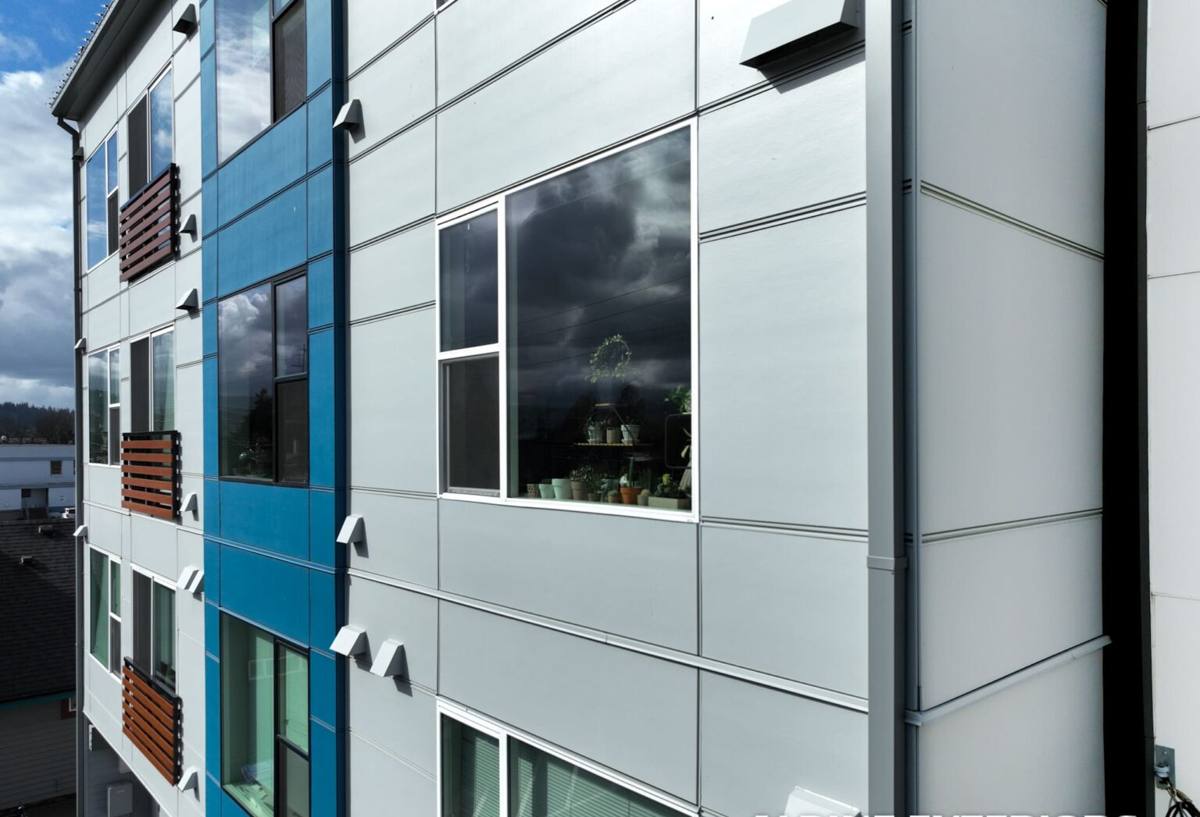
What This Climate Actually Does to a Window
UV and Heat Cycling
Florida sun is not a seasonal problem — it's a year-round one. Constant UV exposure breaks down vinyl frames, dries out glazing seals, and accelerates the failure of insulated glass units (the sealed air gap between panes). Once that seal fails, you get fogging between the panes that no amount of cleaning will fix. Heat cycling — hot days, cooler nights, air conditioning running constantly — also stresses frame materials and can loosen fasteners over years.
Wind-Driven Rain
Rain in this region rarely falls straight down during a storm. Wind pushes it sideways and up under trim, sills, and poorly lapped flashing. A window can be perfectly weathertight in a calm rain and still leak during a squall if the flashing details weren't done correctly at install. This is one of the most common reasons we get called to inspect a "leaking window" that turns out to be a flashing problem, not a window problem.
Hurricane-Force Wind and Pressure
Even homes that never take direct storm impact still get exposed to strong straight-line winds and the pressure changes that come with them. Windows need to hold up structurally to wind load and, depending on the home's exposure, resist wind-borne debris. This is a structural and code question as much as a comfort question.
Salt Air
Fruitville is inland of the immediate coastline, but Gulf salt air still travels on prevailing winds and settles on hardware, screens, and frame components. Over years, this accelerates corrosion on lower-grade fasteners, hinges, and locking hardware — a slow problem that shows up as stuck sashes, failing locks, and pitted metal long before the glass itself is an issue.
What a Correct Window Replacement Actually Involves
Replacing a window is not just unscrewing an old unit and caulking in a new one. A correct job in this climate has several non-negotiable steps:
- Full removal and opening inspection — checking the rough opening, sill, and surrounding framing for hidden water damage or rot before anything new goes in.
- Proper flashing and waterproofing — sill pans, integrated flashing tape, and correct shingle-lap sequencing so water is directed out, not trapped behind the new window.
- Correct fastening for wind load — using fasteners and anchoring methods sized to the window's rating and the wall structure, not whatever is fastest.
- Sealed, tested installation — sealant compatible with the frame material, applied in the right locations (not everywhere — over-sealing can trap water instead of shedding it).
- Interior and exterior finish work — trim, stucco or siding patch-back, and paint matching so the replacement doesn't look like a patch job.
Skipping any one of these steps is how a "new window" ends up with the same water intrusion or drafts as the old one, just hidden behind fresh caulk for a year or two.
Impact-Rated Windows vs. Standard Windows Plus Shutters
Homeowners in Sarasota County generally have two paths to meeting wind and debris protection needs: impact-rated windows with laminated glass, or standard windows paired with separate shutter protection. Both can be code-compliant depending on the specific product and installation, but they behave very differently day to day.
| Factor | Impact-Rated Windows | Standard Windows + Shutters |
|---|---|---|
| Storm prep effort | None — always in place | Shutters must be installed before every storm |
| Daily UV/noise performance | Laminated glass also cuts UV and outside noise | No added benefit outside of storm events |
| Upfront cost | Higher per window | Lower window cost, added shutter cost |
| Home security | Laminated glass resists forced entry | Standard glass, no added security |
| Appearance | Clean, unobstructed year-round | Shutter hardware visible on exterior |
| Long-term maintenance | Frame and seal maintenance only | Shutter tracks, panels, and hardware also need upkeep |
Neither option is universally "right" — it depends on your budget, how the home is oriented, and how much ongoing effort you want to put into storm prep every season. We'll walk through both honestly rather than pushing whichever carries a better margin.
Frame and Glass Options Worth Understanding
Frame material matters as much as glass in this climate. Vinyl is common and cost-effective but varies widely in UV-stabilizer quality between manufacturers — a cheap vinyl frame can chalk and warp within a few Florida summers, while a properly formulated one holds up for decades. Fiberglass and quality aluminum frames tend to resist heat and UV distortion better but carry a higher price point. We install based on what a manufacturer's product data and warranty actually support for this climate, not on brand marketing alone.
Glass Considerations
Beyond impact resistance, look at Low-E coatings (they reduce solar heat gain, which matters a lot when the AC is running most of the year) and the overall U-factor and Solar Heat Gain Coefficient ratings on the window's label. These numbers tell you more about real-world comfort and energy performance than any sales pitch.
Our Process for Fruitville Homeowners
- On-site assessment — we inspect existing windows, openings, and any visible water or wind damage, and talk through what's actually driving the need for replacement.
- Product and budget discussion — impact vs. non-impact, frame material, glass package, laid out with honest tradeoffs and a written estimate.
- Measurement and ordering — precise measurements to avoid gaps that create future leak points.
- Removal and opening prep — old units out, opening inspected and repaired if needed before anything new goes in.
- Installation — flashing, fastening, and sealing done to manufacturer specification and wind-load requirements.
- Finish and walkthrough — trim and paint matched, every window operated and checked with you before we consider the job done.
Permitting and Code Considerations in Sarasota County
Window replacement in Sarasota County typically requires a permit, and the applicable wind and impact requirements depend on your home's location, age, and the county's current adopted edition of the Florida Building Code. This isn't a detail to skip — permitted, inspected work protects you at resale and with insurance, while unpermitted replacement can create problems years later when you go to sell. We handle the permitting process and coordinate inspections as part of the job, and we're happy to explain exactly what applies to your specific address before any contract is signed.
Signs a Fruitville Home May Need Window Replacement
- Fogging or a milky haze between the glass panes (failed seal, can't be cleaned away)
- Visible warping, chalking, or discoloration on frames after years of sun exposure
- Water staining on interior sills or drywall near windows after wind-driven rain
- Windows that are difficult to open, close, or lock — often a sign of corroded hardware or frame movement
- Noticeable draft or temperature difference near windows even with the AC running
- Rising energy bills without another clear explanation
- Visible gaps, cracked caulk, or separating trim around the frame
Why It Matters to Hire a Crew That Already Works This Area
A window replacement crew that regularly works Fruitville and greater Sarasota already understands the flashing details, wind considerations, and permitting expectations specific to this climate and jurisdiction — that's not something you have to explain or hope they figure out. It also means faster response for follow-up service, a real understanding of what the county inspector will be looking for, and installation practices already tuned to Gulf Coast conditions rather than generic techniques borrowed from a milder climate. That local familiarity shows up in fewer callbacks and windows that actually perform the way they're supposed to for the next storm season and the one after that.
If your windows in Fruitville are showing their age or you're planning ahead of hurricane season, we're glad to walk your home, answer questions honestly, and put together a written estimate — no pressure, no obligation. Use the form below to get started.