 Sarasota Siding
 Roofing Built for Gulf Gate Estates, Not Just "Florida"
Gulf Gate Estates sits close enough to the Gulf that salt-laden air, heavy summer humidity, and wind-driven rain are part of daily life for every roof in the neighborhood. A new roof installation here isn't just about swapping old shingles for new ones — it's about matching the roof system to what this specific pocket of Sarasota County throws at a house year-round. Homes in this area see a mix of roof ages and styles, from original mid-century construction to additions and renovations layered on over the decades, and each one needs an installation plan that accounts for its structure, attic ventilation, and current condition, not a one-size-fits-all package.
When we install a roof in Gulf Gate Estates, we're thinking about the same four stressors on every job: sustained hurricane-force wind uplift, intense UV exposure nearly every day of the year, wind-driven rain that finds any gap in flashing or underlayment, and the slow corrosive effect of salt air on fasteners and metal components. Skipping any one of those considerations is how roofs that "look fine" end up failing five years early.
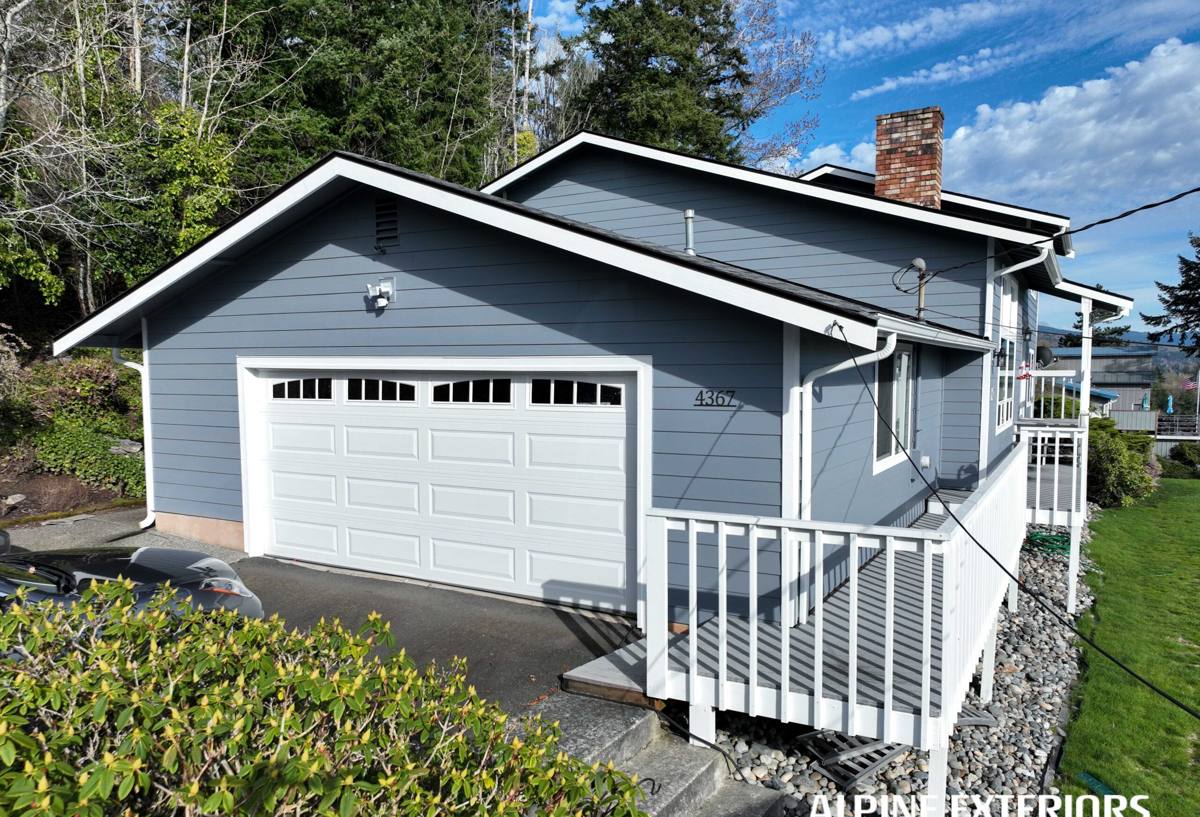
What Gulf Gate Estates Homes Actually Need From a New Roof
Wind Resistance That Matches the Real Exposure
Sarasota County building code sets minimum wind-uplift standards, but code minimums are a floor, not a target. A roof installed a mile or two inland behaves differently than one closer to open water, and Gulf Gate Estates' proximity to the coast means we lean toward higher wind-rated shingle lines, enhanced nailing patterns, and sealed underlayment systems rather than the bare minimum a permit will pass.
UV Stability Over the Long Haul
Florida sun degrades roofing materials faster than almost anywhere else in the country. Asphalt shingles lose granules and flexibility under sustained UV exposure, and cheaper felt underlayments can dry out and crack years before the shingles above them wear out. We install products rated for high-UV climates and pair them with synthetic underlayments that hold up better than old-style felt in extended heat.
Wind-Driven Rain Protection
Straight-down rain is easy for almost any roof to shed. Wind-driven rain — the kind that comes in sideways during a tropical system or even a strong summer storm — is what actually causes leaks, because it can work its way under shingle tabs and through poorly sealed flashing. That's why flashing detail and underlayment overlap matter more here than the shingle brand itself.
Salt Air and Metal Components
Every metal part of a roof — drip edge, flashing, vent stacks, fasteners — is exposed to salt air that accelerates corrosion. We spec corrosion-resistant metals and coated fasteners rather than standard-grade hardware, because a roof is only as durable as its weakest metal component.
Signs a Gulf Gate Estates Roof Needs Full Replacement, Not Another Repair
- Granule loss heavy enough that shingles look patchy or bald in sun-exposed sections
- Shingles that are cupping, curling at the edges, or cracking when touched
- Repeated leaks in different spots after storms, rather than one isolated failure point
- Visible sagging along the roofline or soft spots felt when walking the attic deck
- Roof age past 18-20 years for architectural shingles, even if it "looks okay" from the ground
- Rusting or corroded flashing, vent boots, or fasteners visible from the attic or eaves
- Rising energy bills tied to a roof deck that's lost its reflective and insulating value
Our New Roof Installation Process
1. On-Site Inspection and Honest Assessment
We start by getting on the roof and in the attic, not just walking the yard with a clipboard. We check deck condition, existing ventilation, flashing points, and any signs of past leak damage before recommending full replacement. If a targeted repair would genuinely solve the problem, we'll say so — replacement should be the right call, not the default sales pitch.
2. Material Selection Based on Your Home and Budget
We walk through the realistic options for your roof structure, budget, and how long you plan to stay in the home, explaining the real trade-offs between materials rather than pushing whatever has the best margin.
3. Tear-Off and Deck Inspection
Full tear-off lets us actually see the deck, which is the part of the roof system a homeowner never sees once shingles go back on. Any soft, rotted, or water-damaged decking gets identified and replaced before a single new shingle goes down — installing new roofing over a compromised deck just hides the problem and shortens the life of the whole system.
4. Underlayment and Flashing First
This is where most of a roof's real wind and water resistance comes from. We install synthetic underlayment with proper overlap, ice-and-water-shield-style protection at vulnerable areas like valleys and roof-to-wall transitions, and new flashing at every penetration — chimneys, vent stacks, skylights — rather than reusing old flashing to save time.
5. Shingle Installation to Wind-Rated Nailing Specs
Nailing pattern and fastener count directly determine a roof's wind-uplift rating. We follow manufacturer specs for high-wind installation, not the minimum pattern that just passes inspection.
6. Ventilation Check
Proper attic ventilation affects both energy costs and shingle lifespan — trapped heat cooks shingles from underneath. We verify intake and exhaust ventilation are balanced before calling the job complete, and adjust it if the existing setup is inadequate.
7. Final Walkthrough and Cleanup
We walk the finished roof and the property with you, including a magnetic sweep for stray nails, before considering the job done.
Material Options for Gulf Gate Estates Homes
| Material | Typical Lifespan | Wind Performance | Maintenance Considerations |
|---|---|---|---|
| Architectural asphalt shingles | 20-30 years | Good, with high-wind-rated lines available | Periodic inspection after major storms; most cost-effective option |
| 3-tab asphalt shingles | 15-20 years | Lower wind rating than architectural shingles | Less UV and wind tolerance; budget option, not our default recommendation for coastal exposure |
| Standing seam metal | 40-50+ years | Excellent, among the highest wind ratings available | Higher upfront cost; minimal ongoing maintenance |
| Tile (concrete or clay) | 40-50+ years | Very good when properly fastened | Heavier structural load; individual tiles can crack from impact |
We don't push metal or tile as universally "better" — they cost significantly more upfront, and architectural asphalt shingles rated for high wind zones are a genuinely solid, cost-effective choice for most Gulf Gate Estates homes. The right answer depends on your budget, how long you're planning to stay in the home, and your roof's structural specifics.
What Drives the Cost of a New Roof Here
Every roof is priced individually after inspection, but a few factors consistently move the number up or down in this neighborhood:
- Roof size and pitch — steeper roofs take longer and require more safety setup
- Number of layers being removed — tear-off of multiple old layers adds labor and disposal cost
- Deck condition — rotted decking discovered during tear-off adds material and labor
- Material choice — architectural shingles, metal, and tile carry very different price points
- Roof complexity — valleys, dormers, chimneys, and skylights all add flashing work
- Ventilation upgrades — adding or correcting attic ventilation as part of the job
We give straightforward, itemized pricing after an on-site look — not a phone-quote guess and not a lowball number that grows once the crew is already tearing shingles off.
Why Local Experience in Gulf Gate Estates Matters
A crew that already works this neighborhood knows the general housing stock, the permitting process through Sarasota County, and what actually holds up against the specific combination of coastal wind, salt air, and storm exposure this area gets. That's different from a crew that installs roofs across a wide swath of Florida with no particular familiarity with this pocket of the county. Local experience also means we're accountable — we're not driving in from out of the area for one job and disappearing if something needs a follow-up look after the next big storm.
Insurance, Permits, and Paperwork
A full roof replacement in Sarasota County requires a permit, and we handle that process as part of the job rather than leaving it on the homeowner. If you're working with an insurance claim — whether from storm damage or age-related deterioration — we provide the documentation and photos an adjuster typically needs, and we're straightforward about what a policy is likely to cover versus what falls to the homeowner. We don't inflate estimates to chase insurance payouts; we price the job the same whether it's insurance-funded or paid directly.
Simple Roof Care Between Now and Replacement Day
- Have the roof inspected after any major storm, not just when a leak shows up
- Keep gutters and valleys clear so water doesn't pool or back up under shingles
- Trim back overhanging branches that drop debris or scrape shingles in wind
- Address small leaks immediately — water damage to decking spreads faster than most homeowners expect
- Don't wait for a roof to fail completely before budgeting for replacement; planning ahead means better material and scheduling choices
If your Gulf Gate Estates home is due for a new roof, we're glad to come take an honest look and walk you through what we find — no pressure, no inflated scare tactics, just a straightforward assessment and a written estimate. Use the form below to request a free evaluation.