 Sarasota Siding
 Asphalt Shingle Roofing Built for Lakewood Ranch's Climate
Lakewood Ranch sits inland from the coast, but "inland" doesn't mean sheltered. Homes here still take a beating from hurricane-force winds during storm season, wind-driven rain that finds every weak seam in a roof system, and some of the most intense year-round UV exposure in the country. Add in the salt air that drifts across Sarasota County from the Gulf, and you have a combination that ages an improperly installed asphalt shingle roof years faster than the same product installed correctly. This page is about doing that installation correctly, specifically for Lakewood Ranch homes, not just selling shingles.
Asphalt shingles remain one of the most practical roofing choices for this area when the underlying system — decking, underlayment, flashing, ventilation, and fastening — is built to hold up under wind uplift and repeated wet-dry cycling. A shingle roof that looks fine from the driveway can still be failing underneath if any of those components were rushed or skipped.
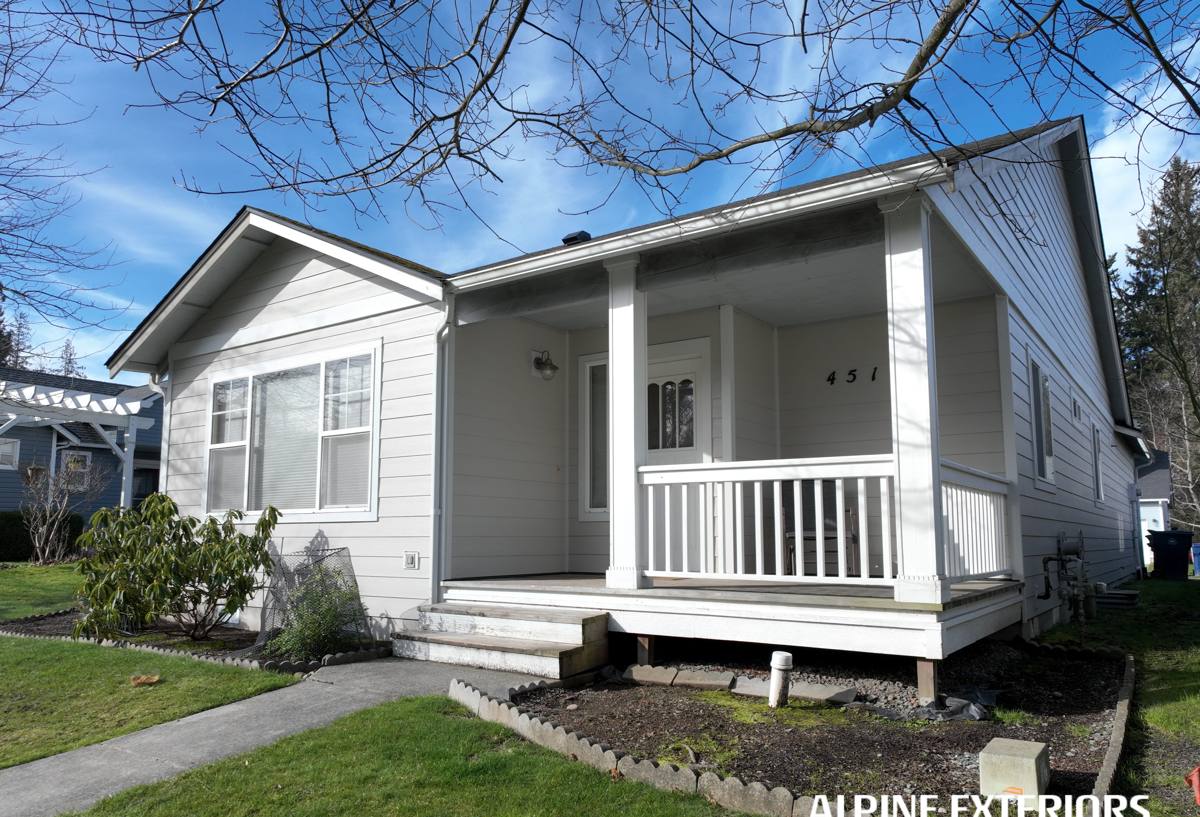
What a Correct Shingle Roof Actually Involves Here
A shingle roof is a system, not a single product. In a climate like ours, every layer has a job to do, and skipping one shortens the life of all the others.
Underlayment and the Secondary Water Barrier
Wind-driven rain in a tropical storm doesn't fall straight down — it gets pushed sideways and up under shingle tabs. A synthetic underlayment (or a self-adhering membrane at eaves, valleys, and penetrations) gives the roof a real second line of defense if wind ever lifts or damages the shingles themselves. This layer is largely invisible once the job is done, which is exactly why it's the layer most likely to get shortchanged by a crew in a hurry.
Nailing Pattern and Wind Rating
Shingles are only as wind-resistant as their installation. Florida Building Code sets nailing and fastening requirements based on wind zone, and Sarasota County enforces those requirements through permitting and inspection. A shingle rated for high wind speeds that's under-nailed or nailed in the wrong pattern will not perform to that rating. We install to the manufacturer's high-wind nailing pattern and the county's inspection requirements, not just "enough nails to pass a glance."
Flashing and Penetrations
Most shingle roof leaks don't start in the open field of the roof — they start at flashing: chimneys, skylights, plumbing vents, and wall-to-roof transitions. Reusing old, corroded flashing to save time on a re-roof is a common shortcut that shows up as a leak a year or two later. We replace flashing as part of a full shingle roof replacement rather than working around it.
Attic Ventilation
Florida's summer heat pushes attic temperatures well above outdoor air temperature. Without balanced intake and exhaust ventilation, that heat bakes the underside of shingles, accelerates granule loss, and can void manufacturer warranties. Ventilation is not an upgrade — it's part of a correctly built roof.
Lakewood Ranch's HOA and Architectural Standards
Lakewood Ranch is a large master-planned community, and most of its neighborhoods and villages operate under deed restrictions and architectural review. That typically means shingle color, style, and sometimes manufacturer need approval before work begins, and the approval process can add time to a project if it isn't planned for up front.
We build the HOA step into the schedule rather than treating it as an afterthought: confirming what documentation your specific community requires, submitting samples or spec sheets in the format the review board expects, and sequencing the work so material delivery lines up with approval instead of sitting on a truck waiting on paperwork. Homeowners in older, non-restricted pockets of the area may not deal with this at all — we'll tell you plainly whether it applies to your property before we quote the job.
Signs Your Shingle Roof Needs Attention
Most shingle roof failures give warning signs well before a leak shows up on the ceiling. Worth checking for, or asking a roofer to check for, on any home in this region:
- Curling, cupping, or lifted shingle edges, especially on the roof faces that catch the most afternoon sun
- Bald spots where UV and heat have stripped protective granules down to bare asphalt
- Exposed or popped nail heads, which are common entry points for wind-driven rain
- Dark streaking or algae growth, which affects appearance but can also signal moisture retention
- Missing or torn shingles after any named storm or strong wind event, even if no leak followed
- Soft or spongy spots underfoot when walking the roof, indicating decking damage below
- Visible daylight or water staining in the attic, particularly around chimneys and vents
- A noticeable jump in cooling costs, which can point to failing ventilation or insulation exposure
Any one of these on its own isn't necessarily urgent, but two or three together usually mean it's time for a professional inspection rather than a wait-and-see approach.
Our Process for a Lakewood Ranch Shingle Roofing Project
1. Inspection and Honest Scope
We start on the roof, not in a sales pitch. That means checking decking condition, existing ventilation, flashing details, and the general wear pattern before recommending repair versus full replacement. If a repair genuinely solves the problem, we say so.
2. Tear-Off and Deck Assessment
A full tear-off lets us see the decking directly, rather than guessing at its condition from the attic. Soft, delaminated, or water-damaged decking gets replaced before a single new shingle goes down — laying new shingles over compromised decking is a shortcut that fails early.
3. System Installation
Underlayment, flashing, drip edge, ventilation components, and shingles go in as a coordinated system, installed to the high-wind fastening pattern appropriate for our zone and to the manufacturer's published specifications, which is also what keeps a shingle warranty valid.
4. Cleanup and Final Walkthrough
Job sites get magnet-swept for nails and debris cleared before we consider the project finished, and we walk the completed roof with the homeowner so you know exactly what was done and what to watch for going forward.
What Affects the Cost of a Shingle Roof in This Area
Every roof is priced on its own specifics, but the factors that move the price up or down are consistent. This gives you a way to think about your own roof before you get a number.
| Factor | Why It Matters | Typical Cost Impact |
|---|---|---|
| Roof pitch and complexity | Steep or multi-plane roofs take longer and require more safety setup | Medium to High |
| Number of existing layers | Tear-off of multiple old layers adds labor and disposal cost | Medium |
| Decking condition | Rotted or delaminated decking must be replaced before shingles go down | Variable, sometimes significant |
| Shingle wind rating and grade | Higher wind-rated, heavier shingles cost more per square but perform better long-term | Medium |
| Flashing and ventilation upgrades | Replacing rather than reusing flashing, and adding proper ventilation, adds cost but reduces leak risk | Low to Medium |
| HOA-mandated materials | Some communities restrict color or style options, which can affect available price points | Low |
| Roof access and site conditions | Tight lots, landscaping, or limited staging area affect labor time | Low |
We walk through this list with every homeowner during the estimate so you understand which factors apply to your specific roof and why, rather than receiving a number with no explanation behind it.
Asphalt Shingles vs. Other Roofing Options for This Climate
Asphalt shingles aren't the only roofing option in the Sarasota area, and they're not automatically the right one for every home. Metal roofing generally offers a longer service life and strong wind performance but at a higher upfront cost. Tile roofing fits certain architectural styles and holds up well to UV, but individual tiles can crack from impact and require specialized repair skill. Asphalt shingles sit in a middle ground: lower upfront cost, wide color and style selection, straightforward repairs, and — when installed with the wind-rated fastening and flashing details described above — solid performance against Florida's storm patterns.
Our standard is to install shingles correctly to a high-wind spec rather than cut corners to hit a lower price point, because the difference between a properly fastened shingle roof and a corner-cut one shows up during the next named storm, not on install day.
Why Local Lakewood Ranch Experience Matters
A shingle roof installed by a crew unfamiliar with this specific area is more likely to miss things that matter here: the Sarasota County permitting and inspection sequence, the HOA architectural review most Lakewood Ranch neighborhoods require, and the wind-load nailing pattern that Florida's building code actually calls for in this zone. Crews that already work in and around Lakewood Ranch know these steps going in, which cuts down on delays and callbacks after the job is supposedly done.
Local presence also matters after the sale. If a named storm rolls through and you have a concern about your roof, a contractor who's a phone call away and already familiar with your property responds differently than one working out of the area.
Maintenance After Your Shingle Roof Is Installed
A correctly installed shingle roof still benefits from basic upkeep in this climate. Keep gutters clear so water doesn't back up under the eaves, trim overhanging branches that drop debris and hold moisture against shingles, and have the roof looked at after any major storm even if nothing looks obviously wrong from the ground. A brief annual check catches small issues — a lifted shingle tab, a cracked pipe boot — while they're still a five-minute fix instead of an interior repair.
If your Lakewood Ranch home is due for a shingle roof inspection, repair, or replacement, we're happy to take a look and give you a straightforward, no-pressure estimate using the form below.