 Sarasota Siding
 Custom Decks Built for the Way Lakewood Ranch Actually Lives Outdoors
Lakewood Ranch sits inland from the coast, but it doesn't escape what Gulf Coast weather does to an outdoor structure. Homes here still take on intense year-round UV, sudden downpours, hurricane-force wind events, and enough humidity to keep untreated wood damp for days after a storm. A deck built to a generic national spec — the kind you'd find in a big-box catalog or a contractor's copy-paste plan from a cooler, drier climate — tends to show its age fast in this environment: cupped boards, rusted fasteners, soft spots where water sat too long. A deck built specifically for Sarasota County conditions holds up differently, and that difference comes down to material choices and structural details most homeowners never think to ask about until something fails.
This page focuses specifically on custom deck design and construction for Lakewood Ranch properties — not a generic overview of decking in general. If you're weighing your options for a new deck, replacing a failing one, or expanding an existing structure, here's what actually matters for a deck that's going to sit outside in this community for the next 15-20 years.
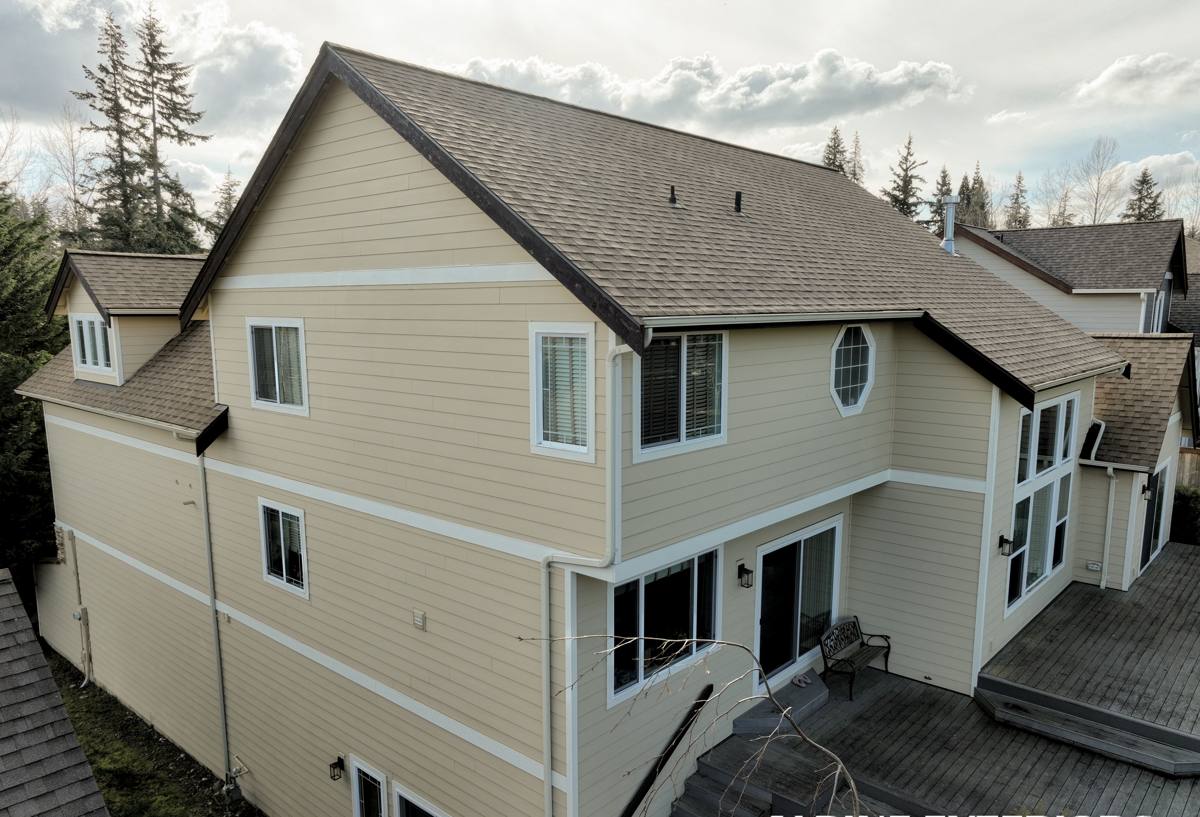
What Lakewood Ranch's Climate Does to an Outdoor Deck
Lakewood Ranch's master-planned neighborhoods mix mature tree canopy with wide-open backyard exposure depending on the section of the community, but the climate load is the same across all of it. A few specific stresses drive most of the deck failures we get called out to inspect:
- Year-round UV exposure breaks down the surface fibers of wood and the resin binders in some composite products faster than in northern climates, leading to graying, splintering, or fading well ahead of the material's rated lifespan.
- Wind-driven rain gets pushed sideways under railings, into ledger connections, and behind fascia boards during Gulf storms — areas a lot of standard construction details don't seal against.
- Hurricane-force wind loads put real lateral and uplift stress on railings, posts, and the connection between the deck and the house. This is a structural engineering question, not just a materials one.
- Humidity and afternoon thunderstorm cycles mean wood surfaces rarely get a long, dry stretch to fully cure or dry out between rains, which accelerates rot in any wood that isn't properly treated and detailed for drainage.
- Salt air reaches further inland than most homeowners assume, especially carried on sea breeze patterns common to this part of Sarasota County, and it corrodes standard steel fasteners and hardware faster than people expect.
None of this means a deck can't hold up here — it means the design and material choices have to account for these conditions from the start, rather than being an afterthought.
Choosing the Right Decking Material for This Climate
There's no single "best" decking material for every Lakewood Ranch home — the right choice depends on budget, how much maintenance you're willing to do, and how the deck will be used. Here's an honest comparison of the main options we work with:
| Material | Upfront Cost | Maintenance | Climate Notes |
|---|---|---|---|
| Pressure-treated wood | Lowest | Annual sealing/staining recommended | Affordable and repairable, but needs consistent upkeep to resist Florida humidity and UV; skipping maintenance shortens its life significantly |
| Tropical hardwoods (e.g. ipe-type species) | High | Periodic oiling to maintain color | Naturally dense and rot-resistant, handles moisture well, but requires correct fastening hardware and professional installation experience |
| Composite decking | Mid-to-high | Low — occasional washing | Resists rot and doesn't need staining, but quality varies a lot by product line; heat retention underfoot is a real consideration in direct Florida sun |
| PVC/capped polymer decking | High | Lowest | Best moisture resistance of the group and doesn't support rot, though it can expand and contract more with temperature swings if not installed with the right gapping |
We'll walk you through the real tradeoffs for your specific project rather than pushing whatever has the best margin. If you want a low-maintenance deck and don't mind the higher upfront cost, composite or PVC usually makes sense. If you like the look and feel of real wood and are willing to reseal it on a schedule, treated lumber or a hardwood option can be the right call — as long as it's installed and finished correctly for this climate.
A Note on Fasteners and Hardware
The decking material gets most of the attention, but the hardware holding it together matters just as much in a coastal-influenced climate. Standard galvanized fasteners can corrode faster here than their rated lifespan suggests, especially in properties closer to Sarasota Bay or the Gulf. We spec stainless steel or coated fasteners rated for coastal exposure on every custom deck we build, along with hidden fastening systems where the material supports it, to reduce the surface points where water and salt air can start corrosion.
The Structural Side: What a Correct Job Actually Involves
A deck is a structure attached to your house, and in a hurricane-exposed area that connection has to be engineered correctly, not just built to "look right." The parts that matter most and are the easiest to get wrong:
Ledger Board Attachment
This is the connection point between the deck and your house framing, and it's one of the most common failure points in decks that weren't built with proper flashing and lag bolting. Water intrusion at the ledger is a leading cause of structural rot, and it's often hidden until the damage is advanced.
Footings and Post Bases
Sarasota County soil conditions and water table depth affect how footings need to be sized and set. Post bases should keep wood off direct ground contact and allow drainage, which matters more here than in drier climates where standing water around a post base is less of a recurring issue.
Railing and Guard Systems
Beyond code-minimum height and spacing requirements, railing posts need connections engineered to resist the lateral loads that come with hurricane-force wind events — not just resist someone leaning on them.
Fastener Spacing and Wind Uplift
Decking board fastening patterns and joist hanger specifications should account for wind uplift, not just gravity load. This is a detail that's easy to skip and invisible once the deck is finished, but it's the difference between a deck that stays put in a storm and one that doesn't.
Our Custom Deck Process in Lakewood Ranch
Every property and every homeowner's goals are different, so the process starts with understanding what you actually want to use the deck for — entertaining, a quiet spot off the primary suite, pool-adjacent lounging, multi-level outdoor living — before any material or design conversation happens.
- On-site assessment. We look at your home's structure, existing grade and drainage, sun/shade exposure through the day, and how the space connects to your home's interior flow.
- Design and material consultation. We walk through material options honestly, including cost, maintenance, and how each performs specifically in this climate, and design around your HOA's architectural guidelines from the start.
- Permitting. We handle the permit application and drawings required by the local building department, along with any HOA architectural review submission Lakewood Ranch's community association requires.
- Site prep and structural build. Footings, framing, ledger attachment, and structural inspection points are completed to code before any decking material goes down.
- Decking, railing, and finish work. Surface material, railing systems, stairs, and any built-in features (benches, lighting, pergola integration) are installed to spec.
- Final walkthrough. We go over maintenance expectations specific to the material you chose, so there are no surprises about what upkeep looks like a year or five years down the road.
Permits and HOA Approval in Lakewood Ranch
Lakewood Ranch is a large, well-organized master-planned community, and most sections carry HOA or community development district architectural guidelines in addition to standard Sarasota County or Manatee County building permit requirements (Lakewood Ranch spans both county lines depending on the section). That typically means a deck project needs sign-off on things like setback distances, height, materials, and sometimes color or railing style, on top of the structural permit itself.
Skipping or rushing this step is one of the most common ways a deck project gets delayed or, worse, has to be modified after the fact. We build the HOA submission and county permitting timeline into the project schedule from day one rather than treating it as an afterthought, because we've worked through this process in the community before and know what documentation each review typically asks for.
Maintenance: What to Actually Expect After the Build
Every decking material requires some level of upkeep in this climate — the differences are in how much and how often. Here's a practical maintenance checklist we walk every customer through at handoff:
- Rinse the deck surface periodically to clear pollen, salt residue, and organic buildup before it stains or feeds mildew growth
- Inspect fasteners and railing connections annually for early signs of corrosion, especially after hurricane season
- Reseal or restain wood decking on the schedule appropriate to the specific wood species — don't wait until it looks obviously weathered
- Check under-deck drainage and ledger flashing yearly to catch water intrusion before it becomes structural rot
- Trim back nearby vegetation that holds moisture against the deck surface or railing posts
- Address any soft spots, popped fasteners, or loose railings immediately rather than waiting for the next scheduled inspection
None of this is complicated, but it does need to actually happen on schedule. A deck that's neglected for a few years in this climate ages a lot faster than the same deck maintained consistently.
Why Local Lakewood Ranch Experience Matters
A deck contractor who mostly works in a different climate — or even a different part of Florida — can still build something that looks right on the day it's finished. What's harder to get right without local experience is the combination of factors specific to this area: Sarasota County's permitting process, Lakewood Ranch's HOA and architectural review expectations, the soil and drainage conditions specific to this part of the county, and the exact wind and moisture exposure a given lot faces based on its orientation and tree cover.
We've built and repaired decks throughout the Lakewood Ranch area long enough to know which details actually matter here versus what's just generic best practice from somewhere else. That local pattern recognition — knowing which ledger details tend to fail first in this climate, which HOA sections are strict about railing style, which lots have drainage quirks — is the kind of thing you only get from doing the work in this specific community repeatedly, not from a national playbook.
Get a Straightforward Estimate
If you're planning a new custom deck, replacing one that's failing, or just want an honest read on whether your current deck is holding up the way it should, we're happy to take a look. There's no pressure and no obligation — just a straight assessment of what your Lakewood Ranch property actually needs. Fill out the form below to schedule a free estimate.