 Sarasota Siding
 Lakewood Ranch Siding Has to Work Harder Than Siding Almost Anywhere Else
Lakewood Ranch homes look like they belong in a climate-controlled brochure, but the exterior of every one of them is fighting a year-round battle. Between the intense Gulf Coast sun, the wind-driven rain that comes through in the summer storm season, the occasional hurricane-force wind event, and a steady dose of salt-laden air moving inland off the coast, siding here ages faster than it would almost anywhere in the country. A product or installation method that would hold up fine in a milder climate can start showing problems within a few years in Sarasota County conditions.
That's the lens we bring to every Lakewood Ranch siding installation project: not "what looks good going up," but "what still looks good and performs correctly in year eight, year fifteen, year twenty-five." This page walks through what that actually requires, and how we handle it.
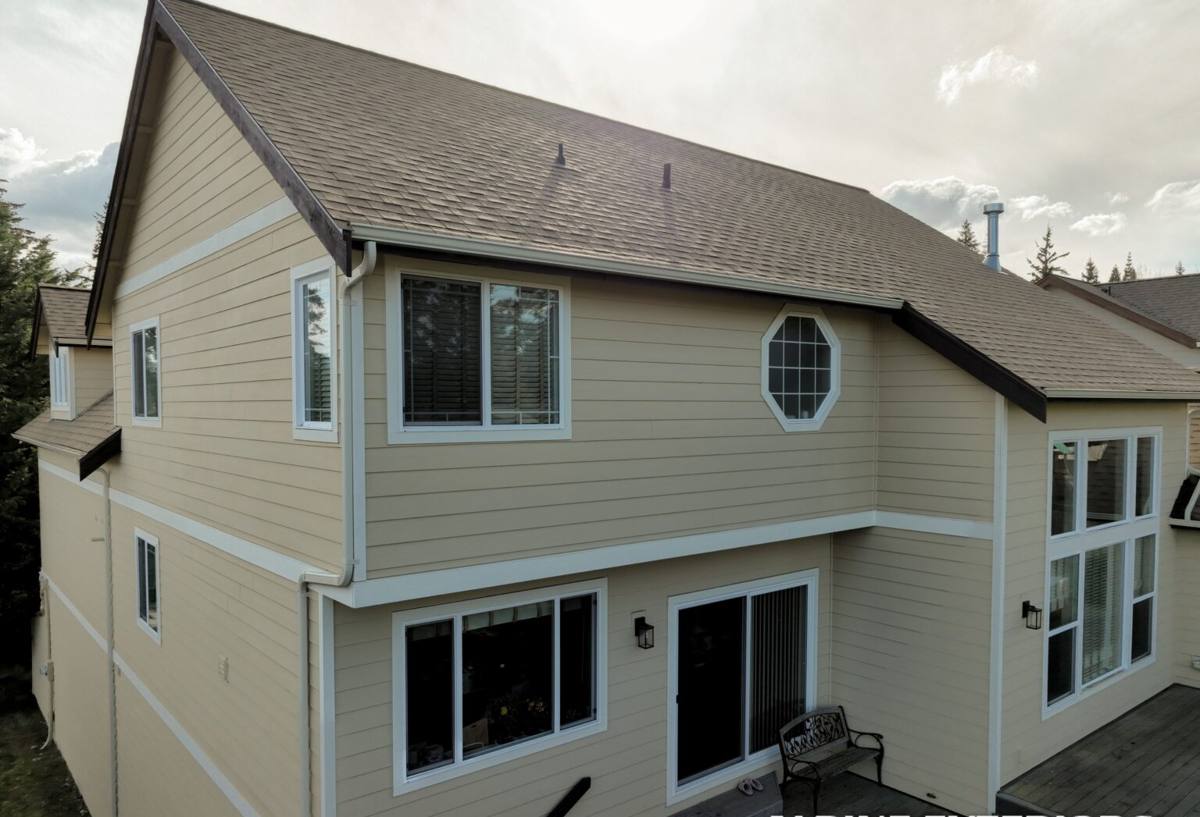
What Lakewood Ranch's Climate Actually Does to Exterior Siding
It helps to understand the specific stresses at play, because they shape almost every decision in a proper installation.
UV and Heat Exposure
Central Florida sun is relentless, and it doesn't ease up seasonally the way it does farther north. Constant UV exposure breaks down pigments and surface coatings over time, which is why so many homes in this area show chalking, fading, or uneven color on the sun-facing sides of the house well before the shaded sides show any wear.
Wind-Driven Rain and Humidity
Sarasota County's rainy season brings rain that doesn't just fall — it's pushed sideways into walls, trim, and every seam in the siding system. Combined with high ambient humidity most of the year, any weak point in the water management behind the siding becomes an invitation for moisture intrusion, not just a cosmetic issue.
Salt Air
Lakewood Ranch sits inland from the coast, but salt-laden air still travels and settles on exterior surfaces, accelerating corrosion of fasteners and hardware and stressing anything not built to resist it.
Wind Load
This region sees tropical storm activity most years and hurricane-force wind gusts on occasion. Siding attachment has to meet the wind resistance a coastal-influenced inland community actually needs, not just a national minimum.
What a Correct Siding Installation Involves
Siding failures in this climate are rarely about the siding material sitting on the wall. They're almost always about what's happening underneath it, or how it was fastened. A correct installation gets these fundamentals right before the first piece of visible siding ever goes up.
Moisture Management Starts Before the Siding Goes On
Every wall needs a continuous water-resistive barrier, properly lapped and sealed, with flashing integrated at every window, door, and penetration so that any water that gets behind the surface layer has a way to drain back out rather than pooling against the sheathing. Skipping or rushing this step is the single most common root cause of hidden rot behind siding that looks fine from the driveway.
Fastening and Wind Resistance
Fastener type, spacing, and embedment depth all affect how a wall system performs in high wind. Manufacturer specifications exist for a reason — they're based on testing, not guesswork — and following them is what keeps siding attached and intact when a strong storm comes through instead of becoming debris in the yard.
Clearances and Ventilation
Proper clearance from the roofline, grade, and adjoining hardscape (patios, decks, driveways) keeps splashback and standing water away from the bottom edge of the siding. Ignoring these clearances is a common shortcut that causes problems years down the road, long after the crew that installed it is gone.
Why We Install Only James Hardie Fiber Cement
We made a deliberate decision as a company to install James Hardie fiber cement siding exclusively, and not vinyl, not wood, not other fiber cement brands, not engineered wood products. That decision is driven by what actually holds up under Sarasota-area conditions.
- Non-combustible material — fiber cement doesn't feed a fire the way wood-based products can, which matters for insurance considerations and peace of mind alike.
- ColorPlus factory-applied finish — baked-on color that resists the fading and chalking that UV-heavy climates cause in field-applied paint.
- Climate-engineered HZ product lines — Hardie manufactures specific formulations engineered for high-humidity, high-moisture climates like Florida's, rather than a one-size-fits-all product.
- Proven long-term performance — when installed to manufacturer specification, Hardie siding has a long track record in coastal and near-coastal Florida markets specifically.
- Strong transferable warranty — meaningful protection that can also be a selling point if you sell the home later.
We're not going to tell you every other product on the market is worthless — that wouldn't be honest, and every material has a use case. But we've chosen to stand behind one system we can install correctly, warranty properly, and trust in this specific climate, rather than offer several options and hope each one performs.
How Siding Options Actually Compare for This Climate
| Factor | James Hardie Fiber Cement | Vinyl Siding | Wood / Engineered Wood |
|---|---|---|---|
| UV and color stability | Factory-baked ColorPlus finish resists fading | Can fade, warp, or become brittle in intense sun over time | Requires repainting on a recurring cycle to hold color |
| Moisture behavior | Engineered for humid climates; does not rot | Doesn't rot itself, but seams and gaps can trap moisture behind it | Vulnerable to swelling, rot, and pest damage if moisture gets in |
| Wind performance | Rigid, heavy material with strong fastening specs | Lighter material, more prone to cracking or blow-off in high wind | Performance depends heavily on installation quality |
| Fire resistance | Non-combustible | Combustible plastic-based material | Combustible |
| Long-term maintenance | Occasional cleaning; caulk/paint touch-up at trim joints | Low maintenance but limited repair options if damaged | Regular repainting/staining and moisture inspection needed |
Our Installation Process for Lakewood Ranch Homes
- On-site assessment — we look at your home's current siding, existing moisture barrier condition, trim details, and any problem areas before quoting anything.
- Product and color selection — choosing the right Hardie board profile and ColorPlus color, including consideration of any HOA or community architectural guidelines.
- Removal and substrate inspection — old siding comes off and the sheathing underneath gets inspected for hidden moisture damage before we cover it back up.
- Water-resistive barrier and flashing installation — the unglamorous work that determines whether the wall stays dry for the next few decades.
- Hardie board installation to manufacturer spec — correct fastener type, spacing, and clearances, installed by a crew that installs this product regularly, not occasionally.
- Trim, caulking, and finish detailing — the details that determine both appearance and long-term water-tightness at every seam.
- Final walkthrough — we review the finished work with you before calling the job done.
Mistakes We Commonly See on Homes in This Area
A lot of siding problems we get called out to inspect trace back to a handful of recurring shortcuts:
- Missing or poorly lapped flashing around windows and doors, allowing wind-driven rain to work its way behind the siding
- Incorrect fastener spacing or type, which weakens wind resistance exactly where it matters most
- Siding installed too close to grade, roofing, or hardscape, trapping moisture at the bottom edge
- Caulk used as a substitute for proper flashing instead of as a secondary seal
- Panels installed without the manufacturer-specified gaps, causing buckling as the material expands and contracts with heat
None of these mistakes are visible on install day. They show up two, five, or ten years later — which is exactly why the installation crew's discipline matters more than almost anything else in this decision.
Ongoing Care for Lakewood Ranch Siding
Correctly installed Hardie siding is genuinely low-maintenance, but "low" isn't "none." A simple seasonal routine keeps it performing the way it's designed to in this climate:
- Rinse siding periodically to clear salt residue, pollen, and general grime buildup
- Inspect caulking at trim joints and penetrations annually, and re-caulk if it's cracked or pulling away
- Walk the base of exterior walls after major storms to check for debris buildup or standing water against the siding
- Keep irrigation heads and sprinklers from spraying directly onto siding on a daily basis
- Have any impact damage from storm debris inspected and repaired promptly rather than left open to moisture
Why Local Installation Experience in Lakewood Ranch Matters
Many Lakewood Ranch neighborhoods have HOA or architectural review guidelines that govern approved siding colors, profiles, and sometimes installation timelines — a crew that regularly works in this specific community already understands that process instead of learning it on your project's timeline. Local experience also means understanding how this specific inland-but-coastal-influenced part of Sarasota County behaves differently than siding installed further from the water, or in a different climate zone altogether. A crew that only occasionally installs fiber cement, or that splits its work across multiple siding brands, doesn't build the same depth of installation discipline as one that installs Hardie products day in and day out in this exact environment.
If your home's siding is showing its age, or you're planning ahead for a replacement rather than reacting to a failure, we're happy to walk your property, answer honest questions about what your home actually needs, and provide a free, no-pressure estimate — no obligation, no high-pressure follow-up, just a straight assessment you can use to make a good decision.