 Sarasota Siding
 Why Lakewood Ranch Homes Face a Different Siding Equation
Lakewood Ranch is one of the fastest-growing residential communities in the greater Sarasota area, and a lot of that growth happened fast enough that builder-grade exterior materials are now reaching the age where they start showing their limits. Siding here doesn't just have to look good on a new build — it has to survive a climate that punishes cheap materials and sloppy installation year after year.
Southwest Florida throws a specific combination of stress at exterior walls: hurricane-force winds during storm season, intense UV exposure nearly twelve months a year, wind-driven rain that gets forced sideways into seams and laps, and salt-laden air that drifts inland on Gulf breezes even in neighborhoods well away from the water. Individually, any one of these would shorten the life of a mediocre siding product. Together, they're why so many Lakewood Ranch homes built in the 2000s and 2010s are now dealing with warped panels, faded color, soft trim boards, or moisture damage behind the siding that wasn't visible until it was serious.
A siding replacement done right in this community isn't a cosmetic upgrade. It's a chance to correct whatever the original installation got wrong and put a material system on the house that's actually engineered for this climate, not just shipped to it.
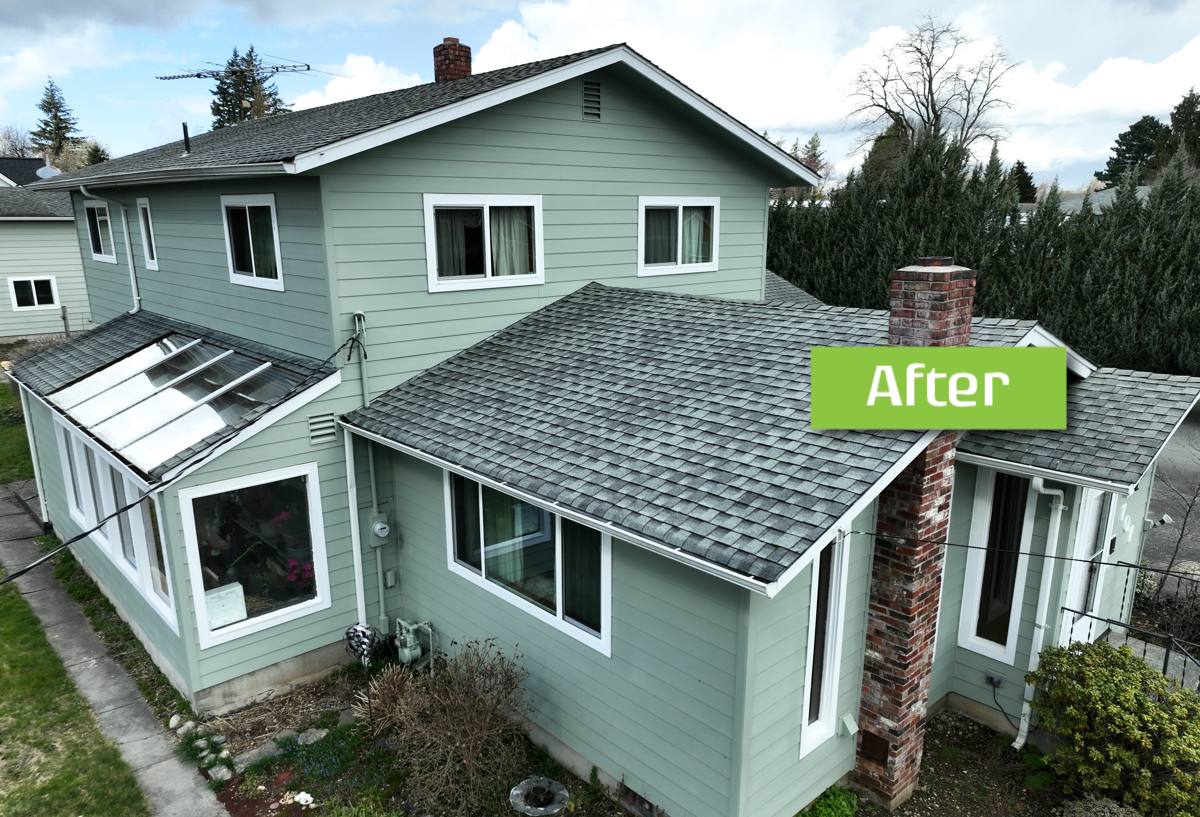
Signs a Lakewood Ranch Home Needs Siding Replacement, Not Just Repair
Some siding problems are legitimately fixable with a patch or a few replacement boards. Others are symptoms of a bigger issue underneath, and patching them just delays a more expensive repair later. Before you decide which situation you're in, walk the exterior and look for these:
- Visible warping, buckling, or bowing in siding panels, especially on south- and west-facing walls that take the most sun
- Soft or spongy spots when you press on the siding near the bottom of walls, around windows, or below roof lines
- Paint or factory finish that's chalking, peeling, or badly faded compared to the rest of the house
- Visible gaps, cracking, or separation at seams and corner trim
- Persistent staining, streaking, or a musty smell along interior walls that back up to exterior siding
- Siding that flexes or feels hollow when tapped, which often means the substrate behind it has already broken down
- Frequent, recurring caulk failures at the same joints no matter how often they're re-sealed
If you're seeing more than one or two of these, especially the soft-spot or staining signs, it's worth having someone look at what's happening behind the siding before deciding whether repair or full replacement makes sense.
What a Correct Siding Replacement Actually Involves
Tear-Off and Substrate Inspection
The old siding has to come off, not just get covered over. This is the point where a lot of hidden damage gets found — soft sheathing, rotted framing at window and door openings, or years of moisture that never had anywhere to escape. Any compromised substrate needs to be replaced before new siding goes on, because installing a premium product over a damaged wall just hides the problem for a few more years.
Moisture Barrier and Flashing
In a climate that gets wind-driven rain, the water-resistive barrier and flashing details matter as much as the siding itself. Every window, door, and penetration needs proper flashing so water that gets behind the cladding — and some always will, in a hurricane-prone region — has a path to drain back out instead of sitting against the wall assembly.
Fastening and Manufacturer Clearances
Fiber cement siding has specific fastening patterns, nail spacing, and clearance requirements from rooflines, decks, and grade that exist for a reason: they're what the product's wind-load and moisture warranties are actually based on. Skipping them doesn't just risk a bad installation — it can void the manufacturer's warranty entirely, whether or not a problem ever shows up.
Joints, Trim, and Sealant
Seams and joints are where most siding failures start. Correct butt joints, properly caulked and painted cut ends, and trim installed with the right gaps for expansion are what keep water from finding its way in over the following years, especially through a Florida wet season.
Why We Install Only James Hardie Fiber Cement
There are several siding products on the market that perform reasonably well in the right conditions — vinyl, LP SmartSide, primed wood, and other fiber cement brands all have legitimate uses. We don't install any of them, and it's worth explaining why rather than just stating it.
Vinyl siding is affordable and low-maintenance in mild climates, but it softens and can deform in extreme heat, and in a region that sees both intense sun and hurricane-force wind, its impact resistance and long-term dimensional stability don't hold up as well as fiber cement. Engineered wood products like LP SmartSide perform well against impact, but they're wood-based, which means they carry an inherent vulnerability to sustained moisture exposure — a real concern in a climate with a long, humid wet season. Other fiber cement brands, including Cemplank and Allura, are legitimate products, but we've standardized on one manufacturer, one installation system, and one warranty structure so every job we do is consistent and backed the same way.
James Hardie fiber cement is non-combustible, holds paint and factory finish far longer than wood-based alternatives, resists moisture-driven swelling, and is engineered specifically for high-humidity, storm-prone climates like Southwest Florida's. It costs more up front than vinyl and often more than engineered wood. We think that difference is worth it on a house that's going to sit through decades of Gulf Coast weather, and it's the only product we're willing to put our name behind.
James Hardie Product Lines for Lakewood Ranch Homes
James Hardie builds region-specific formulations under its HardieZone system, and homes in this part of Florida fall into the HZ5 climate zone, engineered for high humidity, heavy rain, and intense UV. That's a meaningful distinction — the same product line sold in a dry climate isn't formulated the same way as what goes on a Lakewood Ranch home.
| Product | Best Use | What It Offers |
|---|---|---|
| HardiePlank Lap Siding | Most single-family homes | Traditional horizontal lap look, the most common choice in this market |
| HardiePanel Vertical Siding | Accent walls, gables, modern facades | Clean vertical lines, often paired with lap siding for architectural contrast |
| HardieShingle Siding | Coastal and craftsman-style homes | Staggered or straight-edge shingle profile without the maintenance of cedar |
| HardieTrim Boards | Corners, window and door surrounds, fascia | Matches the siding system for a consistent, integrated finish |
Most jobs use ColorPlus factory-applied finish rather than field-applied paint. It's baked on under controlled conditions, resists fading and chipping better than a job-site paint job, and comes with its own finish warranty separate from the substrate warranty — an important detail in a climate where UV exposure is relentless nearly year-round.
Our Process From Estimate to Final Walkthrough
A siding replacement on an occupied home should be predictable, not disruptive. Here's how ours generally runs:
- On-site assessment — we walk the exterior, check for hidden moisture or substrate damage, and measure for materials
- Written estimate — a clear scope of work and price, no vague allowances or surprise change orders for anything we could reasonably identify up front
- Material selection — choosing the product line, profile, and ColorPlus finish that fits the home
- Tear-off and substrate repair — removing old siding and correcting any damage found before anything new goes up
- Moisture barrier, flashing, and installation — installed to Hardie's fastening and clearance specifications, not shortcuts
- Trim, caulking, and finish detail — the joints and edges that determine how well the job holds up over time
- Final walkthrough — reviewing the finished work with the homeowner before calling the job complete
What Drives the Cost of a Lakewood Ranch Siding Replacement
We won't quote a number without seeing the house, but the factors that move price up or down are consistent from job to job:
| Factor | Why It Matters |
|---|---|
| Home size and wall complexity | More square footage and more corners, gables, and dormers mean more material and labor |
| Substrate condition | Rotted sheathing or framing found during tear-off adds repair work before new siding can go on |
| Product line and profile | HardiePanel, HardiePlank, and HardieShingle carry different material and labor costs |
| Finish choice | Factory ColorPlus finish versus field-applied paint affects both cost and long-term durability |
| Trim and architectural detail | Multiple trim profiles, accent bands, or mixed siding styles add labor time |
| Access and site conditions | Two-story sections, tight lot lines, or landscaping close to the house can slow the work |
Why Local Lakewood Ranch Experience Matters
Lakewood Ranch is made up of numerous distinct villages and neighborhoods, many with their own homeowners association guidelines governing exterior colors, materials, and architectural consistency. A crew that regularly works in this community already understands how to navigate that process — getting the right documentation together, working within approved color palettes, and avoiding the delays that come from submitting a plan that doesn't fit what a given HOA expects.
There's also a practical side to local experience: knowing how homes in this area were typically built, what original siding and moisture barrier details are common in different phases of the community's development, and what problems tend to show up as those builder-grade materials age. That familiarity means fewer surprises during tear-off and a more accurate estimate from the start.
Caring for Your Siding After Installation
James Hardie fiber cement is low-maintenance compared to wood siding, but "low-maintenance" isn't "no-maintenance," especially in a climate this demanding. A few habits go a long way:
- Rinse the exterior periodically to clear salt residue, pollen, and mildew buildup before it sets in
- Check caulking at trim joints and penetrations annually, particularly after hurricane season
- Keep sprinklers and irrigation from spraying directly on siding, which accelerates staining and mineral buildup
- Trim back landscaping that holds moisture against the wall or blocks airflow
- Address any impact damage or cracked boards promptly rather than letting moisture get behind them
Done right, a James Hardie installation in this climate is built to go decades between full replacements, not years — but it still benefits from a homeowner who keeps an eye on it.
If your Lakewood Ranch home is showing any of the warning signs above, or your siding is simply old enough that you're wondering how much life it has left, we're happy to take a look. Reach out for a free, no-pressure estimate using the form below.