 Sarasota Siding
 Deck Repair in Laurel Park: Built for Sarasota's Climate, Not Just Patched Over
Laurel Park is one of Sarasota's older, tree-canopied neighborhoods, close enough to downtown and the bay that its homes deal with a specific mix of stresses: heavy shade from mature oaks that keeps decking damp long after a storm passes, salt-laden air drifting in off the water, brutal UV exposure between rain events, and the wind-driven rain that comes with every Gulf Coast storm season. A deck built or repaired without accounting for that combination in Sarasota County tends to fail early — not because the materials were bad, but because the repair didn't match the conditions.
We repair decks in Laurel Park regularly, and this page covers what that actually involves: how to tell a deck needs real repair versus a cleaning, what a correct repair covers structurally and cosmetically, and how we decide between repairing and replacing.
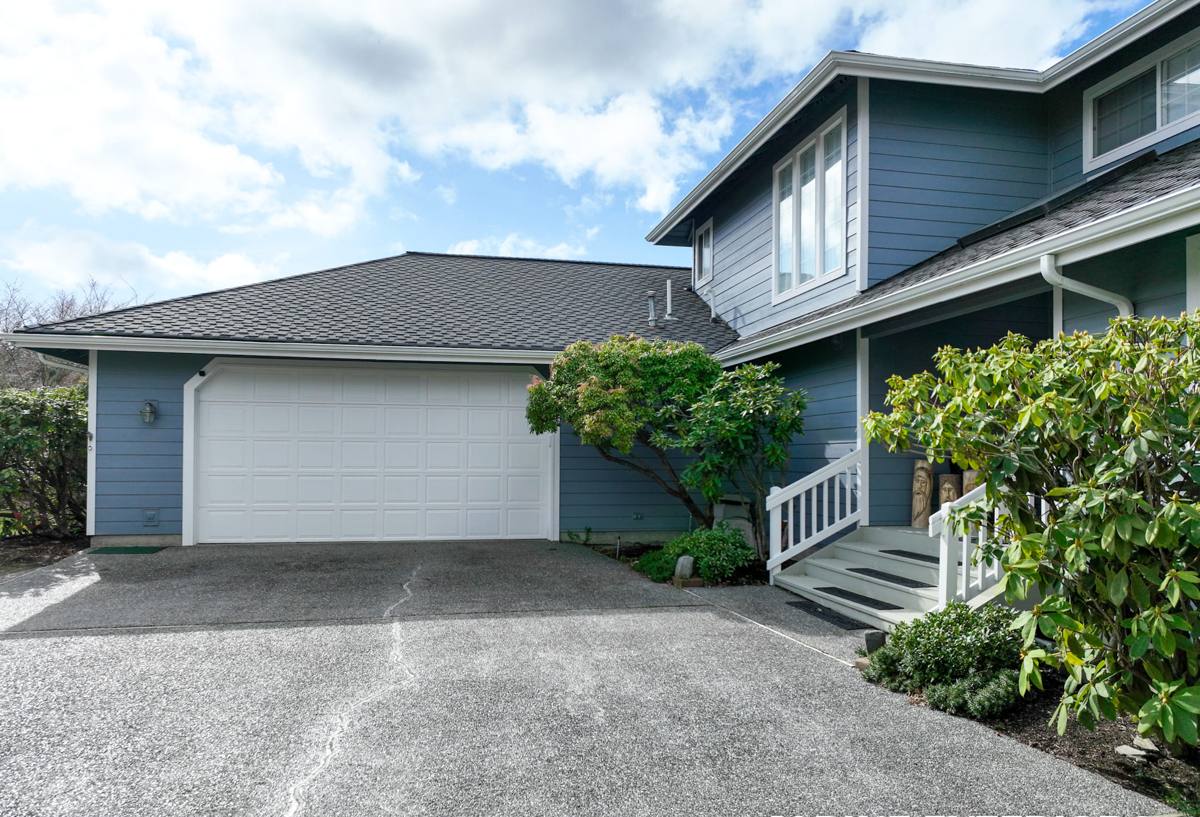
Why Laurel Park Decks Wear the Way They Do
Three things show up again and again on deck repair calls in this neighborhood:
Shade and moisture retention
Mature tree canopy is one of the best things about Laurel Park, but it keeps deck surfaces and the framing underneath them wetter, longer, after every rain. Wood that would dry out in a few hours in full sun can stay damp for a day or more under heavy shade. That extended moisture contact is what drives rot, fastener corrosion, and mildew staining faster than sun exposure alone would.
Salt air on fasteners and hardware
Sarasota's proximity to the water means salt-laden air reaches inland neighborhoods, not just waterfront property. Standard fasteners and connectors corrode faster here than they would inland in a drier climate, and corrosion at a joist hanger or ledger bolt is a structural problem, not a cosmetic one.
UV and heat cycling
Year-round UV breaks down wood fibers, dries out sealants, and fades or chalks composite surfaces. Combined with Florida's swings between soaking rain and intense heat, boards expand and contract repeatedly, which loosens fasteners and opens joints over time.
Signs Your Deck Needs Repair, Not Just Cleaning
A pressure wash or a coat of sealant can make a tired deck look better temporarily while covering up problems that keep getting worse underneath. Before you spend money on cosmetic work, check for these:
- Boards that feel spongy, soft, or flex noticeably when you walk on them
- Visible gaps opening up between boards, or boards that have cupped or crowned
- Rust streaking around screw heads or bolts, or fasteners backing out on their own
- A ledger board (where the deck attaches to the house) that shows gaps, water staining, or movement
- Railings or posts that wobble when pushed
- Stairs that feel uneven or bounce underfoot
- Persistent dark staining or a musty smell that returns quickly after cleaning
- Any area where standing water collects instead of draining off
If you're seeing more than one or two of these, it's worth having someone look at the framing, not just the surface boards.
What a Correct Deck Repair Actually Involves
A repair that only replaces the boards you can see, without checking what's underneath, tends to fail again within a season or two in this climate. Here's what we actually check and address.
Structure first
Joists, beams, posts, and the ledger connection to the house carry the load. We check these for rot, insect damage, and corrosion before touching the decking surface. A deck can look fine on top and still have a compromised joist or a ledger that's pulling away from the house — that's the failure that actually hurts someone.
Fasteners and connectors
Corroded nails, screws, and joist hangers get replaced with hardware rated for the exposure this climate produces, not whatever matches the original build. This is one of the most common items we find on older Laurel Park decks: original-build fasteners that were adequate when installed but have since corroded well past what's safe.
Surface and drainage
Individual boards get replaced where warped, split, or soft. We also look at how water actually moves across and off the deck — poor drainage is what causes the moisture problems in the first place, so a repair that doesn't correct drainage is treating a symptom.
Railings and stairs
Loose railings and uneven stairs are safety items, not cosmetic ones, and we check post attachment and stair stringers as part of any repair scope, even if that wasn't the original complaint.
Repair vs. Replacement: How We Decide
Not every deck problem calls for a full rebuild, but some do. We walk through the same factors on every job to give you an honest answer instead of a default answer.
| Factor | Favors Repair | Favors Replacement |
|---|---|---|
| Structural framing condition | Joists and posts are sound, damage is isolated | Widespread rot or corrosion in the framing itself |
| Age of the deck | Newer deck with a localized problem | Deck is at or past the typical service life for its materials |
| Ledger connection | Ledger is solid and properly flashed | Ledger shows water damage or was never properly flashed |
| Extent of surface damage | A handful of boards affected | Most of the deck surface shows cupping, splitting, or rot |
| Code compliance | Existing structure meets current requirements | Railings, stair rise/run, or footings don't meet current code |
We'll tell you plainly if a repair is the right call, and just as plainly if it isn't — a rebuild is a bigger cost, and we don't push it unless the structure actually needs it.
Our Process for Laurel Park Deck Repair Calls
- On-site inspection. We check the surface, the framing underneath, fasteners, the ledger connection, and drainage — not just whatever's visibly worn.
- Honest scope and estimate. You get a written breakdown of what needs repair, what's optional, and what we'd flag for the future, with no pressure to upsell a full rebuild.
- Permitting where required. Structural deck repairs in Sarasota County often require a permit — we handle that so the work is documented and inspected correctly.
- Repair work. Structural fixes first, then fasteners and hardware, then surface boards, then railings and stairs.
- Final walkthrough. We check the repaired deck for level, secure railings, and proper drainage before calling the job done.
Materials and Hardware We Use — and Why
For fasteners and structural connectors, we use hardware rated for coastal and high-moisture exposure rather than standard interior-grade options, given how quickly standard hardware corrodes under Sarasota's combination of salt air and humidity. For decking material itself, both quality wood and composite products have a place — wood costs less upfront but takes more upkeep (sealing, staining, and inspection) to hold up under heavy shade and moisture, while composite costs more initially but handles moisture and UV with less ongoing maintenance. We'll walk you through that trade-off honestly based on how your specific deck is shaded and exposed, rather than pushing one material as universally better.
Why Hiring a Crew That Already Works Laurel Park Matters
Laurel Park's older housing stock, mature tree cover, and proximity to the water create a specific set of conditions that differ from newer construction further inland. A crew that already works this neighborhood knows to expect extended moisture retention under heavy canopy, understands the corrosion timeline on original hardware in homes of this era, and is familiar with Sarasota County's permitting process for deck repairs — which means fewer surprises and fewer delays for you. That local familiarity is the difference between a repair that's matched to the actual conditions your deck faces and one that's a generic fix that happens to be installed in Sarasota.
Maintaining Your Deck After Repair
A few habits go a long way toward protecting the repair and getting more life out of the deck:
- Sweep off leaves and debris regularly, especially under heavy tree cover where they trap moisture against the boards
- Check fasteners and railings for movement once or twice a year
- Reseal or restain wood decking on the schedule recommended for your specific product — UV and humidity here shorten the interval compared to drier climates
- Keep gutters and downspouts near the deck clear so runoff isn't draining directly onto or under it
- Address small issues — a soft board, a loose rail — before the next storm season rather than after
If your Laurel Park deck is showing wear, soft spots, loose railings, or you just want an honest read on whether it needs repair or replacement, we're glad to take a look. Estimates are free and there's no pressure — just a straight assessment of what your deck actually needs. Use the form below to request one.