 Sarasota Siding
 Roof Replacement in Laurel Park: What This Neighborhood Actually Needs
Laurel Park is one of Sarasota's older, established neighborhoods — a mix of historic bungalows, mid-century homes, and newer infill construction sitting close to downtown under a mature tree canopy. That combination creates a specific set of roofing conditions you don't see everywhere in Sarasota County: older roof decking that may not meet current code, overhanging branches that drop debris and hold moisture against the roof surface, and homes built in eras with very different structural standards than today's wind-load requirements. A roof replacement here isn't a one-size-fits-all job. It has to account for what's actually under the shingles, not just what's on top of them.
We work on homes throughout Sarasota and Sarasota County, and Laurel Park comes with its own checklist: verifying deck condition on older structures, evaluating how much tree cover affects material choice and maintenance, and making sure any replacement roof meets current Florida Building Code wind and uplift standards — even if the home itself predates them.
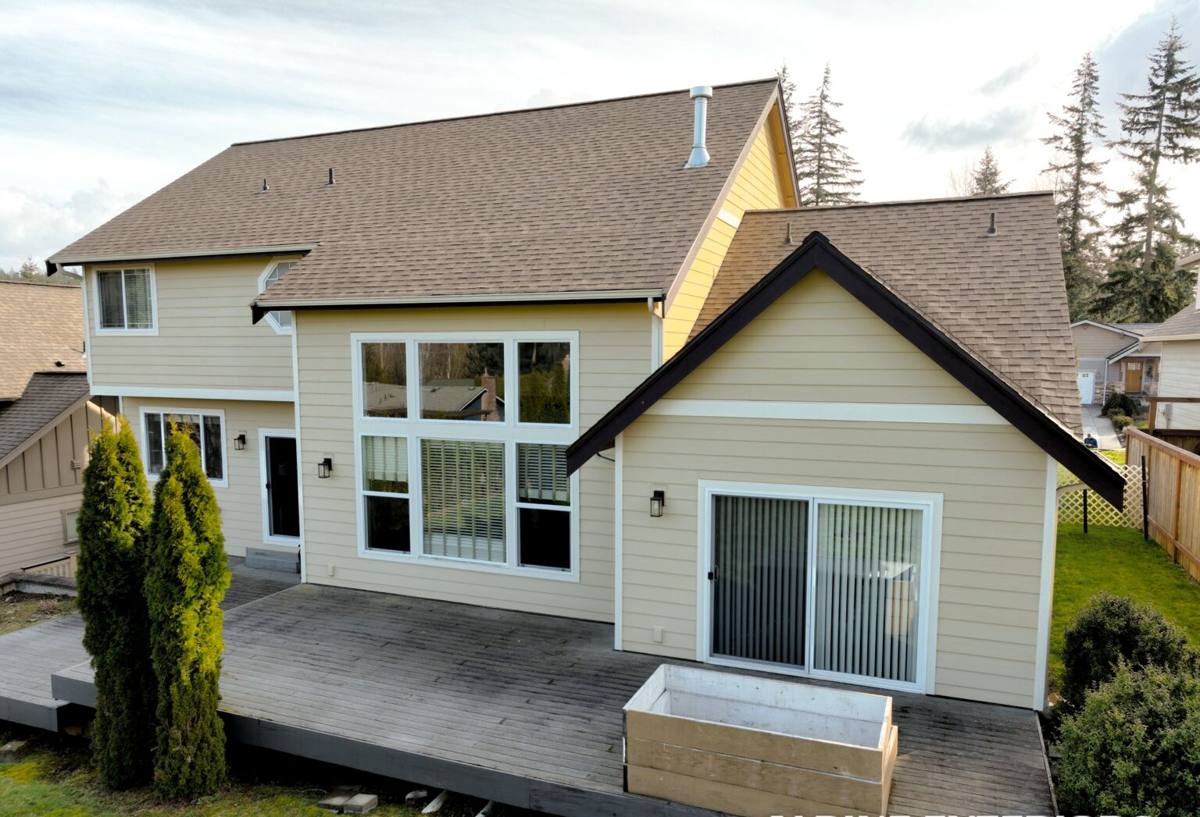
What Sarasota's Climate Does to a Roof
Roofs in this part of Florida are under constant stress from four directions at once, and Laurel Park's tree canopy adds a fifth.
Hurricane-Force Wind
Sarasota County sits in a wind-borne debris region under Florida Building Code. That means roofing materials, fasteners, and underlayment all have to meet specific wind-uplift ratings — not just "hurricane-rated" as a marketing term, but tested and rated for the wind speeds this area is designed for. A roof that isn't installed to that standard is the first thing to fail in a storm, and it's often the failure point that lets water into the rest of the house.
Year-Round UV Exposure
Florida sun is relentless on roofing materials every month of the year, not just summer. UV breaks down asphalt shingle oils, causes granule loss, and accelerates aging on any roofing product that isn't rated for high-UV climates. A roof that would last 25 years in a milder climate can lose meaningful life expectancy here if the materials weren't chosen with that in mind.
Wind-Driven Rain
It's not just how much rain falls — it's how it hits the roof. Wind-driven rain gets pushed sideways and upward under shingle edges, around penetrations, and into any gap in flashing or underlayment. This is why underlayment quality and flashing detail matter as much as the shingle or tile itself.
Salt Air
Laurel Park isn't right on the water, but Sarasota's coastal location means salt-laden air reaches inland neighborhoods too, accelerating corrosion on exposed metal — fasteners, flashing, vents, and drip edge. Metal components that aren't rated for coastal exposure corrode faster and fail before the roofing material around them does.
Tree Canopy
Laurel Park's older tree cover is part of the neighborhood's character, but it means more organic debris on the roof, shaded areas that hold moisture longer after rain, and a higher chance of impact damage from limbs during storms. Roof design and material choice for these homes should account for that, not ignore it.
What a Correct Roof Replacement Involves
A roof replacement is more than stripping old shingles and nailing down new ones. Done correctly, it's a layered system, and every layer matters:
- Tear-off and deck inspection: Full removal of the old roofing down to the deck, with every section of decking checked for rot, delamination, or soft spots — especially important on Laurel Park's older homes where original decking may be decades old.
- Deck repair or replacement: Any compromised plywood or board decking gets replaced before anything new goes down. Skipping this is the single most common shortcut that leads to early roof failure.
- Underlayment: A synthetic or self-adhering underlayment rated for wind-driven rain, installed with proper overlaps and sealed penetrations.
- Flashing: New flashing at every valley, wall intersection, chimney, and roof-to-wall transition — corrosion-resistant material appropriate for salt-air exposure.
- Fastening to code: Nailing pattern and fastener type matched to the wind-uplift rating required for Sarasota County, not just the manufacturer's minimum.
- Ventilation: Proper intake and exhaust ventilation so the attic doesn't trap heat and moisture, which shortens the life of the new roof from underneath.
- Final inspection and permit close-out: Roof replacements require a permit and inspection in Sarasota County — this isn't optional, and it's your protection that the work was done to code.
Choosing the Right Roofing Material for Laurel Park
There's no single "best" roofing material — the right choice depends on the home's structure, the budget, and how much upkeep the homeowner wants to take on given the tree canopy and coastal air.
| Material | Wind Performance | UV/Heat Behavior | Maintenance Under Tree Cover |
|---|---|---|---|
| Architectural asphalt shingle | Good, when rated and installed correctly for the region | Moderate — quality and color affect heat absorption and UV wear | Moderate; granule loss and algae staining possible in shaded areas |
| Metal roofing (standing seam) | Excellent uplift resistance when properly fastened | Excellent; reflects heat, minimal UV degradation | Low; sheds debris well, but fasteners need corrosion-resistant coating near salt air |
| Concrete or clay tile | Very good when properly installed and fastened | Excellent; naturally durable in high UV | Moderate; heavier structure needs periodic inspection, debris can lodge between tiles |
For a shaded, older neighborhood like Laurel Park, we'll walk through how each option performs specifically given the home's roof pitch, structure, and how much canopy cover it sits under — not just a generic recommendation.
A Note on Product Selection
We're selective about the products we install, and that's a professional standard, not a knock on every option out there. Some lower-tier materials have thinner installation tolerances, shorter real-world lifespans in high-UV climates, or warranty structures that don't hold up well under the wear patterns we see in Sarasota. We'd rather explain the trade-offs upfront than install something that looks fine for the first year and underperforms after that.
Our Process for a Laurel Park Roof Replacement
- On-site inspection and estimate: We walk the roof, check attic ventilation and any visible deck issues, and give you a straightforward assessment — replacement, repair, or somewhere in between.
- Material and scope discussion: We go over material options, cost ranges, and what's actually needed for the home's age and structure, with no pressure to upsell beyond what's necessary.
- Permitting: We pull the required Sarasota County permit before work starts.
- Tear-off and deck assessment: Old roofing comes off, deck gets inspected, and you're told immediately if repairs are needed before we go further.
- Installation: Underlayment, flashing, and roofing material installed to current wind and moisture standards.
- Cleanup: Full site cleanup, including magnetic sweep for stray nails — important with kids, pets, and driveways nearby.
- Final inspection: County inspection scheduled and passed, permit closed out, documentation provided.
What Roof Replacement Costs Depend On
We won't quote a number without seeing the roof, but here's what actually drives cost on a Laurel Park home:
| Factor | Why It Matters |
|---|---|
| Roof size and pitch | More square footage and steeper pitches mean more material and labor time |
| Deck condition | Older homes sometimes need partial or full deck replacement, which adds cost but isn't optional if the wood is compromised |
| Material choice | Asphalt shingle, metal, and tile carry different material and labor costs |
| Roof complexity | Valleys, dormers, chimneys, and multiple roof planes all add labor and flashing work |
| Accessibility | Mature trees and tight lots in older neighborhoods can affect equipment access and cleanup time |
Broadly, a full roof replacement is a five-figure investment for most homes — the range depends heavily on the factors above. We'll give you a real number after we've actually seen your roof, not a phone estimate.
Signs a Laurel Park Roof Needs Replacing, Not Patching
- Shingles curling, cracking, or missing granules across large sections rather than one isolated spot
- Soft or spongy decking felt when walking the roof or visible sagging from the ground
- Repeated leaks in different locations after previous repairs
- Roof age approaching or past its material's expected lifespan, especially with heavy UV and storm exposure
- Visible daylight through the attic, or consistent moisture/mold smell in the attic space
- Multiple layers of old roofing already on the deck, limiting options for a simple overlay
- Flashing that's rusted, lifted, or separating from walls and penetrations
Why a Crew That Knows Laurel Park Matters
Roofing code, wind requirements, and permitting are county-specific, and Sarasota County's requirements differ from neighboring counties in real ways — wind-uplift ratings, inspection sequencing, and permit documentation all follow local rules. A crew that regularly works in Sarasota and specifically in older neighborhoods like Laurel Park already knows how to handle aging decking, work around mature trees without damaging landscaping, and coordinate with the county's inspection process without delays that catch out-of-area contractors off guard. That familiarity translates into fewer surprises mid-project and a roof that's actually built for the conditions it has to survive here — not just installed to a generic national standard.
Get a Free, No-Pressure Estimate
If your Laurel Park home needs a new roof — or you're just not sure whether it's a repair or a replacement situation — we'll come take a real look and give you an honest answer. No pressure, no scare tactics, just a clear assessment and a straightforward estimate using the form below.