 Sarasota Siding
 Longboat Key's Climate Is Hard on a Roof
A roof on Longboat Key does a different job than a roof ten miles inland. Sitting on a barrier island between the Gulf of Mexico and Sarasota Bay, homes here take on hurricane-force wind gusts during storm season, intense UV exposure nearly every day of the year, wind-driven rain that gets pushed sideways under poorly sealed edges, and a steady drift of salt air that speeds up corrosion on anything metal. None of that is unique to any one house on the Key — it's the baseline every roof on this island has to handle, year after year.
Asphalt shingle roofing can absolutely hold up to that environment, but only when it's specified and installed with the island's conditions in mind. A shingle roof installed the same way you'd install one in a landlocked subdivision will wear faster here — curling edges, granule loss, lifted tabs, and corroded fasteners show up sooner near the coast than they do a few miles inland. The fix isn't a different product category; it's getting the details right for where the house actually sits.
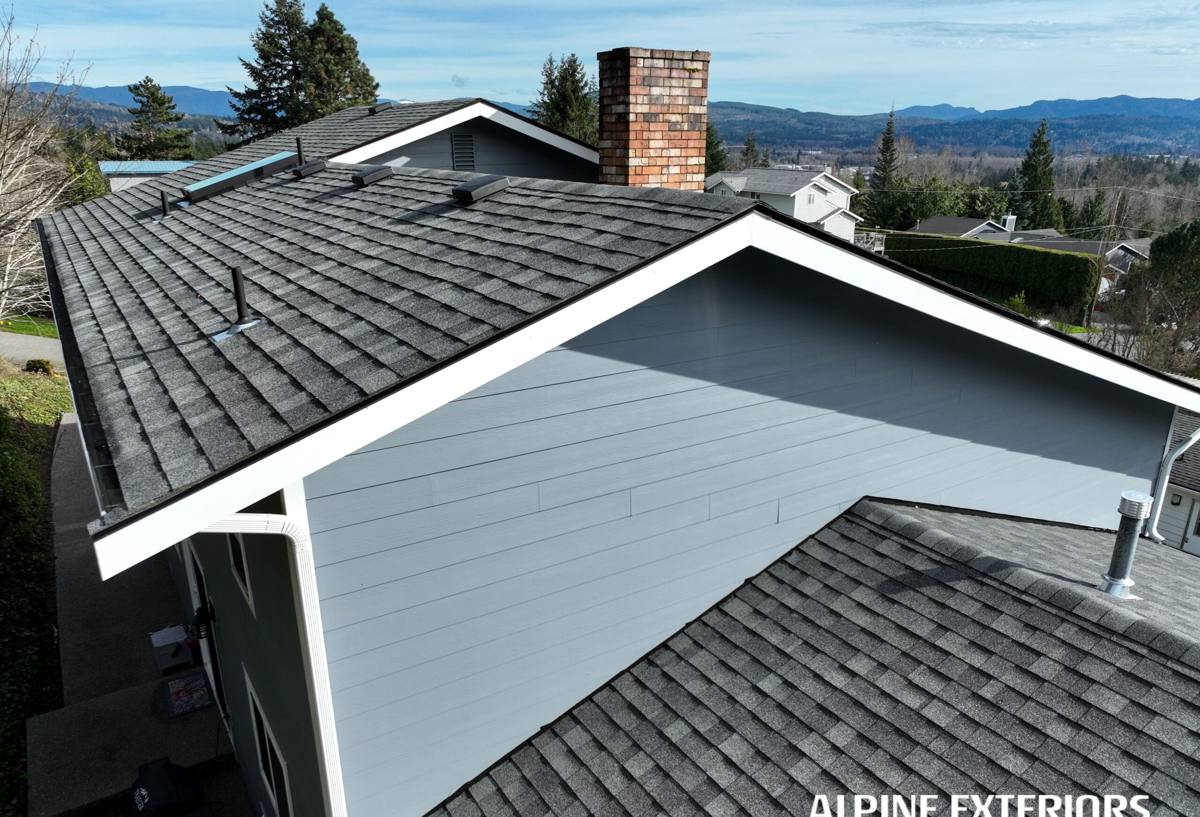
What "Correct" Looks Like on a Barrier Island Roof
Most shingle roof failures we get called out to inspect on Longboat Key aren't shingle failures at all — they're installation shortcuts that only show up once the wind and rain go to work on them. A correct installation for this location comes down to a handful of details that matter more here than they do elsewhere.
Wind-Rated Shingles, Installed to the Nailing Pattern
Shingles carry a wind rating based on how they're fastened, not just what the manufacturer prints on the wrapper. A high wind-rated shingle installed with an inconsistent nailing pattern, high nails, or too few fasteners per shingle will perform like a cheaper product in a real storm. On a coastal roof, we follow the manufacturer's high-wind nailing specification exactly — correct nail placement, correct count per shingle, and starter strips at the eaves and rakes that are actually rated for wind, not cut down from field shingles.
A Real Secondary Water Barrier
Wind-driven rain doesn't fall straight down — it gets forced sideways and upward under shingle tabs during a real blow. That's what the underlayment and flashing details are for. We use a synthetic or self-adhered underlayment system suited to the roof's exposure, with self-adhered membrane at the eaves, valleys, and any wall-to-roof transitions where wind-driven water is most likely to find a way in. This layer is what keeps a roof dry even if a few shingles get compromised in a storm.
Ventilation and Attic Airflow
Constant sun exposure heats an attic fast, and a poorly ventilated attic bakes the underside of a shingle roof from below while the sun works on it from above. Balanced intake and exhaust ventilation keeps attic temperatures more reasonable, which extends shingle life and helps control moisture that would otherwise condense against the underside of the deck.
Corrosion-Resistant Metal and Fasteners
Salt air corrodes standard fasteners, flashing, and drip edge faster near the water than it does inland. We spec corrosion-resistant flashing and fasteners rated for coastal exposure rather than the standard-grade hardware that's fine for an inland job but starts rusting and staining a Longboat Key roof within a few years.
Choosing an Asphalt Shingle That Fits This Environment
Not every asphalt shingle product is a good match for a barrier island roof. The right choice depends on the wind rating, how the shingle handles constant UV, and how it resists the algae streaking that's common in Florida's humidity. We'll walk through the realistic options for your home and budget rather than pushing one product line — the goal is a roof that performs for your specific exposure, not the fanciest shingle on the shelf.
| Shingle Type | Typical Wind Rating | Best Fit For | Trade-Offs |
|---|---|---|---|
| Standard 3-tab | Lower end of the range | Budget-conscious projects, interior lots with more wind shelter | Shorter service life on exposed coastal roofs; less impact and wind resistance than laminated options |
| Architectural / laminated | Mid-to-high range, varies by product and installation | Most Longboat Key homes; a solid balance of durability and cost | Higher upfront cost than 3-tab; still needs correct high-wind nailing to hit its full rating |
| Impact-rated / high-wind laminated | Highest available in the asphalt category | Direct-exposure lots, homes seeking insurance credits, owners prioritizing storm performance | Highest material cost; benefits depend on proper installation and sometimes specific underlayment pairing |
Algae-resistant granules are worth discussing regardless of which tier you choose. Florida's humidity promotes the blue-green algae that causes dark streaking on roofs, and algae-resistant shingles reduce how quickly that shows up — a cosmetic issue, but one that matters on a visible island home.
Our Longboat Key Roofing Process
Every roof is different, but the process we follow on the Key is consistent because the risks it's designed to manage are consistent.
- Inspection and honest assessment. We look at the deck, the flashing, the ventilation, and the actual condition of the existing roof before recommending repair or replacement — not the other way around.
- Clear scope and material selection. We walk through shingle options, underlayment system, and flashing/metal upgrades based on your home's exposure and your budget.
- Tear-off and deck inspection. Old roofing comes off down to the deck so we can check for water damage, soft spots, or rot that needs to be addressed before new material goes down — problems that get covered over instead of fixed are the source of most premature failures.
- Underlayment and flashing installed first. The water management layer goes in correctly before a single shingle is laid, with extra attention at valleys, penetrations, and wall transitions.
- Shingles installed to the high-wind nailing spec. Not the minimum spec — the one that lets the shingle perform at its rated wind speed.
- Final walk-through. We review the finished roof with you, including ventilation, flashing details, and what routine maintenance to expect going forward.
Repair or Replace? What to Weigh
Not every roofing problem on Longboat Key means a full replacement. Isolated wind damage, a failed flashing detail, or a handful of lifted or missing shingles can often be repaired if the roof is otherwise sound and not near the end of its service life. We'll tell you honestly when a repair makes sense rather than defaulting to a full tear-off.
That said, a few situations usually point toward replacement rather than repair:
- Granule loss heavy enough that the underlying mat is visible in multiple areas
- Repeated leaks in different spots, suggesting the underlayment has broken down rather than one isolated flashing failure
- Widespread curling, cracking, or brittle shingles consistent with a roof near the end of its expected life
- Deck damage found during a repair that indicates ongoing moisture intrusion, not a one-time event
- A roof that's aging out and would need major work again soon even after a patch repair
Permits, Codes, and Insurance Considerations
Roof work on Longboat Key falls under Florida's building code requirements for high-wind construction, and permitting and inspection are part of a proper replacement — not an optional step. We handle the permitting process as part of the job so you're not left tracking down inspections yourself.
It's also worth talking to your insurance carrier about wind mitigation credits. Many Florida insurers offer premium discounts for documented wind-resistant roofing features — things like the nailing pattern used, the type of underlayment, and secondary water barrier details. A proper wind mitigation inspection after a qualifying roof replacement can sometimes lower your premium, and we can provide the documentation an inspector needs to evaluate the roof.
Maintaining a Shingle Roof in a Salt Air Environment
Coastal exposure doesn't stop working on a roof once the installation is finished. A little routine attention goes a long way toward getting the full service life out of the material:
- Rinse accumulated salt residue and debris off the roof surface periodically, especially after storms with heavy onshore wind
- Keep gutters and downspouts clear so wind-driven rain has somewhere to go instead of backing up under the shingle edge
- Trim back overhanging branches that trap moisture or drop debris onto the roof surface
- Schedule a visual inspection after any major wind event, even if nothing looks obviously wrong from the ground
- Address small issues — a lifted shingle, a cracked pipe boot, a rusting fastener — before they turn into a deck-level leak
A quick seasonal check, particularly before and after hurricane season, catches most problems while they're still a simple fix.
Why Local Roofing Experience Matters on Longboat Key
A crew that regularly works Longboat Key and the surrounding Sarasota County coastline already knows what this environment does to a roof over time, because they've seen it firsthand on other homes in the same conditions — the same wind exposure, the same salt drift, the same intense sun. That experience shows up in the small decisions: which flashing detail to upgrade, which underlayment system holds up best on an exposed lot, and which corners never get cut because we've seen what happens when they do.
It also matters for permitting and inspection. Contractors who work this area regularly know the local permitting process and building department expectations, which keeps a project moving instead of stalling on paperwork.
If you're weighing a repair, a replacement, or just want an honest read on where your current roof stands, we're happy to take a look and give you a straight answer. Request a free, no-pressure estimate using the form below and we'll go from there.