 Sarasota Siding
 Building a Deck That Can Actually Handle Longboat Key
Longboat Key is one of the more demanding places on the Gulf Coast to build an outdoor structure. The barrier island sits directly exposed to salt air, intense sun nearly every day of the year, wind-driven rain off the water, and the real possibility of hurricane-force winds during storm season. A deck built to a generic spec sheet — the kind that works fine inland — tends to show corrosion, fading, and loose connections within a few seasons out here. A deck built specifically for this environment, with the right materials, fasteners, and structural approach, holds up the way it should.
This page covers what actually matters when you're putting a custom deck on a Longboat Key home: the environmental stresses at play, the material and hardware choices that hold up, how permitting and wind codes factor in, and what our process looks like from first visit to final walkthrough.
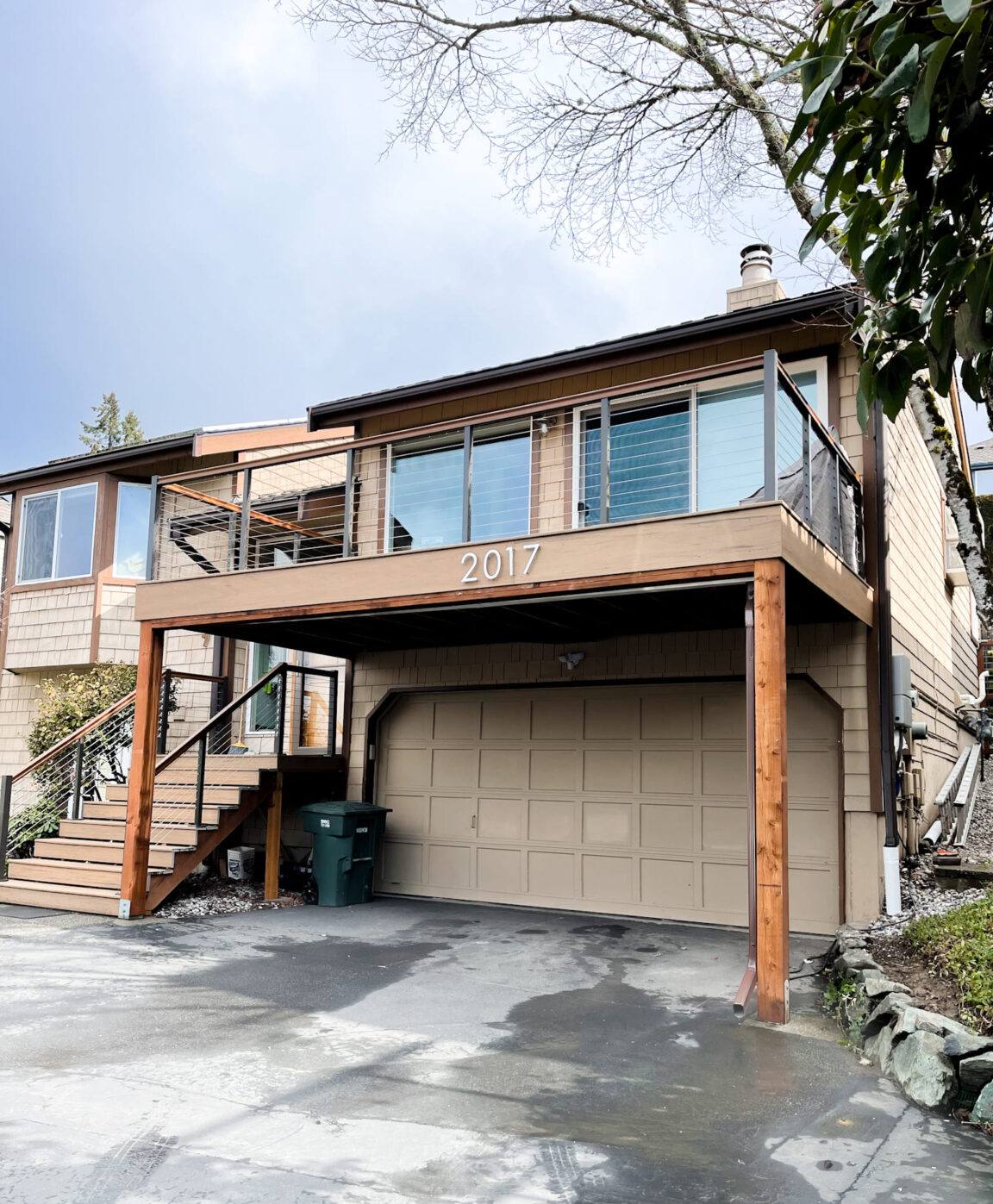
What the Barrier Island Environment Does to a Deck
Longboat Key's location — a narrow strip of land with Gulf and bay water on either side — means every outdoor structure here deals with a combination of stresses that inland Sarasota County homes don't see nearly as intensely.
Salt Air and Corrosion
Airborne salt doesn't just affect homes right on the water. It travels across the whole island and settles on metal surfaces, accelerating rust and corrosion in fasteners, brackets, and railing hardware. Standard hot-dip galvanized screws that hold up fine in a landlocked neighborhood can start streaking and weakening within a couple of years this close to saltwater.
UV Exposure
Florida sun is intense year-round, and a deck with no significant shade cover takes a beating. UV breaks down the surface fibers of wood and lower-grade composite decking, leading to fading, graying, and — in wood — surface checking and splintering.
Wind-Driven Rain and Humidity
Storms here rarely arrive as gentle rain. Wind pushes moisture sideways and up under railings, into fastener holes, and against ledger connections at the house. Combined with the area's high ambient humidity, any spot where water can sit or get trapped becomes a long-term problem — rot in wood framing, moisture intrusion behind ledger boards, or corrosion starting from the inside of a connection point.
Hurricane-Force Wind Loads
A deck isn't just a surface to stand on — it's a structure that has to stay attached to your house and stay standing under real wind pressure. Railings, posts, and the ledger connection all need to be engineered for the wind loads this part of the coast can see, not just built to "feels sturdy."
Choosing Decking Material for a Longboat Key Home
There's no single "best" decking material — the right choice depends on how exposed your site is, how much maintenance you want to do, and your budget. Here's an honest comparison of the main options we work with for barrier island homes.
| Material | Salt Air / Moisture Resistance | Maintenance | Typical Lifespan | Cost Tier |
|---|---|---|---|---|
| PVC / capped composite | Excellent — fully synthetic, doesn't absorb moisture or corrode | Low — occasional washing | 25+ years | Higher |
| Wood-plastic composite (capped) | Very good — capped shell resists moisture and salt staining | Low to moderate | 20-25 years | Mid-high |
| Pressure-treated pine | Fair — treatment resists rot, but surface still weathers and needs upkeep | High — regular sealing/staining | 10-15 years | Lower |
| Tropical hardwood (e.g., ipe) | Good natural density, but needs consistent oiling to prevent graying and checking | High | 20-30 years with upkeep | Higher |
On a barrier island lot with heavy salt exposure, we most often steer homeowners toward capped composite or PVC decking for the field of the deck. It doesn't absorb salt-laden moisture, doesn't need refinishing, and won't gray or splinter the way lower-grade materials will after a couple of Gulf Coast summers. That said, some homeowners want the look and feel of real wood, and that's a legitimate choice too — it just comes with a real maintenance commitment we'll be upfront about before you sign off on it.
Framing, Fasteners, and Hardware That Belong on the Water
The decking surface is what you see, but the framing and hardware underneath are what determine whether the deck is still solid in ten years. This is where a lot of decks near the water actually fail first — not the boards, but the connectors holding everything together.
- Stainless steel or coated marine-grade fasteners in place of standard galvanized hardware
- Corrosion-resistant joist hangers and structural connectors rated for coastal exposure
- Properly flashed ledger board connection to keep wind-driven rain from getting behind it
- Post bases that keep wood framing off wet soil or standing water, especially on lower-lying lots
- Hurricane-rated railing post connections, not just surface-mounted brackets
We treat hardware choice as a structural decision, not an afterthought. Using the wrong fastener on a Longboat Key deck is one of the most common ways we see otherwise well-built decks fail early — usually starting with a railing post that's gone loose because the connector rusted from the inside out.
Wind Ratings, Elevation, and Permitting on Longboat Key
Any custom deck project on the island has to work within local building requirements, and those requirements exist for good reason given the storm exposure here.
Wind Load Engineering
Railings, guardrails, and structural connections need to meet the wind load requirements for this coastal zone. This affects post spacing, connection hardware, and sometimes the overall deck design — a wide-open, high railing catches more wind than a lower, more broken-up design.
Elevation and Flood Considerations
Many homes on Longboat Key sit in flood zones that affect how a structure attached to the house can be built, including ledger height and how the deck interacts with the home's foundation. This gets reviewed as part of permitting, and it's not something to guess at.
Permitting
Deck construction on the island goes through Longboat Key's building department, and depending on your property, an HOA or condo association review may also apply. We pull permits as part of our process rather than leaving that step to the homeowner, and we build to what's approved — not a redesign after the fact.
HOA and Condo Association Rules
A large share of Longboat Key properties are part of an HOA or condo association with its own design guidelines — approved materials, color ranges, railing styles, or setback rules. We factor this in early so the design we bring to permitting is one that's actually going to get approved without a redo.
Our Process for a Longboat Key Custom Deck
- Site visit and assessment — we look at sun exposure, water proximity, existing structure condition, access, and any HOA guidelines that apply to your property.
- Design and material selection — we walk through decking material, railing style, and layout options based on how you'll actually use the space and how exposed the site is.
- Permitting — we prepare and submit what's needed for Longboat Key building department approval, including wind load and, where applicable, flood zone requirements.
- Construction — framing with corrosion-resistant hardware, properly flashed ledger connections, and decking installed to manufacturer and code specifications.
- Final walkthrough — we go over the finished deck with you, including what maintenance (if any) it needs going forward.
We keep you in the loop at each stage rather than disappearing between the estimate and the finished product — on an island with limited access points and tight scheduling around bridge traffic and delivery timing, clear communication about timeline matters more than it might on a mainland job.
Maintaining a Deck in Longboat Key's Salt Air Climate
Even a well-built deck needs some ongoing attention in this environment. What that looks like depends heavily on the material you chose.
- Rinse the deck surface periodically to clear salt residue, especially after storms or high-wind days
- Check railing posts and connections at least once a year for any looseness or surface rust
- Keep gutters and nearby drainage clear so water isn't sheeting onto the deck or ledger area
- For wood decking, plan on resealing or oiling on the schedule the product requires — skipping a cycle out here shows up fast
- Inspect under the deck (if accessible) for signs of moisture trapped against framing or the house ledger
- After a major storm, do a visual check of railings and stairs before regular use resumes
Composite and PVC decking cut this list down significantly, which is a big part of why we recommend it for most barrier island applications — less time maintaining, more time using the deck it was built for.
Why Local Deck-Building Experience Matters Here
A deck contractor who mostly works inland can still build something that looks right on Longboat Key. Whether it holds up is a different question. Getting it right here means understanding how salt air actually behaves on hardware over years — not just at handoff, knowing the wind load and flood zone requirements that apply on the island, having a working relationship with Longboat Key's permitting process, and being familiar with how HOA and condo association design review typically runs so the project doesn't stall waiting on approvals.
It also means understanding the practical side of building on a barrier island — coordinating deliveries and equipment access across a limited number of bridges, working efficiently on tighter lots that are common near the water, and scheduling around the realities of island traffic and seasonal demand. None of that shows up in a deck's finished look, but all of it affects whether the project goes smoothly and finishes on time.
Get a Free Estimate for Your Longboat Key Deck
If you're planning a new deck or replacing one that hasn't held up to island conditions, we're happy to take a look and talk through what makes sense for your specific property, budget, and how you plan to use the space. There's no pressure and no obligation — just a straight assessment from a crew that already knows what building on Longboat Key requires. Use the form below to request your free estimate.