 Sarasota Siding
 Metal Roofing in Rosemary District: Built for What Sarasota Throws at a Roof
Rosemary District sits close enough to the water and to downtown Sarasota that its roofs take a specific kind of beating: salt-laden air drifting in off the bay, intense UV exposure nearly every day of the year, wind-driven rain that finds every weak seam, and the occasional hurricane-force gust that tests fastener holding power more than anything else. Older bungalows and cottages in the neighborhood, along with the newer infill homes and mixed-use buildings that have gone up around them, all face the same climate math. Metal roofing, installed correctly for this specific environment, holds up to that math better than most alternatives — but "installed correctly" is doing a lot of work in that sentence, and it's the part that separates a roof that lasts thirty-plus years from one that fails at year eight.
This page covers what a metal roof needs to actually perform in Rosemary District, what a correct installation involves, how we run the job from first call to final walkthrough, and why local install experience matters as much as the metal itself.
Why Rosemary District's Conditions Change the Job
Every roofing job in Sarasota County deals with heat, humidity, and storm risk. Rosemary District's location adds a few specifics worth naming directly:
Salt Air and Corrosion
Proximity to Sarasota Bay means airborne salt is a constant, low-level presence even on a calm day. Salt accelerates corrosion at fasteners, cut edges, and any spot where dissimilar metals touch. A metal roof spec'd for an inland property — cheaper coatings, standard steel fasteners, no attention to galvanic separation — will show rust and pitting years before a coastal-rated system would in the same yard.
UV Load
Florida sun is hard on every roofing material, but it's especially hard on paint systems and sealants. A metal panel's finish is what protects the substrate underneath; if that finish chalks, fades, or breaks down early, the panel's real service life shortens even if the metal itself is structurally fine.
Wind-Driven Rain
Sarasota's storm pattern isn't just wind and it isn't just rain — it's rain being pushed sideways and upward into laps, seams, and penetrations that were never designed to shed water from that angle. A roof that looks watertight in a straight downpour can still leak in a wind-driven event if the underlayment and seam details weren't built for it.
Wind Uplift
Hurricane-force gusts put uplift pressure on every square foot of roof, concentrated hardest at the edges, ridges, and corners. Fastening pattern, panel gauge, and clip spacing all matter more here than they would in a low-wind region — this is not a place to spec a roof to the bare minimum code allows and call it done.
What a Correctly Built Metal Roof Includes
A metal roof is a system, not just a set of panels. Every layer below the visible metal is doing real work, and skipping or under-speccing any of them is where most premature failures start.
- Deck inspection and repair — any soft, rotted, or delaminated decking gets replaced before anything goes on top of it. Fastening a new roof over a compromised deck just hides the problem.
- Self-adhered underlayment at critical zones — valleys, eaves, and penetrations get a fully adhered, high-temp-rated underlayment that seals around fastener penetrations, not just a mechanically attached felt.
- Corrosion-appropriate fasteners — matched to the panel metal to avoid galvanic corrosion, with coastal-grade coatings where the property's exposure calls for it.
- Panel gauge and profile matched to wind exposure — heavier gauge and tighter clip spacing where the site's wind exposure and roof geometry demand it, not a one-size spec applied everywhere.
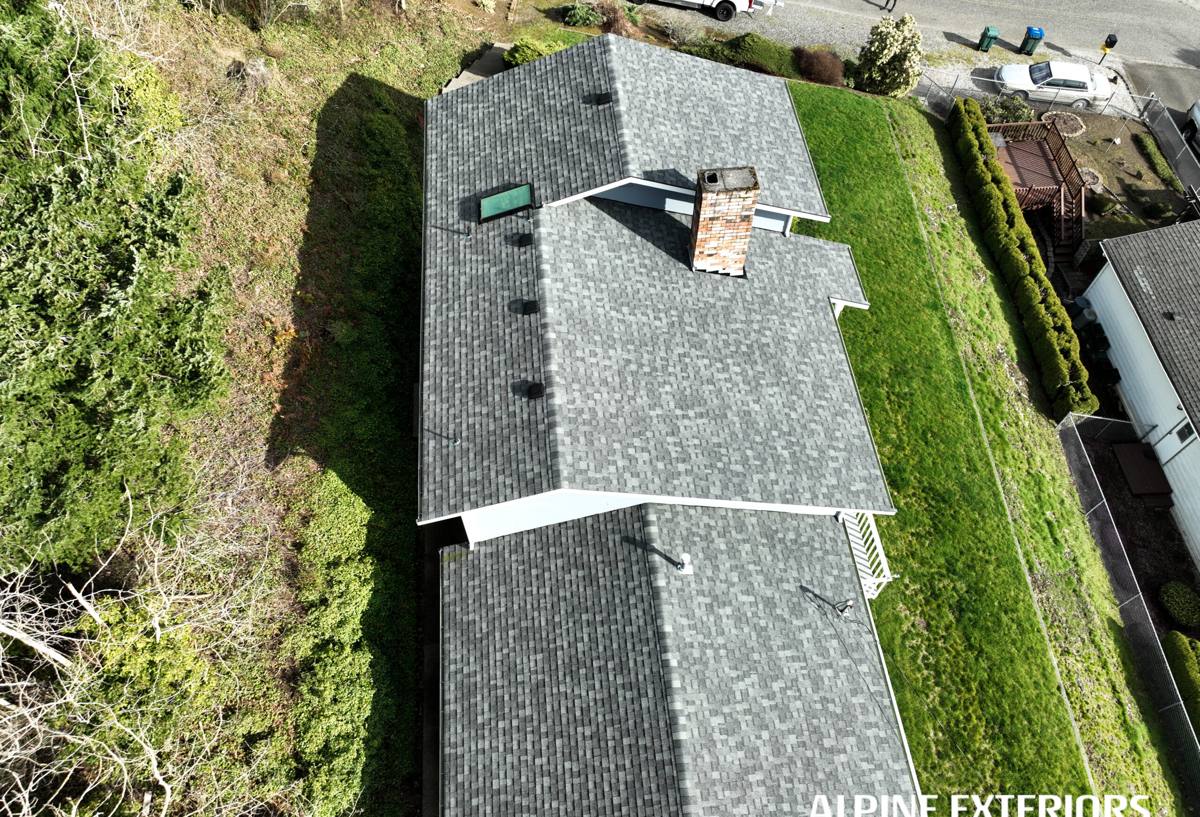
- Properly detailed flashing at every penetration — chimneys, vents, skylights, and wall transitions are where most metal roof leaks actually originate, not the field panels themselves.
- Ridge and hip ventilation that's sized correctly for the attic space, so the roof assembly isn't trapping heat and moisture underneath the metal.
Panel Types We Discuss With Rosemary District Homeowners
Not every metal roofing product fits every home, budget, or roofline. Here's how the main options compare for this area's conditions:
| Panel Type | Best Fit | Coastal/Wind Notes |
|---|---|---|
| Standing seam (concealed fastener) | Most Rosemary District homes, especially where long-term durability and clean lines matter | No exposed fasteners to work loose or corrode over time; strongest wind-uplift performance when clipped correctly |
| Exposed-fastener panels (5V, corrugated) | Budget-conscious projects, outbuildings, some historic-style renovations | Lower upfront cost, but fasteners are a maintenance item — they need periodic inspection and eventual re-torquing or replacement as gaskets age |
| Stone-coated steel | Homeowners who want a shingle or tile look with metal's durability underneath | Good wind and impact resistance; coating adds a layer that needs correct install to avoid trapping moisture at cut edges |
We don't push exposed-fastener systems as a long-term coastal solution for this neighborhood's exposure unless budget genuinely requires it — the maintenance burden of periodically checking and replacing fastener gaskets is a real ongoing cost, and it's one we'd rather a homeowner walk in knowing about than discover after the first leak.
How We Approach a Rosemary District Metal Roof Project
1. On-Site Assessment
We walk the roof and attic, not just the exterior. Deck condition, existing ventilation, current flashing details, and the home's actual wind exposure (open lot versus shielded by neighboring structures) all factor into the spec we recommend — a canned quote from a photo isn't enough for a coastal property.
2. Written Scope and Product Spec
Before any work starts, you get a clear written scope: panel type and gauge, underlayment system, fastener spec, flashing details, and ventilation plan. No verbal promises that don't make it into the paperwork.
3. Tear-Off and Deck Repair
Old roofing comes off, the deck gets inspected board by board, and any compromised sections are replaced before underlayment goes down. This is the step that's easiest to shortcut and most important not to.
4. Underlayment and Flashing First
We build the water-management layer completely before a single metal panel goes on — self-adhered membrane at valleys and eaves, proper flashing at every wall and roof transition, and correct venting components installed and sealed.
5. Panel Installation
Panels go down to the fastening pattern and clip spacing specified for the site's wind exposure — not a generic pattern applied regardless of roof geometry or corner/edge zones, which take the highest uplift load in a storm.
6. Final Walkthrough
We walk the finished roof with you, cover the warranty coverage in plain terms, and make sure you know what routine maintenance (if any) the specific panel system needs going forward.
Cost Factors Worth Understanding Up Front
Metal roofing costs more upfront than asphalt shingles, and the range on any given home depends on more than square footage alone. Rather than quote a number that won't match your specific roof, here's what actually moves the price:
| Factor | Why It Matters |
|---|---|
| Panel type and gauge | Standing seam with heavier gauge costs more than exposed-fastener panels, but reduces long-term maintenance |
| Roof complexity | Multiple valleys, dormers, and penetrations mean more flashing labor and material, which adds cost regardless of panel choice |
| Deck condition | Rot or delamination found at tear-off adds repair cost that's impossible to quote sight-unseen |
| Underlayment spec | Full self-adhered coverage versus critical-zones-only changes material cost and long-term water resistance |
| Wind exposure of the site | Open, exposed lots may call for tighter fastening patterns and heavier clips, adding labor |
We'll walk your specific roof and give you real numbers tied to your actual conditions rather than a broad estimate that doesn't account for what's actually up there.
Maintenance That Actually Extends Roof Life
A correctly installed metal roof is low-maintenance, not no-maintenance. A few habits go a long way in this climate:
- Rinse accumulated salt residue and debris off the roof surface periodically, especially after long dry stretches followed by rain.
- Keep gutters and valleys clear so wind-driven rain has a clear path off the roof instead of pooling at transitions.
- Have flashing and penetration seals inspected after any major named storm, even if there's no visible leak — small seal failures don't always show up inside right away.
- Trim back overhanging branches that can drop debris or scuff panel coatings over time.
- Note any fastener heads that look raised, loose, or rust-streaked on exposed-fastener systems and have them addressed before they become a leak path.
Why Local Rosemary District Experience Matters
A metal roof spec that works fine in a low-wind, low-salt part of the country can underperform here if it's applied without adjustment. Knowing how Sarasota County's wind exposure categories and coastal salt load actually affect a given roofline — not just in the abstract, but on the specific streets and lot orientations in and around Rosemary District — is what separates a spec that survives its first real hurricane season from one that doesn't. It also means we're not learning the neighborhood's older home construction, common deck materials, or typical attic ventilation setups on your job; we've already seen the patterns.
Permitting and inspection requirements in Sarasota County also matter here — metal roofing installations need to meet the wind-uplift and product-approval standards that apply in this jurisdiction, and getting that paperwork and inspection sequence right the first time avoids delays that a homeowner shouldn't have to manage themselves.
Get a Straight Answer for Your Roof
If you're weighing metal roofing for a home in Rosemary District, we're happy to walk the roof, look at the deck and attic, and give you a clear, honest recommendation — including telling you if a different approach makes more sense for your specific situation. Fill out the form below for a free, no-pressure estimate.