 Sarasota Siding
 Building New in Palmer Ranch? The Windows Have to Match the Climate, Not Just the Floor Plan
Palmer Ranch sits in one of the fastest-growing pockets of Sarasota County, and a lot of what's going up right now is new single-family construction, townhomes, and infill builds inside its established communities. When we get called out for a new-construction window job here, the request is rarely "just install what's on the plans." It's usually a builder, GC, or homeowner who wants someone who understands that a window package speced for a subdivision in Ohio doesn't automatically work fifteen miles from the Gulf. Sarasota's combination of hurricane-force wind events, intense year-round UV, wind-driven rain, and salt-laden air means the window isn't just an opening in the wall — it's one of the building envelope's hardest-working components from day one.
New construction is actually the best time to get this right. Unlike a retrofit, you're not working around an existing rough opening, old flashing, or someone else's caulk job. You get to set the window correctly the first time — proper flange, proper flashing sequence, proper fastening pattern — so it performs for decades instead of needing attention in year three.
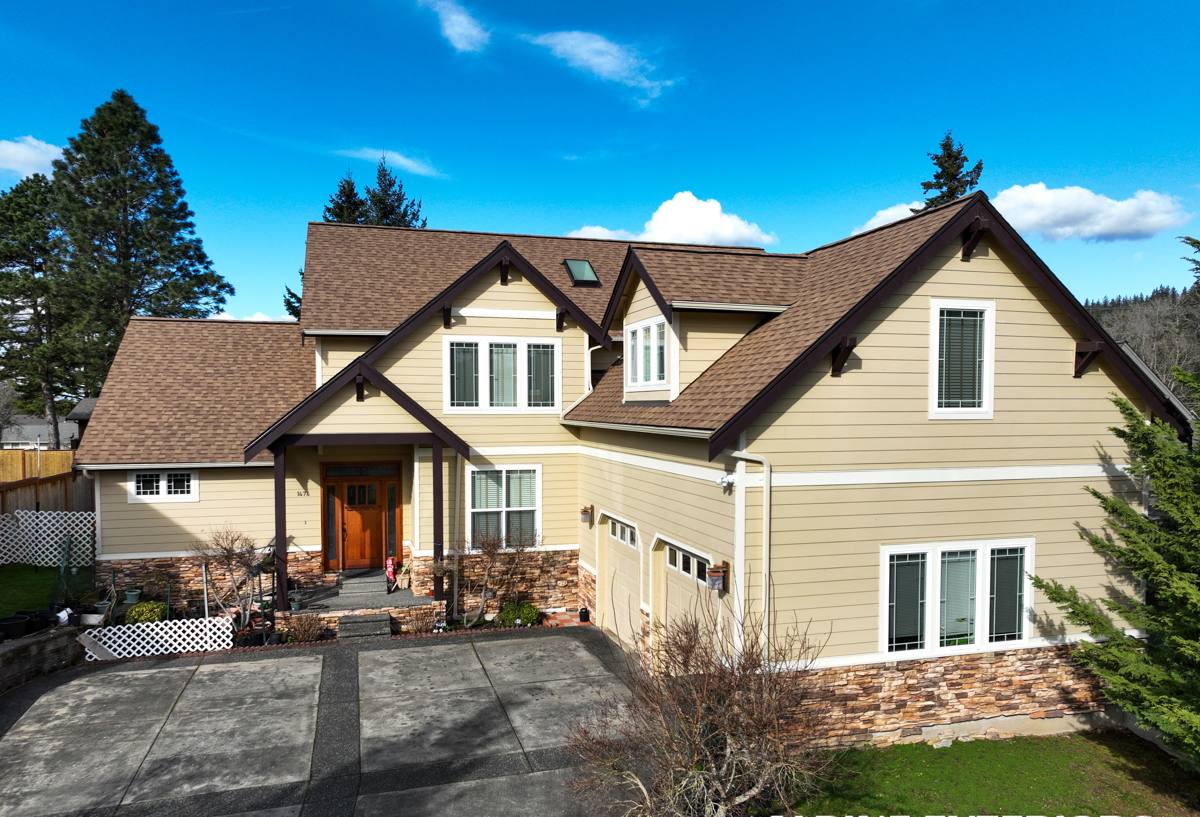
What "New-Construction" Windows Actually Means
In the trade, "new-construction" windows are a specific product category, not just windows installed in a new house. They have a nailing flange (also called a flange or fin) built around the perimeter of the frame that gets fastened directly to the sheathing before siding, stucco, or brick veneer goes on. This is different from a "replacement" or "insert" window, which is designed to fit inside an existing frame during a remodel with no flange exposed.
The flange matters because it's the foundation of the whole water-management system at that opening. Get the flange installation and flashing sequence wrong, and no amount of caulk fixes it later — the leak just shows up behind the wall where nobody can see it until there's damage.
Why this distinction matters in Palmer Ranch specifically
Most of the new builds and additions we see here use stucco or fiber cement exteriors, both of which depend entirely on correct flashing behind the finish material. If the window and the wall assembly aren't integrated correctly during the rough-in stage, the finish material can look perfect for years while water is already getting behind it.
What Sarasota's Climate Actually Demands From a New Window
Four regional factors drive nearly every decision we make on a Palmer Ranch new-construction job:
- Wind load: Florida Building Code requires windows in this region to carry a design pressure (DP) rating appropriate to the site's wind exposure and the structure's height and location. This isn't optional or a builder's preference — it's tested and labeled per window.
- Wind-borne debris protection: Coastal Sarasota County falls within Florida's wind-borne debris requirements, meaning openings need either impact-rated glazing or an approved protective system. New construction is the cleanest time to build this in rather than bolt it on later.
- UV exposure: Florida gets more annual sun hours than almost anywhere else in the country. Frame materials, seals, and low-E coatings all degrade at different rates under that load — cheap vinyl and low-grade weatherstripping show it first.
- Salt air corrosion: Even homes a few miles inland get salt-laden air on onshore wind days. Hardware, screws, and flashing metals that aren't rated for coastal exposure corrode faster than most homeowners expect.
None of these show up as a problem on move-in day. They show up in year four or five, which is exactly why the installation details matter more than the window brand's marketing.
Window Types and Trade-Offs for Palmer Ranch New Builds
| Option | Where it fits | Trade-offs to know |
|---|---|---|
| Impact-rated single or dual pane | Most new Palmer Ranch homes needing wind-borne debris compliance without separate shutters | Higher upfront cost; laminated glass adds weight, which affects frame and hardware sizing |
| Non-impact + engineered shutter system | Budget-driven builds, or additions matching an existing non-impact home | Requires a compliant shutter plan on file and deployment before storms — an added task for the homeowner |
| Vinyl frame | Cost-conscious new construction | Performs fine when it's a UV-stabilized, coastal-rated product; lower-grade vinyl chalks and warps faster under Florida sun |
| Aluminum frame | Larger openings, contemporary Palmer Ranch designs | Strong for spans but needs a thermal break and marine-grade hardware to hold up to salt air long-term |
| Fiberglass frame | Homeowners prioritizing lifespan over lowest cost | More stable dimensionally in heat swings; higher material cost than vinyl |
We don't push one frame material as universally "best" — we size the recommendation to the specific elevation, exposure, and budget. A window on a west-facing wall catching afternoon sun and prevailing wind has different priorities than one on a sheltered interior courtyard, even on the same house.
Our Installation Process on New-Construction Jobs
The steps below are what separates a window that performs for 20+ years from one that starts failing quietly behind the wall:
- Rough opening check: Verify the opening is square, level, and sized correctly before the window ever shows up — catching framing errors now is far cheaper than after siding is on.
- Sill pan flashing: A sloped, sealed pan at the bottom of the opening so any water that gets past the window sheds outward, not into the wall cavity.
- Window set and shimmed: Set plumb, level, and square, shimmed at manufacturer-specified points so the frame isn't stressed and hardware operates smoothly for years.
- Flange fastening: Fastened per the manufacturer's pattern and spacing — this is what the DP rating actually depends on, not just the glass.
- Flashing tape and integration: Jamb and head flashing lapped correctly with the house wrap or weather-resistive barrier so water sheds down and out, never into the seams.
- Sealant at the right layer, not as a substitute for flashing: Sealant backs up the flashing system; it's never used in place of it.
- Final inspection walk: Every opening checked before the next trade closes it up with siding or stucco.
Mistakes We See on New Builds Around Sarasota County
A lot of what we get called in to correct in Palmer Ranch and nearby communities traces back to a few recurring shortcuts:
- Sealant used as the primary water barrier instead of proper flashing — it fails silently within a few seasons in this climate.
- Fasteners or flashing metals that aren't corrosion-resistant, chosen without accounting for salt air.
- Windows installed without a sill pan, relying only on the sill flange.
- Impact-rated windows installed with standard, under-spec fasteners that don't actually deliver the tested wind performance.
- Stucco or siding closed up before the flashing integration was inspected, hiding the problem until a leak shows up inside.
Why a Crew That Already Works Palmer Ranch Matters
New-construction window work isn't just about the product — it's about knowing how the local building department reviews window installations, what inspectors here actually check, and how the area's soil, drainage, and typical foundation movement interact with rough openings over time. A crew that's done this work across Palmer Ranch and the surrounding Sarasota County communities isn't guessing at wind exposure categories or flashing details for our specific coastal conditions — we've already worked through them on homes near yours. That also means faster scheduling coordination with GCs, fewer surprises during inspection, and a crew that shows up knowing the permitting process rather than learning it on your project.
Keeping New Windows Performing Long-Term
A correctly installed window still benefits from basic upkeep in this climate:
- Rinse accumulated salt residue off frames and glass periodically, especially on homes closer to open water or exposed to onshore wind.
- Inspect exterior sealant lines annually for cracking or separation — sealant is a maintenance item, flashing is not.
- Operate and lubricate hardware on operable windows a few times a year so components don't seize from heat and humidity cycles.
- Have any storm-related debris impact checked promptly, even if the glass looks intact, since frame or seal damage isn't always visible.
Cost Factors on Palmer Ranch New-Construction Window Packages
| Factor | How it moves the price |
|---|---|
| Impact vs. non-impact glazing | Impact-rated units cost more upfront but remove the need for separate storm shutters or panels |
| Number and size of openings | Larger, more numerous openings (common in Palmer Ranch's open-concept plans) increase both material and labor |
| Frame material | Vinyl generally lowest cost; fiberglass and quality aluminum cost more but resist Florida's heat and salt exposure longer |
| Elevation and access | Second-story or hard-to-access openings add labor time |
| Coordination with other trades | Scheduling around framing, house wrap, and stucco/siding crews affects timeline more than final cost, but delays can add cost |
We give homeowners and builders a straightforward breakdown of these factors rather than a single lump number, so you can see exactly what's driving the price on your specific plan.
If you're building, adding on, or coordinating window packages for a project in Palmer Ranch, we're glad to walk the plans with you and give a free, no-pressure estimate — just fill out the form below.