 Sarasota Siding
 Bee Ridge Roofs Work Harder Than Roofs Almost Anywhere Else
If you own a home in Bee Ridge, your roof isn't just shedding rain a few times a year — it's absorbing a full Florida climate load every single day. Sarasota County sun puts intense, near-constant UV on asphalt and metal surfaces. Summer and fall bring the real test: tropical systems and hurricane-force wind gusts that find every weak nail pattern, lifted shingle tab, or under-flashed penetration. Add wind-driven rain that gets pushed sideways under standard flashing, and salt-laden air drifting in off the Gulf that slowly corrodes fasteners and metal components, and you've got a roofing environment that punishes shortcuts fast.
A roof installed to a generic national standard doesn't hold up the same way here. A new roof installation in Bee Ridge needs to be built specifically for this climate — the right underlayment, the right fastening schedule, the right flashing details — not just "a new roof that looks fine on install day."
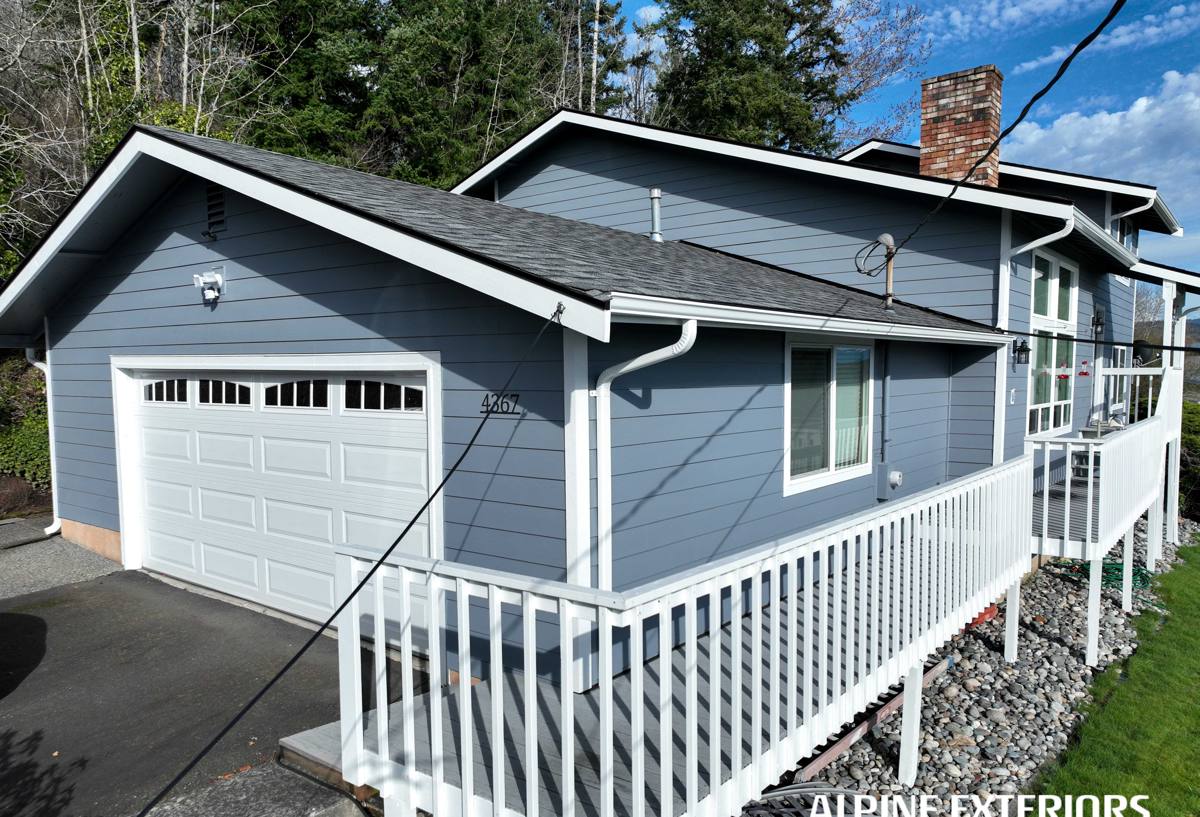
Signs a Bee Ridge Roof Needs Full Replacement, Not Another Repair
Roof repairs make sense when the damage is isolated and the roof still has useful life left. Replacement makes sense when the roofing system itself — not just one spot — is compromised. Here's what tends to tip a home from "repair" into "replace" territory:
- Shingles that are curling, cupping, or losing granules across large areas, not just one section
- Multiple past repairs in different areas of the roof over the last few years
- Soft spots or sagging in the roof deck when walked or inspected
- Daylight visible through the attic at the roof boards, or recurring attic moisture
- A roof approaching or past 20-25 years old (asphalt) or showing age-related wear consistent with its material's expected lifespan
- Difficulty getting affordable insurance coverage or a wind mitigation credit due to roof age or condition
- Visible storm damage — creased shingles, exposed fasteners, or flashing pulled loose after high wind events
If you're only seeing one or two of these, a repair may still be the right call. We'll tell you honestly which category your roof falls into — we don't sell replacements to homeowners who just need a repair.
What a Correct Roof Installation Actually Involves
Tear-Off and Deck Inspection
Every proper installation starts with a full tear-off down to the deck — never a layover on top of old roofing. This is the only way to actually inspect the plywood or OSB decking underneath for rot, delamination, or fastener pull-through, all of which are common in older Sarasota County homes that have taken on years of humidity and heat cycling. Any damaged decking gets replaced before anything new goes down; installing new roofing over a compromised deck just hides the problem until it fails from the inside.
Underlayment and Secondary Water Barrier
In a region that sees wind-driven rain pushed sideways and even upward under roof edges, the underlayment layer matters as much as the visible roofing material. We use synthetic or self-adhering underlayment systems rated for high-wind, high-moisture climates, with special attention to a sealed secondary water barrier at seams and deck joints — this is what keeps a home dry even if wind ever lifts or damages the outer roofing layer during a storm.
Flashing Details
Most roof leaks in Sarasota County homes don't start in the open field of the roof — they start at penetrations: chimneys, plumbing vents, skylights, and roof-to-wall transitions. Correct flashing, properly stepped and sealed at every one of these points, is where careful installation crews separate themselves from crews that just cover square footage quickly.
Ventilation
A roofing system needs balanced intake and exhaust ventilation to let heat and moisture escape the attic. Skipping or under-sizing ventilation shortens the life of the roofing material from underneath, even when the outer surface looks fine, and it drives up attic temperatures in a climate that's already hot most of the year.
Choosing the Right Roofing Material for This Climate
There's no single "best" roofing material for every home — the right choice depends on your home's structure, your budget, and how long you plan to stay in the house. Here's an honest comparison of the main options we install in Bee Ridge and greater Sarasota County:
| Material | Wind Performance | Salt Air / UV Durability | Maintenance | Typical Lifespan |
|---|---|---|---|---|
| Architectural Asphalt Shingle | Good, rated for regional wind zones when properly fastened | Solid; quality granule coatings resist UV fading and salt exposure | Low | 20-30 years |
| Standing Seam Metal | Excellent; concealed fasteners resist wind uplift well | Very good with coastal-rated coatings and stainless fasteners | Low | 40-50+ years |
| Concrete or Clay Tile | Excellent when properly fastened, but individual tiles can crack from wind-blown debris | Excellent; largely unaffected by UV or salt | Moderate (occasional tile replacement) | 40-50+ years |
We'll walk you through which option makes sense for your roof structure and budget — including honest tradeoffs like upfront cost versus long-term maintenance, and how each material affects your home insurance premium and wind mitigation credits.
Permits, Wind Ratings, and Florida Building Code
Sarasota County sits within Florida's wind-borne debris region, which means permitted roofing work here has to meet specific wind-uplift resistance and fastening standards enforced by the county building department — not the lighter standards used inland or in other states. This affects everything from nail pattern and fastener count to underlayment type and how ridge caps are secured.
We pull the required permits, schedule the mandatory inspections, and install to the wind-uplift rating your roof structure and location require. Skipping permits might save a few days, but it leaves you without a documented, inspected installation — which can become a real problem at resale or when filing an insurance claim after a storm.
Our Installation Process, Start to Finish
- Inspection and estimate — We assess your current roof, attic ventilation, and deck condition, and give you a clear, itemized estimate with no pressure to decide on the spot.
- Material selection — We help you weigh shingle, metal, or tile against your budget, home style, and how long you plan to stay in the home.
- Permitting — We handle the Sarasota County permit application and schedule required inspections before work begins.
- Tear-off and deck repair — Full removal of old roofing, deck inspection, and replacement of any compromised sections.
- Underlayment and flashing — Installation of a wind- and moisture-rated underlayment system with properly sealed flashing at every penetration and transition.
- Roofing installation — Your chosen material installed to manufacturer specifications and the fastening schedule required for our wind zone.
- Final inspection and walkthrough — County inspection sign-off, followed by our own walkthrough with you so you know exactly what was done.
- Cleanup — Full site cleanup, including magnetic sweep for stray nails and debris removal.
Why It Matters That We Already Work in Bee Ridge
A crew that's already familiar with Bee Ridge isn't guessing at how this neighborhood's homes are built or how Sarasota County's permitting office wants paperwork submitted. That familiarity shows up in small but real ways: knowing what typical deck and truss conditions look like in homes of a given age here, working efficiently with the county inspection schedule instead of losing days to avoidable back-and-forth, and being realistic with you about timing around hurricane season, when demand for roofing crews spikes and materials can see delays.
It also means we're not a crew that shows up once, installs, and disappears out of the area. If a warranty question or a post-storm concern comes up down the road, we're still working in this community and easy to reach.
Protecting Your New Roof After Installation
A correctly installed roof still benefits from basic upkeep, especially in a climate this demanding:
- Keep gutters and downspouts clear so water isn't backing up under roof edges
- Trim back overhanging tree limbs that can drop debris or hold moisture against the roof surface
- Have the roof visually checked after any major storm, even if nothing looks obviously wrong
- Keep attic ventilation clear and unobstructed by insulation or storage
- Keep your installation paperwork and permit records on file for insurance and resale purposes
We'll also walk you through your specific manufacturer warranty terms and our own workmanship coverage at the end of the job, so you know exactly what's covered and for how long.
What Roof Replacement Typically Costs
Costs vary widely based on roof size, pitch, material choice, deck condition, and how much tear-off is involved — we won't quote a number here that doesn't apply to your actual home. What we can tell you is that material choice is usually the biggest cost driver: architectural asphalt shingle is the most budget-friendly option, while metal and tile represent a higher upfront investment in exchange for a significantly longer lifespan and lower long-term maintenance. Deck repairs, if your inspection turns up rot or damage, are billed separately and transparently rather than buried into a vague lump sum.
The only way to get an accurate number is a real, on-site inspection of your specific roof — which is exactly what we offer with no obligation attached.
If your Bee Ridge roof is showing its age or storm wear, we're happy to take a look and give you a straight, no-pressure assessment. Use the form below to request a free estimate — no obligation, no sales pressure, just an honest read on what your roof actually needs.