 Sarasota Siding
 Why Laurel Park Roofs Take a Beating
Laurel Park sits in one of Sarasota's older, tree-lined pockets, and that shade and charm come with a roofing trade-off. Overhanging canopy keeps organic debris — leaves, pollen, seed pods — collecting in valleys and against roof-to-wall transitions year-round, which holds moisture against shingles and underlayment longer than a home in an open subdivision would experience. Add in Sarasota County's broader climate load — hurricane-force wind gusts during storm season, intense UV exposure nearly every month of the year, wind-driven rain that finds any weak flashing point, and salt-laden air drifting in off the Gulf — and you get a combination that ages roofing materials faster than most manufacturers' national warranty language accounts for.
None of this means Laurel Park homes need something exotic. It means the installation details — deck condition, fastening pattern, flashing, ventilation, and underlayment choice — matter more here than they would in a milder climate. A new roof installed to minimum code will survive. A new roof installed correctly for this specific neighborhood's conditions will hold up, stay watertight, and keep insurance underwriters satisfied for the long haul.
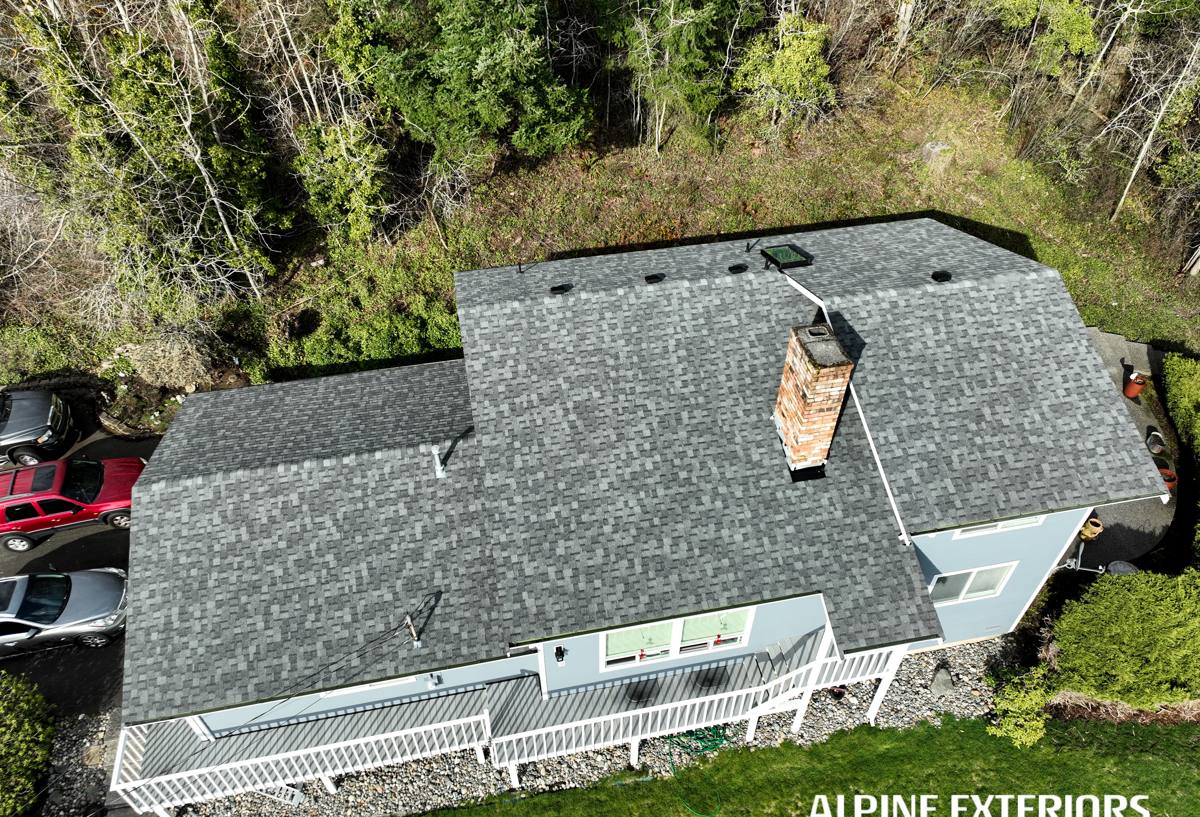
Signs a Laurel Park Home Needs a New Roof, Not Another Repair
Repairs make sense when damage is isolated. A full new roof installation becomes the honest recommendation when the underlying issues are systemic. Homeowners in this area should watch for:
- Granule loss showing up in gutters or at downspout discharge points, indicating shingles are past their protective lifespan
- Curling, cupping, or cracked shingles, especially on south- and west-facing slopes that take the most direct UV exposure
- Soft spots or visible sagging in the roof deck when walked or viewed from the attic
- Water stains on interior ceilings or attic sheathing, even small ones, after wind-driven rain events
- Rusted, lifted, or missing flashing around chimneys, skylights, and roof-to-wall junctions
- A roof approaching or past 20 years old, or one that has already been repaired multiple times after storm seasons
- Difficulty getting affordable wind insurance coverage, or an insurer requesting a four-point inspection
If a roof is showing two or more of these signs, patch repairs usually become a cycle of spending money without solving the underlying problem.
What a Correct New Roof Installation Actually Involves
Starting With the Deck
Every proper installation starts with a full tear-off, not a layover. That's the only way to inspect the roof deck itself — plywood or OSB sheathing that may have soft or delaminated sections from years of slow leaks that were never visible from inside the attic. Any compromised decking gets replaced before a single course of underlayment goes down. Skipping this step is the single most common shortcut that leads to premature roof failure, and it's invisible once the new roofing is installed over it.
Underlayment and Water Barrier
Given the wind-driven rain this area sees during tropical systems, underlayment choice matters. A synthetic or self-adhering underlayment at vulnerable areas — eaves, valleys, and penetrations — provides a real secondary water barrier if wind ever lifts a shingle edge. This is a place where cutting corners saves very little money up front and costs a lot later.
Flashing Details
Flashing failures, not shingle failures, cause most of the leaks we get called out to diagnose on existing roofs. Chimneys, skylights, sidewall transitions, and any roof-to-wall connection need properly formed and sealed flashing, not just caulk. Caulk is a maintenance item, not a waterproofing strategy, and it degrades quickly under constant Florida UV.
Fastening for Wind Uplift
Sarasota County's building code sets minimum nailing patterns and wind-uplift ratings based on the local wind zone, and homes in this area should be installed to meet or exceed those requirements, not just the manufacturer's lowest published standard. Correct nail placement, count, and shingle sealing are what actually keep a roof on the house during a wind event — not the shingle brand name.
Ventilation
An underventilated attic traps heat and humidity, which shortens the life of both the roofing above and the insulation below. Balanced intake and exhaust ventilation is part of a correct installation, not an optional upgrade.
Roofing Material Options for Laurel Park Homes
There's no single "best" roofing material for every Sarasota County home — it depends on the house's architecture, budget, and how long the homeowner plans to stay. Here's an honest comparison of what we install most often in this area:
| Material | Typical Lifespan Here | Wind/Storm Performance | Maintenance Notes |
|---|---|---|---|
| Architectural asphalt shingle | 18-25 years | Good, with proper nailing pattern and high wind-rated product line | Lowest upfront cost; periodic granule loss inspection recommended |
| Standing seam metal | 40-50+ years | Excellent uplift resistance when properly fastened | Higher upfront cost; minimal ongoing maintenance |
| Concrete or clay tile | 30-50 years | Very good, but individual tiles can crack from impact or foot traffic | Underlayment typically needs replacement before the tile itself |
We'll walk through which option fits a specific home's roof pitch, structure, and budget honestly, including the trade-offs — tile looks great but adds weight the structure needs to support, and metal costs more upfront but spreads that cost over a much longer service life.
Our Installation Process
- On-site inspection and estimate — we walk the roof, check the attic, and give a written scope with no pressure to sign anything on the spot
- Material selection — we help match the product to the home's structure, HOA guidelines where applicable, and budget
- Permitting — we pull the required Sarasota County roofing permit and handle scheduling the inspections it requires
- Tear-off and deck inspection — old roofing removed, deck inspected, any damaged sheathing replaced
- Underlayment and flashing installation — water barrier and flashing details installed to current wind-zone standards
- Roofing installation — shingles, metal, or tile installed per manufacturer specification and local code fastening requirements
- Final walkthrough and cleanup — magnetic sweep for nails, debris removal, and a final inspection with the homeowner before we consider the job done
Permits, Codes, and Insurance in Sarasota County
A new roof in Sarasota County requires a permit and inspection — this isn't optional paperwork, it's what confirms the work meets current wind-uplift and building code requirements for this region. Skipping permitting to save time is a red flag for any contractor, since it leaves the homeowner without proof the roof was installed to code, which can complicate both insurance claims and future home sales. A properly permitted, code-compliant installation is also frequently what unlocks better wind mitigation insurance credits, since insurers want documentation of the roofing system's age, material, and installation standard.
What Influences the Cost of a New Roof Here
Every home is different, but the main cost drivers for a Laurel Park roof replacement are consistent:
| Factor | Why It Matters |
|---|---|
| Roof size and number of facets | More square footage and more valleys/hips mean more material and labor |
| Deck condition | Rotted or delaminated sheathing found during tear-off adds material and labor cost |
| Material choice | Shingle, metal, and tile carry different material and labor costs per square |
| Roof pitch and accessibility | Steep or hard-to-access roofs take longer and require more safety setup |
| Ventilation and flashing upgrades | Bringing older ventilation or flashing up to current standards adds scope but reduces future risk |
We won't quote a number without seeing the roof — anyone who does is guessing. What we can promise is a written, itemized estimate before any work begins, so there are no surprises once tear-off starts.
Why Local Experience in This Neighborhood Matters
Laurel Park's mix of older homes and mature tree canopy means roofs here deal with debris load, shade-driven moisture retention, and mixed roof ages that a crew unfamiliar with the neighborhood might not anticipate. A contractor who already works in this part of Sarasota knows what to check for beyond the standard inspection checklist, understands the county's permitting process well enough to keep a project moving instead of stalling in paperwork, and can speak plainly about how the coastal climate here — the wind, the UV, the salt air — should shape material and installation choices for this specific house, not a generic one.
If your roof in Laurel Park is showing its age or you just want an honest second opinion before storm season, we're happy to take a look. The estimate is free, there's no pressure, and you'll get a straight answer about whether you need a new roof or just a targeted repair — use the form below to get started.