 Sarasota Siding
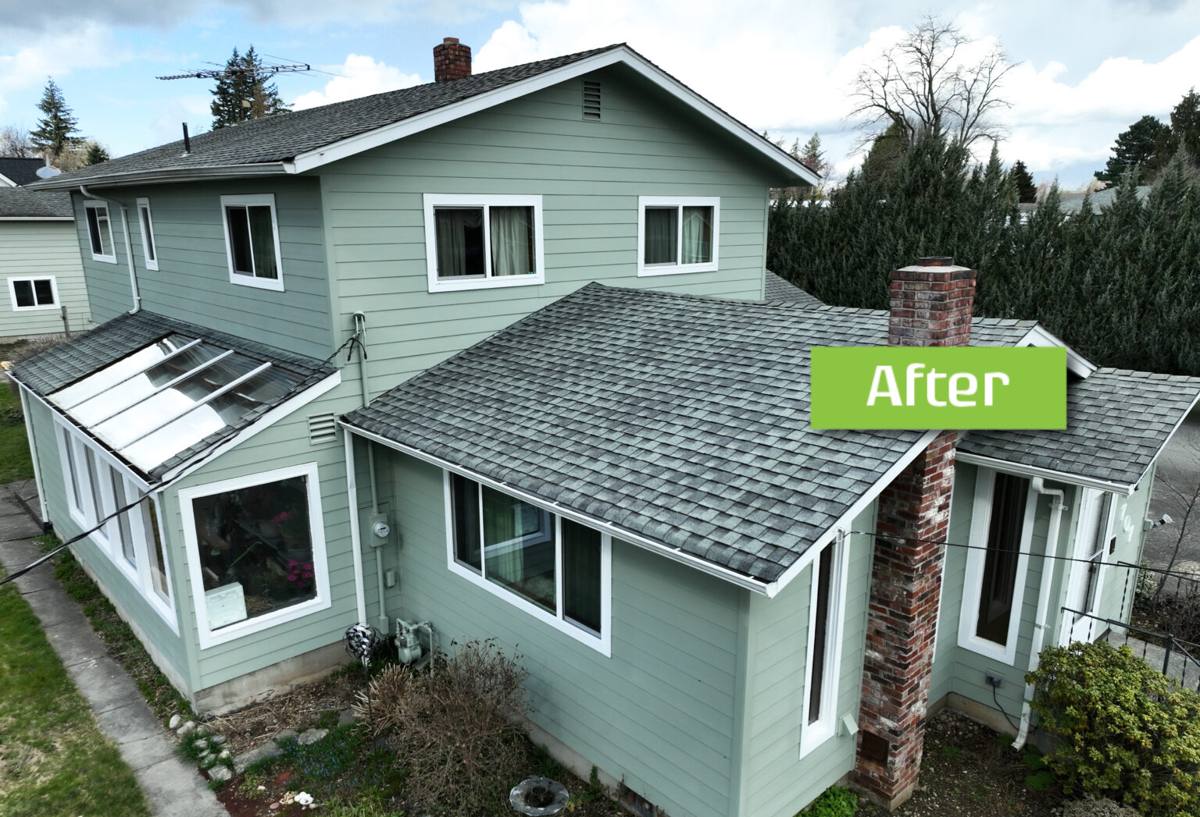
 New Roof Installation in Southside Village
Southside Village sits close to downtown Sarasota, which means the housing stock is a mix — older bungalows and mid-century homes alongside additions, renovations, and newer infill construction. Roofs in this part of Sarasota County take a beating from a combination most homeowners underestimate until they're dealing with a leak or an insurance inspection: hurricane-force wind events, relentless year-round UV exposure, wind-driven rain that gets pushed sideways under poorly sealed edges, and salt air drifting in off the Gulf that corrodes metal fasteners and flashing faster than it would inland. A new roof installed here isn't the same job as a new roof in a dry, inland climate, and it shouldn't be treated that way.
This page covers what a correct new roof installation looks like specifically for a Southside Village home, what our process involves, and why working with a crew that already knows this neighborhood's roofing conditions matters more than it might seem.
What Sarasota's Climate Actually Does to a Roof
Wind
Sarasota County sits in a designated hurricane wind zone, and Florida Building Code reflects that with specific requirements for fastening patterns, underlayment, and edge details. A roof that's "up to code" somewhere else in the country may not meet what's required here. Wind doesn't just tear off shingles in a storm — sustained coastal gusts over years work at loose edges, ridge caps, and flashing seams long before a named storm ever arrives.
UV Exposure
Central Florida gets intense sun essentially year-round. UV breaks down asphalt shingle oils, dries out sealant strips, and accelerates the aging of underlayment faster than manufacturers' national warranty estimates often assume, since those figures are usually based on more moderate climates. A roof's realistic service life in Sarasota is shorter than the same product's rated life on the box.
Wind-Driven Rain
Sarasota doesn't just get rain — it gets rain pushed horizontally during storms and afternoon squalls. That means water finds its way under shingles, around vents, and through any gap in flashing that would stay dry in a calmer climate. Underlayment and flashing details matter more here than in places where rain mostly falls straight down.
Salt Air
Southside Village is close enough to the coast that salt-laden air is a real factor. It accelerates corrosion on exposed fasteners, metal flashing, and any hardware that isn't rated for a coastal environment. A roof installed with standard, non-coastal-grade fasteners will show rust and weakening well before a comparable roof further inland.
What a Correct New Roof Installation Involves
A new roof is more than laying down shingles or panels. The parts homeowners don't see are usually what determine whether the roof performs for 20+ years or starts causing problems in five.
Deck Inspection and Repair
Before anything new goes down, the roof deck gets inspected for rot, delamination, or soft spots — common in older Southside Village homes where past leaks may have gone unaddressed. Any compromised decking gets replaced, not covered over.
Underlayment
In a wind-driven rain climate, underlayment is a second line of defense, not a formality. We use synthetic or self-adhering underlayment systems rated for high-wind, high-moisture conditions, with particular attention to valleys, eaves, and any low-slope transitions where water tends to collect.
Flashing
Flashing around chimneys, skylights, walls, and roof-to-wall transitions is one of the most common failure points on any roof, and it's where wind-driven rain does the most damage. Correct flashing means proper material choice, correct overlap, and sealant that's rated for sustained UV and salt exposure — not just what's fastest to install.
Fastening and Wind Rating
Fastener pattern and type are dictated by Florida Building Code wind zone requirements for this area, and we don't cut corners on nail count, placement, or corrosion-resistant fastener grade. This is also the detail that most affects wind mitigation credits on a homeowner's insurance policy.
Ventilation
Proper attic ventilation keeps heat and moisture from building up under the roof deck, which matters in Florida's humidity and helps shingles last closer to their rated lifespan instead of prematurely aging from trapped heat.
Roofing Material Options for Southside Village Homes
There's no single "best" roofing material for every home — it depends on the roof's slope, the home's architecture, budget, and how long the homeowner plans to stay in the house. Here's an honest comparison for this climate:
| Material | Wind Performance | UV/Salt Durability | Typical Lifespan Here | Notes |
|---|---|---|---|---|
| Architectural Asphalt Shingle | Good, with proper fastening and rated products | Moderate — UV shortens realistic lifespan | 15–20 years | Most common, most affordable, wide style/color options |
| Standing Seam Metal | Excellent | Very good with coastal-rated coatings and fasteners | 30–50 years | Higher upfront cost, lower long-term maintenance |
| Concrete or Clay Tile | Excellent when properly fastened | Excellent — inert to UV and salt | 40+ years | Heaviest option; requires structural check on older homes |
| Flat/Low-Slope Membrane (TPO, modified bitumen) | Depends on attachment method | Good with proper installation | 15–25 years | Common on additions or low-slope sections |
Many Southside Village homes have a mix of slopes and additions, which sometimes means combining materials on one roof — for example, shingle on the main structure with a membrane system over a flat addition. We'll walk through what makes sense for your specific roof rather than defaulting to one product.
Our Installation Process
- On-site inspection and measurement. We assess the current roof, deck condition, ventilation, and any problem areas before quoting anything.
- Material selection and scope review. We go over material options, realistic cost ranges, and what's actually needed versus optional, in plain terms.
- Permitting. New roof installations in Sarasota County require a permit and inspection. We handle the permit application and coordinate inspections.
- Tear-off and deck prep. Old roofing is removed down to the deck, which is inspected and repaired as needed.
- Underlayment and flashing installation. This is where most of the long-term water protection is built in.
- Roofing material installation. Installed to Florida Building Code wind zone specifications for this area.
- Final inspection and cleanup. County inspection sign-off, magnetic sweep for debris, and a walkthrough with the homeowner.
Permits, Code, and Wind Mitigation
Every new roof installation in Sarasota County requires a building permit, and the work is inspected against Florida Building Code — a code written specifically with hurricane wind loads in mind. Beyond the legal requirement, there's a practical upside: a properly documented, code-compliant roof installation is what makes a home eligible for wind mitigation insurance credits. After the roof is completed, we can provide the documentation homeowners need for a wind mitigation inspection, which can meaningfully reduce windstorm insurance premiums. Skipping permits or using an installer who doesn't pull them properly can leave a homeowner without that documentation — and without code-compliant proof if a claim ever comes up.
Cost Factors to Understand
Roofing costs vary based on several factors, and any contractor who quotes a firm number without seeing the roof isn't giving you a real estimate. Key factors include:
- Roof size and number of slopes/facets
- Pitch — steeper roofs take longer and require more safety setup
- Material choice (see comparison table above)
- Current deck condition and whether repair or replacement is needed
- Number of penetrations — chimneys, skylights, vents, and roof-to-wall transitions
- Removal and disposal of the old roofing material
- Permit fees, which vary by scope
We provide a written, itemized estimate after an on-site inspection so there are no surprises once work begins.
Why a Crew That Already Works Southside Village Matters
A roofing crew that regularly works in Southside Village and the surrounding Sarasota area already knows the common construction types in the neighborhood, what past roofing eras typically got wrong (older flashing details, undersized ventilation, non-coastal-rated fasteners), and how the county's permitting and inspection process actually runs. That familiarity translates into fewer surprises during tear-off, faster permit turnaround, and a roof installed to hold up against the specific combination of wind, sun, rain, and salt air this part of the county deals with every year — not a generic installation borrowed from a different climate.
Signs Your Roof May Need Replacement, Not Repair
- Shingles that are curling, cracking, or losing significant granules
- Multiple or recurring leaks in different areas of the roof
- Visible sagging in the roofline or deck
- Daylight visible through the attic roof boards
- A roof that's 18+ years old and has never been replaced
- Missing or damaged flashing around chimneys, walls, or vents
- Rusted or deteriorating metal fasteners and flashing
- Difficulty getting affordable windstorm insurance due to roof age or condition
If your roof is showing one or two of these signs, a repair may still make sense. Several at once usually points to replacement being the more cost-effective long-term choice.
If you're weighing repair versus replacement, or just want a straight answer on what your Southside Village roof actually needs, we're happy to take a look. Reach out for a free, no-pressure estimate using the form below.