 Sarasota Siding
 University Park is a well-established, tree-lined residential community in the greater Sarasota area, and the roofs here carry a heavier workload than most homeowners realize. Between hurricane-force wind events, some of the most intense year-round UV exposure in the country, wind-driven rain that finds its way into details a calmer climate would never test, and salt-laden air drifting inland off the Gulf, a Sarasota-area roof ages on a different clock than one built almost anywhere else. New roof installation here isn't just a bigger version of the same job done up north or even a few states over — the underlayment, flashing, fastening, and ventilation choices that get skipped on an easy inland roof are exactly the details that fail first under this climate. This page covers what a University Park home actually needs from a new roof, what a correct installation involves, and why hiring a crew that already works this community and understands its deed-restricted requirements matters.
Why University Park Roofs Wear Differently
Four conditions drive most of the roofing problems we see on established Sarasota-area homes, and none of them act alone — they compound each other over the life of a roof.
Hurricane-Force Wind
Every roof in this part of Florida is built against a real chance of sustained high wind and gusts well beyond that during storm season. Wind doesn't just test a roof during the event itself — uplift pressure works loose fasteners, lifts shingle edges, and stresses flashing at every penetration and edge detail. A roof built to the minimum standard for wind resistance is more likely to lose material or develop a leak point during a significant wind event than one installed with attention to fastening pattern, edge metal, and manufacturer-rated wind performance.
Intense Year-Round UV
Florida's sun exposure runs high nearly every month of the year, not just in summer, and a roof surface takes that load directly with no relief. UV breaks down asphalt shingle oils and granule adhesion over time, fades and embrittles lesser roofing materials, and accelerates the aging of sealants and flashing cement. A material or installation that isn't rated for sustained heat and UV exposure simply won't hold up here as long as it would in a milder climate, regardless of what the label promises elsewhere.
Wind-Driven Rain
Storm rain in this region rarely falls straight down. Wind pushes it sideways and even upward under eaves and into laps, seams, and flashing details that would stay dry in an ordinary rain event. A roof built to a bare-minimum underlayment standard is far more likely to leak at valleys, roof-to-wall transitions, and penetration flashing than one installed with wind-driven rain specifically in mind.
Salt Air
University Park sits inland of the coast, but salt-laden air still travels well beyond the immediate waterfront across this part of the Gulf Coast, and it accelerates corrosion on anything metal — fasteners, drip edge, vent stacks, flashing. A fastener or metal component that isn't rated for coastal-influenced air can begin rusting years sooner than the same part installed further from the Gulf, and that corrosion is invisible until it shows up as a stain or a leak at the fastener head.
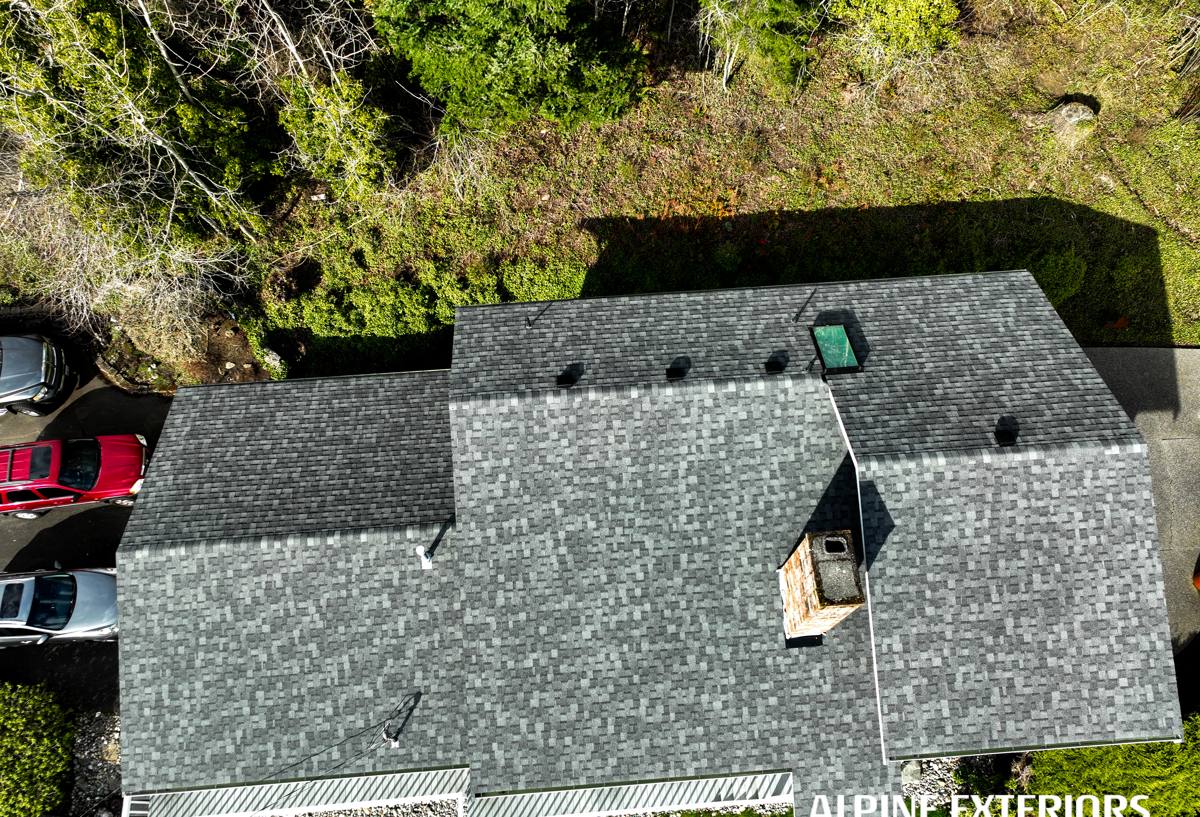
Signs a University Park Home Needs a New Roof
Not every issue on an aging roof means full replacement, but these are the signals that usually point that direction rather than toward a targeted repair:
- Shingles that are curling, cupping, or missing granules across large sections rather than one isolated spot
- Cracked, slipped, or missing tiles on a tile roof, especially in clusters rather than a single tile
- Rust staining at nail heads, flashing, valleys, or metal vent stacks
- Soft or spongy decking underfoot, or sagging visible from the ground or attic
- Daylight visible through the roof deck from inside the attic
- Leaks appearing in more than one location during heavy wind-driven rain
- A roof approaching or past the manufacturer's rated service life for its material
- A failed or expiring wind mitigation inspection tied to homeowners insurance
Deed-Restricted Community Considerations
Communities like University Park generally maintain architectural standards through a homeowners association or architectural review process, and roofing is almost always covered by those standards — material type, profile, and color are commonly subject to approval before work begins. This isn't a detail homeowners should have to sort out mid-project. A contractor who already understands how to prepare a submission package, including product specifications and color samples in the format a review committee expects, keeps a project moving instead of stalling it waiting on paperwork that has to be resubmitted. We build that step into the timeline from the estimate stage rather than treating it as an afterthought once material has already been ordered.
This matters more than it sounds. Ordering the wrong color or profile because approval wasn't secured first can mean a restocking delay, a mismatched roof on a street where uniformity is part of the community's character, or in some cases a required correction after the fact. Sequencing the approval process correctly the first time avoids all of that.
Choosing a Roofing System for This Climate
Material choice matters more here than in a milder, less exposed part of the country. The table below is a general comparison — actual performance always depends on installation quality as much as the product itself, and on what a given community's architectural guidelines will accept.
| Material | Wind & UV Performance | Typical Community Fit | Typical Service Life |
|---|---|---|---|
| Architectural asphalt shingle | Good with high-wind-rated products and correct fastening; UV-stable granules matter | Common and generally accepted; color selection often reviewed by the HOA | 20-30 years in this climate with correct installation |
| Concrete or clay tile | Excellent wind and UV performance when properly fastened and underlaid | Very common in established Florida communities; often preferred aesthetically | 40-50+ years for the tile itself, underlayment typically needs replacement sooner |
| Standing seam metal | Excellent uplift resistance and UV stability in a coastal-rated finish | Less common in some deed-restricted communities; confirm acceptance before specifying | 40-50+ years |
We'll go over which option fits a given roof's structure, the home's existing architectural style, and the household's budget during the estimate, rather than defaulting to whichever product is easiest to sell. A tile-heavy street and a shingle-heavy street can reasonably lead to different honest recommendations even within the same community.
What a Correct Installation Actually Involves
The visible shingle or tile layer is the smallest part of what determines whether a roof performs here. Most leaks and premature failures trace back to what's underneath or around it.
Tear-Off and Deck Inspection
A full tear-off lets us see the actual condition of the roof deck — soft spots, rot, or prior water intrusion that a re-cover over the old roof would simply bury. Any damaged sheathing gets replaced before anything new goes down, since installing new roofing over compromised decking guarantees a shorter service life no matter how good the surface material is.
Underlayment
Given the rain and heat exposure here, underlayment doesn't get treated as an afterthought. A high-quality synthetic or self-adhered underlayment, with reinforced coverage at eaves, valleys, and other vulnerable points, gives the roof a real second line of defense if wind-driven rain ever gets past the primary roofing surface.
Flashing
Flashing at chimneys, skylights, vent penetrations, and roof-to-wall transitions is where most leaks on an older roof actually start. We use corrosion-resistant flashing suited to this region's air quality and integrate it properly with the underlayment, rather than relying on sealant alone to hold water out over time.
Fastening and Wind Resistance
Fastening pattern and hardware are specified to the wind requirements of the Florida Building Code for this area, not to a bare minimum. This includes correct nailing pattern for shingles, proper tile fastening or foam adhesion systems for tile roofs, and edge metal secured to resist uplift at the roof's most vulnerable perimeter points.
Ventilation
Proper intake and exhaust ventilation keeps the attic and roof deck cooler and drier, which matters in a climate where heat and humidity stay elevated most of the year. Correct ventilation also protects the underside of the roof deck from condensation damage and helps the roofing material itself last closer to its full rated life.
Our Installation Process
- On-site assessment. We inspect the existing roof, deck condition, ventilation, and any problem areas, and take accurate measurements for the estimate.
- Material and color selection. We go over options that fit the home's structure, style, and budget, with honest trade-offs for each, and prepare specifications for HOA or architectural review where required.
- Permitting and approval. We handle the permit application and coordinate any required community architectural approval before ordering material, so the schedule isn't held up mid-project.
- Tear-off and deck repair. Old roofing comes off, the deck is inspected, and any damaged sheathing is replaced before new material goes down.
- Underlayment and flashing installation. The moisture barrier and flashing go in first, since this layer determines whether the roof actually stays dry.
- Roofing material installation. The chosen material is installed to manufacturer specification and Florida Building Code wind requirements, with attention to fastening pattern and exposure.
- Ventilation check. Intake and exhaust ventilation are confirmed to be working correctly before close-out.
- Final walk-through and documentation. We review the completed roof with the homeowner, go over warranty details, and provide the paperwork often needed for a wind mitigation inspection.
Cost Factors for a University Park Roof
Every roof prices out differently, and we don't quote figures without seeing the roof in person — pitch, access, and existing material alone can shift a bid significantly. These are the main variables that move the number:
| Factor | Why It Matters Here |
|---|---|
| Roof size and complexity | More valleys, hips, and penetrations mean more flashing detail and labor |
| Material choice | Tile costs more up front than shingle but typically lasts longer between full replacements |
| Pitch and access | Steep or hard-to-access roofs take longer and require more safety setup |
| Deck condition | Rot or soft sheathing found during tear-off adds repair cost not visible before the old roof comes off |
| Underlayment upgrade | Full reinforced coverage costs more than minimum-code underlayment but reduces wind-driven rain risk |
| HOA or architectural review requirements | Color and profile approval can affect which products are usable, which in turn affects price |
Why Hire a Crew That Already Works University Park
A roofer who mostly works outside this community isn't wrong about roofing in general — they're just working from a different set of defaults. Fastener specs, flashing choices, and underlayment coverage that are adequate on a typical roof elsewhere are often undersized for what Sarasota's climate throws at a roof year-round. A crew that already works in University Park has seen which details actually fail out here under real hurricane seasons and real UV exposure, not just which ones fail in a textbook.
There's also the practical side of working inside a deed-restricted community: knowing the architectural review process, submitting the right documentation the first time, and scheduling deliveries and crews in a way that respects the community's rules on work hours and site access. A contractor unfamiliar with that reality can end up with a project stalled on paperwork or a crew cutting corners to make up lost time. Local, community-specific experience means the schedule and the approval process are accounted for from the start, not discovered partway through.
Maintaining a New Roof in This Climate
A correctly installed roof still benefits from basic upkeep given the conditions here:
- Keep gutters and valleys clear so water isn't backing up under roof edges during heavy rain
- Have a professional inspect flashing points and fastening after any major storm, even if nothing looks obviously wrong
- Trim back tree limbs that overhang the roof, both to reduce debris buildup and to limit impact damage during wind events
- Schedule a periodic inspection ahead of insurance renewal, since a current wind mitigation report can affect premium pricing
- Address any small leak signs immediately rather than waiting for the next storm season to bring it back up
- Keep attic ventilation clear of insulation or debris blocking intake and exhaust paths
If your roof is showing its age or you're planning ahead for a replacement, we're glad to take a look and walk you through honest options for your University Park home, including what the architectural approval process will involve. Reach out below for a free, no-pressure estimate.