 Sarasota Siding
 Roof Repair in Nokomis: Built for What This Coastline Does to a Roof
Nokomis sits on a barrier-island-adjacent stretch of Sarasota County where the roof over your head is doing more work than it would almost anywhere inland. It's absorbing salt-laden air off the Gulf, taking direct tropical sun nearly every day of the year, and getting hit broadside by wind-driven rain during the summer storm season. A roof repair here isn't the same job as a repair in a drier, cooler climate. It has to account for corrosion, UV breakdown, and wind uplift all at once, not just patch the spot that's leaking today.
This page is specifically about repairing roofs on Nokomis homes — not replacement, not a generic overview of roofing in general. If your roof is sound overall but has a problem area, this is what a correct repair looks like and why the details matter more here than they do in most parts of the country.
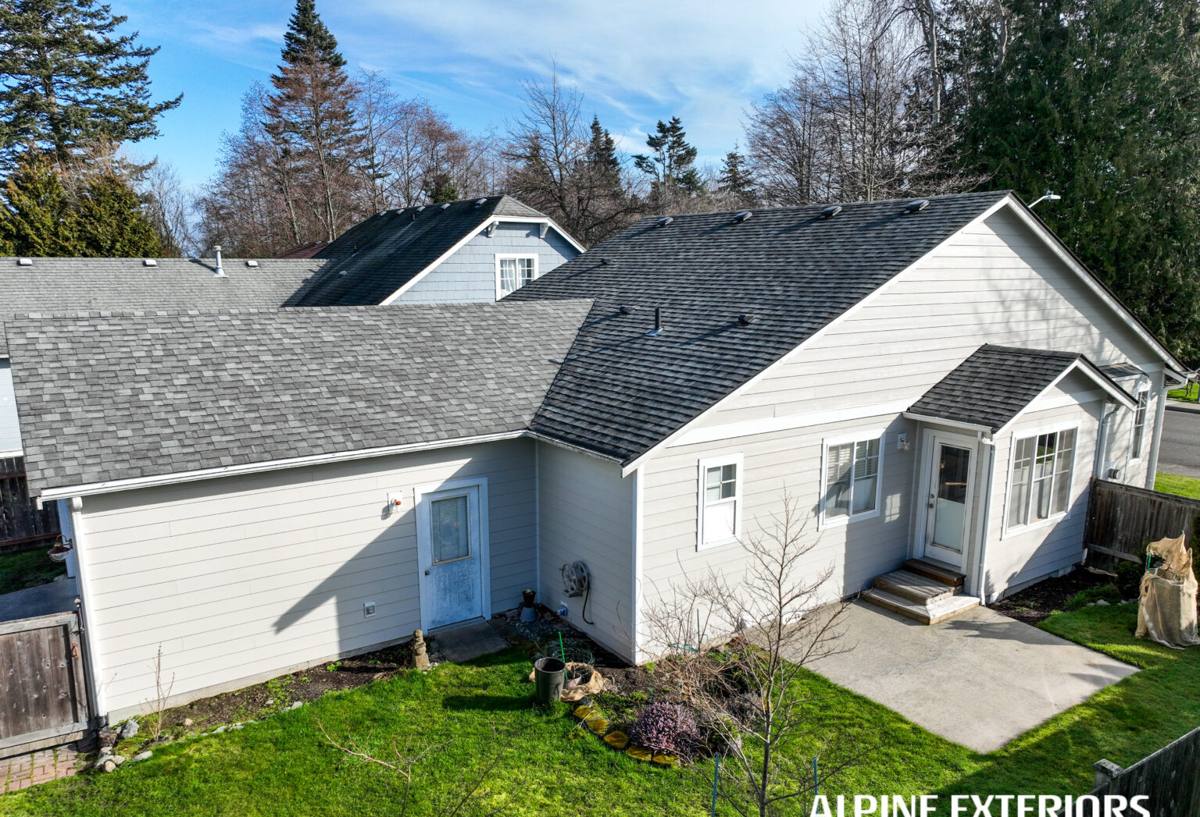
What Nokomis Homes Actually Need From a Roof Repair
Every repair we do in this area has to hold up against four conditions that show up together, not one at a time:
- Hurricane-force wind: A repair that isn't properly fastened, sealed, and integrated with the surrounding roofing can become the weak point the next time sustained winds or gusts move through the county.
- Year-round UV exposure: Florida sun ages roofing materials faster than almost anywhere else in the country. Sealants, flashing cements, and shingle mats that would last decades up north can dry out, shrink, or crack years sooner here.
- Wind-driven rain: Rain that comes in sideways during a storm doesn't behave like rain falling straight down. It can work its way under shingles, around flashing, and through fastener points that would stay dry in calmer weather.
- Salt air: Being close to the coast means airborne salt settles on and corrodes exposed metal — nails, flashing, drip edge, vent stacks — faster than it would further inland.
A repair that only addresses the visible symptom (a stain on the ceiling, a missing shingle) without accounting for these four factors tends to fail again within a season or two. That's the difference between a patch and an actual repair.
Common Roof Problems We Find on Nokomis Repair Calls
Wind-Lifted or Missing Shingles
Asphalt shingles that have gone through several storm seasons often show lifted tabs, cracked seals, or shingles missing outright near ridges, hips, and roof edges — the areas that see the highest wind uplift. Once the seal strip between shingles breaks, wind can get underneath and peel more shingles loose with the next storm, so a small area of damage left alone tends to spread.
Flashing Failure
Flashing around chimneys, skylights, sidewalls, and roof-to-wall transitions is usually where leaks start, not in the open field of the roof. Salt air accelerates corrosion on metal flashing, and UV exposure dries out the sealants around it. When flashing separates or the sealant cracks, water finds a path in well before any shingles look obviously damaged.
Tile Roof Damage
Many homes in this part of Sarasota County have concrete or clay tile roofs. The tiles themselves are durable, but the underlayment beneath them is what actually keeps water out, and it has a service life. Cracked or slipped tiles, broken hips and ridges, and worn mortar or foam adhesive at ridge caps are the most common repair calls we see on tile roofs here.
Flat and Low-Slope Roof Issues
On additions, lanais, and some main roofs with flat or low-slope sections, ponding water, membrane seams that have opened up, and UV-cracked coatings are typical. These roofs need a different repair approach than sloped shingle or tile roofs, and they're less forgiving of a rushed patch.
Fastener and Metal Corrosion
Exposed fasteners, drip edge, and vent flashing near the coast corrode faster than the roofing material around them. A repair that reuses corroded fasteners or doesn't replace compromised metal is starting from a weak point.
What a Correct Repair Actually Involves
A roof repair that's going to hold up in this climate isn't just "find the leak, cover it." It involves:
- Finding the real source — water often travels along the roof deck or underlayment before it shows up as a stain inside, so the visible damage and the actual entry point are frequently in different spots.
- Checking the deck — if water has been getting in for a while, the roof sheathing underneath may be soft, delaminated, or rotted and needs to be addressed before new material goes on top of it.
- Matching materials correctly — shingles, tiles, and flashing need to match the existing roofing in type and profile so the repair blends structurally, not just visually, and doesn't create a new water path at the seam.
- Proper flashing and sealant work — using materials rated for sustained UV and coastal exposure, not general-purpose products that will dry out and crack within a year or two.
- Fastening to current wind standards — repaired sections should be fastened to hold up against uplift, not just tacked down to look finished.
Our Repair Process
We keep the process straightforward because a homeowner dealing with a leak doesn't need extra complexity:
- On-site inspection of the damaged area and the surrounding roof, including the attic or interior ceiling where the leak is showing up
- A plain-English explanation of what's actually causing the problem, including if the deck or underlayment is compromised
- A written scope and price before any work starts — no surprise add-ons once we're on the roof
- Repair work matched to your existing roofing material and color as closely as possible
- A final check confirming the area is properly sealed, flashed, and fastened before we consider the job done
- An honest note if what you're describing sounds like it's beyond a spot repair and closer to needing a full roof evaluation — we'd rather tell you that upfront than sell a repair that won't last
Repair or Replace? How We Help You Decide
Not every roof problem calls for a repair, and not every roof problem calls for replacement either. Here's generally how the decision breaks down:
| Situation | Repair Usually Makes Sense | Replacement Usually Makes Sense |
|---|---|---|
| Age of roofing material | Well within expected service life for the material | At or past the end of its typical lifespan |
| Extent of damage | Isolated to one area (a section of shingles, one flashing point) | Spread across multiple sections or recurring in different spots |
| Deck/underlayment condition | Sound, no widespread rot or moisture intrusion | Soft decking, widespread delamination, or saturated underlayment |
| Storm history | Recent, single-event damage on an otherwise healthy roof | Cumulative wind and UV damage across many seasons |
| Insurance situation | Adjuster has approved a repair scope | Adjuster or wind mitigation inspection points to full replacement |
We'll give you our honest read on which side of that table your roof falls on. If a repair is genuinely the right call, that's what we'll recommend and price.
What Affects the Cost of a Nokomis Roof Repair
Repair costs vary based on a handful of factors, and we'd rather explain them than quote a number that doesn't mean anything without context:
| Factor | Why It Matters |
|---|---|
| Roof material | Tile, metal, and flat/low-slope membrane repairs involve different labor and materials than asphalt shingle repairs |
| Accessibility | Roof pitch, height, and how much of the roof needs to be walked or protected during work affects labor time |
| Deck condition | If sheathing needs to be replaced under the repair area, that adds material and labor beyond the surface repair |
| Size of the affected area | A single flashing repair is a different scope than a section of storm-damaged shingles or tiles |
| Material matching | Older or discontinued shingle or tile profiles can be harder to match, which affects sourcing time |
We provide a written price after seeing the actual damage in person — broad estimates over the phone tend to be wrong in one direction or the other, and we'd rather be accurate than fast.
Why It Matters That We Already Work in Nokomis
A repair crew that's worked roofs throughout this part of Sarasota County has already seen how salt air, sun, and storm wind affect roofing here over time — not in theory, but from being on these roofs season after season. That matters for a few practical reasons:
- We recognize the difference between cosmetic weathering and actual functional failure on materials common to this area
- We're familiar with the permitting and inspection expectations that apply to roof work in Sarasota County
- We understand how wind mitigation features factor into both repair decisions and insurance documentation
- We're not learning the coastal-climate lessons on your roof — we already know which shortcuts fail here and don't take them
A roof repair done by a crew unfamiliar with coastal Florida conditions can look fine on the day it's finished and still fail within a year, because the materials and methods weren't chosen with salt air, UV, and wind uplift in mind. That gap doesn't show up until the next storm season.
Permits, Insurance, and Wind Mitigation
Depending on the scope, roof repairs in Sarasota County may require a permit, and insurance carriers increasingly want documentation of what was repaired, when, and to what standard — particularly if you have a wind mitigation credit on your policy that depends on roof condition and attachment details. We handle the paperwork side of this as part of the job rather than leaving you to sort it out with your carrier afterward, and we can provide documentation of the repair work performed if your insurer requests it.
Get an Honest Look at Your Roof
If you're dealing with a leak, storm damage, or a spot on your roof that needs attention, we're happy to come take a look and tell you plainly what's going on and what it would take to fix it correctly. There's no cost and no pressure to move forward — just a straight answer from a crew that already works roofs in Nokomis and the surrounding area. Fill out the form below to schedule a free estimate.