 Sarasota Siding
 Siding Installation Built for Osprey's Coastal Exposure
Osprey sits on a narrow strip between Sarasota Bay and the Gulf, which means homes here take on a combination of stresses that inland Florida properties simply don't deal with. Salt-laden air moves off the water and settles on exterior surfaces year-round. Summer humidity keeps moisture in contact with siding for months at a time. And when a tropical system tracks up the Gulf, Osprey is directly in the wind field. Any siding installed on a home in this corridor has to be chosen and installed with all three of those conditions in mind at once — not just one of them.
We install James Hardie fiber cement exclusively, and we work Osprey regularly enough to know which details of an install actually matter here versus which are just industry talking points. This page covers what a correct siding job looks like for an Osprey home, why the climate makes the details non-negotiable, and how our process works from first estimate to final walkthrough.
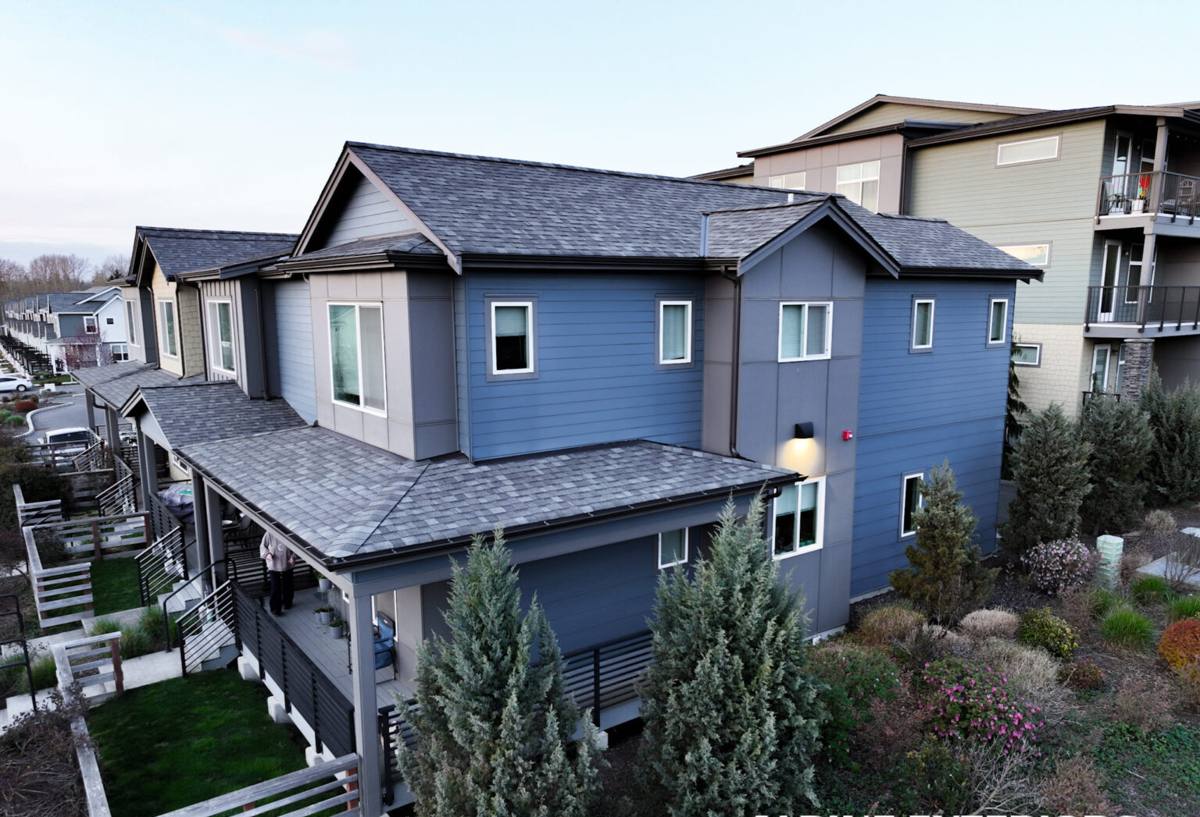
What Osprey's Climate Does to Exterior Siding
Salt Air and Corrosion
Homes within a few miles of Sarasota Bay or the Gulf are exposed to airborne salt that accelerates corrosion on fasteners, flashing, and any metal trim components. Siding material that doesn't corrode is only half the equation — the fasteners and flashing behind and around it matter just as much. An installer who doesn't specify corrosion-resistant fasteners in a coastal zone like Osprey is building in a failure point that won't show up for a few years, by which point it's a repair job instead of a five-minute decision at install time.
UV Exposure
Florida's UV index runs high nearly every month of the year, and Osprey gets full sun exposure with little in the way of extended cloud cover to break it up. Siding finishes that aren't engineered for this level of UV load chalk, fade, and become chalky or brittle well ahead of their expected lifespan. This is one of the more visible ways a siding choice either pays off or disappoints a homeowner a few years down the road.
Wind-Driven Rain and Humidity
Gulf-coast storms don't just bring rain — they push it sideways into wall assemblies under wind pressure. Combined with Sarasota County's baseline humidity, this means any gap in a home's water-management system (flashing, house wrap, seams, penetrations) becomes a moisture entry point that can sit wet for extended periods. Siding material that absorbs and holds moisture is at a real disadvantage in this environment; siding that's improperly installed on top of a compromised water barrier is at an even bigger one, regardless of the material.
Hurricane Wind Loads
Osprey falls within Sarasota County's high-velocity wind zone requirements. Siding here isn't just a visual finish — it's part of the building envelope's defense against wind-driven debris and pressure differentials during a named storm. Fastening pattern, nailing schedule, and product wind rating all factor into whether a siding system holds through a hurricane season or becomes the thing that fails first and lets water into the wall cavity.
Why We Install Only James Hardie Fiber Cement
We made a decision early on to install one siding system and install it correctly, rather than offer several products and let installation quality vary by material. James Hardie fiber cement is non-combustible, dimensionally stable in Florida's humidity swings, and available in HZ5 formulations engineered for high-humidity, storm-prone climates like ours. The factory-applied ColorPlus finish is baked on under controlled conditions, which gives it a UV and fade resistance that field-applied paint systems struggle to match over time — a real advantage under Osprey's sun exposure.
We don't install vinyl, LP SmartSide, Cemplank, Allura, or primed wood siding. That's not a knock on every homeowner who has one of those products on their home today — it's a statement about what we're willing to warranty our labor against in this specific climate. Vinyl can deform under sustained heat and doesn't carry the wind ratings fiber cement does. Wood-based and OSB-core products are more sensitive to moisture intrusion at seams and cut edges, which matters more here than in a drier climate. We'd rather install one product system well than several products with more maintenance risk attached.
James Hardie vs. Common Alternatives — Coastal Considerations
| Factor | James Hardie Fiber Cement | Vinyl | Wood/OSB-Based Siding |
|---|---|---|---|
| Combustibility | Non-combustible | Combustible, can deform under heat | Combustible |
| Moisture behavior | Engineered HZ5 formulation for humid climates | Doesn't absorb, but seams can trap moisture behind panels | Absorbs moisture at cut edges and seams if not sealed |
| UV/fade resistance | Factory-baked ColorPlus finish | Color molded through, can fade and chalk over time | Field-applied paint, needs recoating on a set schedule |
| Wind performance | Rated for high-velocity wind zones when correctly fastened | Lower wind ratings, can crack or blow off in high gusts | Varies by product; seams are a vulnerability point |
| Salt air resistance | Cement composite doesn't corrode | Doesn't corrode, but fasteners/trim can | More susceptible to rot acceleration near salt air |
What Correct Siding Installation Actually Involves
The material is only part of the job. In our experience, most siding failures we're called out to inspect trace back to installation shortcuts, not the product itself. A correct install on an Osprey home includes:
- Full tear-off and substrate inspection — checking sheathing for rot, soft spots, or prior water damage before anything new goes up.
- Continuous, correctly lapped house wrap — the water-resistive barrier behind the siding, not the siding itself, is the home's primary defense against wind-driven rain.
- Corrosion-resistant fasteners — stainless or hot-dip galvanized fasteners rated for coastal exposure, not standard-grade fasteners that will rust and stain over time.
- Proper flashing at every penetration — windows, doors, vents, and any wall-mounted fixture need flashing detail that directs water outward, not into the wall cavity.
- Manufacturer-specified nailing pattern and clearances — Hardie's installation instructions specify fastener spacing and ground clearance for a reason; skipping them is what voids wind performance and warranty coverage.
- Correct seam and joint treatment — butt joints and corners need to be sealed and flashed according to spec, not just caulked and left.
Our Process for an Osprey Siding Installation
1. On-Site Assessment
We walk the property, evaluate the existing siding and substrate condition, and note anything specific to the home's exposure — proximity to open water, sun orientation, existing moisture or rot issues, and any prior repair patchwork that needs addressing before new siding goes on.
2. Scope and Product Selection
We walk the homeowner through the relevant Hardie product line and profile options for the home, explain the HZ5 formulation and why it matters in Sarasota County, and put together a written scope that covers tear-off, substrate repair if needed, house wrap, flashing, siding, and trim.
3. Tear-Off and Substrate Repair
Old siding comes off, sheathing gets inspected, and any rot or water damage gets repaired before anything new is installed. This step is where problems that have been hidden under old siding for years typically surface — we flag anything we find and get sign-off before proceeding.
4. Water Barrier and Flashing
House wrap goes up continuous and correctly lapped, with flashing installed at every window, door, and penetration point. This layer does the real work of keeping wind-driven rain out of the wall assembly, and it's the layer most likely to be rushed by crews that don't specialize in coastal work.
5. Siding Installation
Hardie panels or lap siding go up per manufacturer nailing schedule and clearance specs, with corrosion-resistant fasteners throughout. Joints, corners, and trim get sealed and finished to spec.
6. Final Walkthrough
We walk the finished job with the homeowner, point out what was done and why, and go over warranty registration and any maintenance notes specific to the home's exposure.
Signs an Osprey Home May Need Siding Work Soon
- Visible cracking, warping, or separation at seams and corners
- Soft spots or give when pressing on siding near the base of the wall
- Persistent staining that tracks back to fastener locations (a sign of corroding fasteners)
- Paint or finish that's chalking, peeling, or fading unevenly
- Visible gaps around window and door trim
- Interior signs of moisture — musty smell, staining on interior walls near exterior corners
Any one of these on its own isn't necessarily an emergency, but on a home this close to the water, they're worth having looked at before the next storm season rather than after.
Cost Factors for Osprey Siding Projects
Every home is different, and we don't quote a number without walking the property, but the factors that most affect cost on an Osprey job are consistent:
| Factor | Why It Matters |
|---|---|
| Home size and wall complexity | More square footage and more corners, dormers, or architectural detail increase material and labor |
| Substrate condition | Hidden rot or water damage found during tear-off adds repair scope before new siding can go up |
| Siding profile | Lap siding, panel systems, and specialty trim carry different material and labor costs |
| Access and site conditions | Waterfront lots, tight setbacks, or limited equipment access can affect labor time |
| Existing siding removal | Tear-off of old material, especially multiple layers, adds time and disposal cost |
Why Hire a Crew That Already Works Osprey
Siding installation done to code in an inland, low-wind-exposure area isn't automatically adequate for a coastal Sarasota County property. A crew that regularly works Osprey and the surrounding barrier island and bayfront communities already knows the wind zone requirements, has a feel for how quickly salt air affects unprotected fasteners, and isn't learning coastal detailing for the first time on your home. That local familiarity shows up in the small decisions — fastener spec, flashing detail, clearance from grade — that determine whether a siding job holds up through five hurricane seasons or needs attention after the first one.
If your Osprey home needs new siding or you're evaluating whether an existing installation was done correctly, we're happy to take a look and give you a straightforward assessment. Reach out for a free, no-pressure estimate using the form below.