 Sarasota Siding
 Board & Batten Built for the Way Palmer Ranch Actually Lives Outdoors
Board and batten has become one of the most requested looks for new builds and exterior remodels in Palmer Ranch, and it's easy to see why. The vertical lines and crisp shadow reveals read as clean, modern, and a little more custom than standard lap siding, which fits the mix of modern coastal and modern farmhouse exteriors going up across the community's villages. But board and batten is also a style that punishes a rushed or mismatched installation faster than almost any other siding profile. Every vertical seam and every batten strip is a place where water, wind, and sun get a second and third chance to find a weakness. In Sarasota County, that matters more than in most parts of the country.
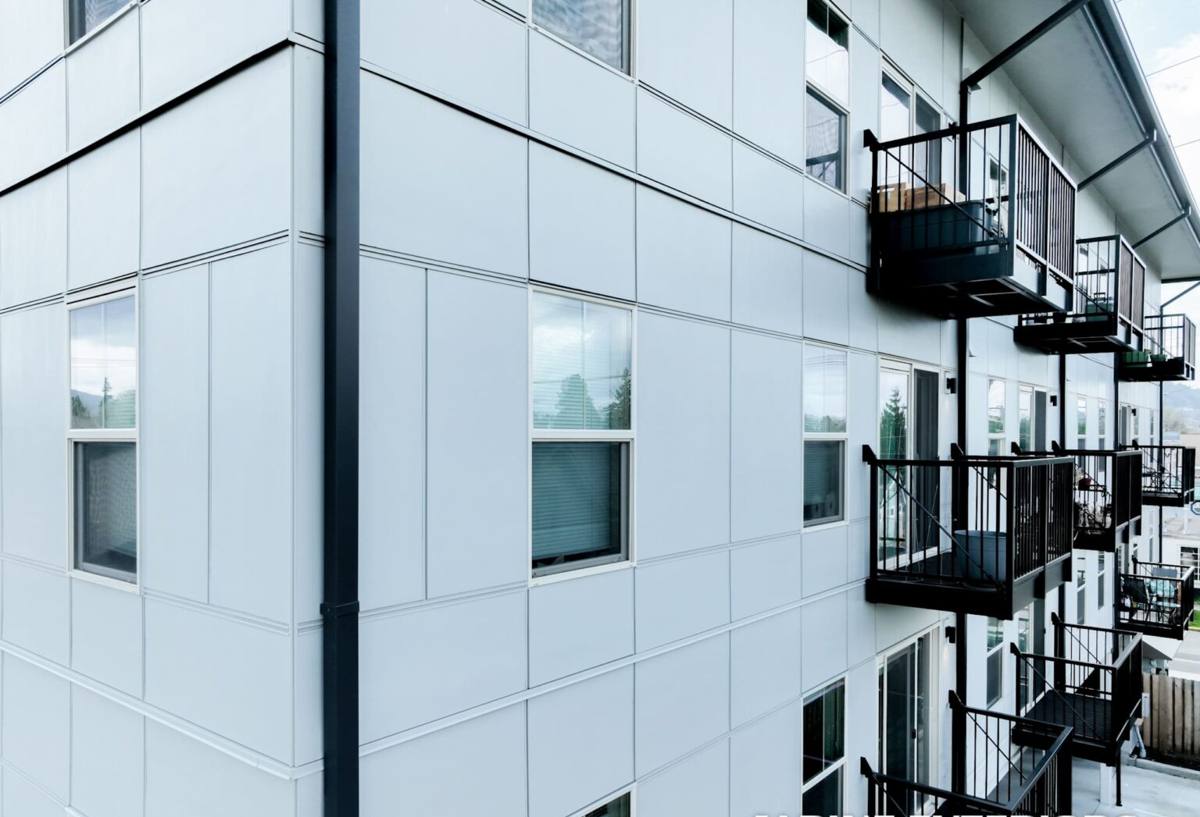
We install James Hardie fiber cement exclusively, on every job, in every style we build — including board and batten. We don't offer vinyl board and batten, LP SmartSide, or primed wood battens as an alternative, and we won't quote them. That's not a marketing line; it's a standard we hold because we've seen what Sarasota's climate does to siding systems that weren't engineered for it, and we'd rather turn down a job than install something we don't trust on a Palmer Ranch home for the next several decades.
What Sarasota's Climate Does to a Vertical Siding System
Hurricane-Force Wind
Palmer Ranch sits inland enough to avoid direct storm surge in most storms, but it is still fully exposed to hurricane-force and tropical-storm-force wind loads. Wind doesn't just push on a wall — it creates suction on the leeward side that pulls at fasteners and panel edges. A board and batten wall has more individual pieces (field panels plus battens) than a lap siding wall, which means more fastening points that all have to be installed to the correct schedule, or the whole system is only as strong as its weakest board.
Intense, Year-Round UV
Sarasota gets strong sun essentially every month of the year, not just in summer. UV breaks down pigments and resins over time, which is why unprotected or field-painted wood-look siding tends to chalk, fade unevenly, and need repainting far sooner here than in milder climates.
Wind-Driven Rain and Salt Air
Afternoon storms in Sarasota County often arrive sideways, driven by wind, and they find any gap a calm-weather installation would have gotten away with. Add in salt-laden air moving inland off the Gulf, and you have a combination that accelerates corrosion on the wrong fasteners and trim, and encourages moisture retention in materials that aren't built to shed it.
Why Board & Batten Is Less Forgiving Than Lap Siding
Traditional horizontal lap siding is designed so gravity does a lot of the work — each course overlaps the one below it, shedding water down and out. Board and batten runs vertically, so the system depends much more heavily on what's happening behind the visible boards: the weather-resistive barrier, the flashing at any horizontal joint or window head, and the gap and fastening at each batten. A batten strip that's face-nailed incorrectly, or spaced too tight against its neighbor with no room to move, becomes a wick that channels water straight down the wall instead of shedding it. This is where the material underneath the paint matters as much as the material on top of it.
The James Hardie System We Use for Board & Batten
For board and batten, we typically build the system out of HardiePanel vertical siding as the field material with HardieTrim boards installed as the battens, or Artisan vertical siding where a homeowner wants a more refined, deeper-reveal look. All of it is fiber cement — sand, cement, and cellulose fiber, non-combustible, and dimensionally stable in a way that painted wood and wood-composite panels simply are not. Hardie engineers its siding by climate zone, and the product installed on Palmer Ranch homes is built to the HZ10 specification for hot, humid, moisture-heavy regions like Florida's Gulf Coast — a different formulation than what ships to a dry inland climate.
We also use Hardie's ColorPlus factory finish rather than field-painting on site whenever it's an option for the chosen profile. A factory-baked finish is more UV- and fade-resistant than a job-site paint job, and it removes one more variable — inconsistent field painting — from a siding style where every board is visible and evenly spaced.
| Factor | Board & Batten Fiber Cement (Hardie) | Wood or Wood-Composite Battens |
|---|---|---|
| Moisture behavior | Dimensionally stable; engineered for humid Gulf Coast exposure | Absorbs moisture; swells, cups, or rots at butt joints and battens |
| UV/fade resistance | Factory-baked ColorPlus finish holds color over time | Field or shop paint fades and chalks faster under Florida sun |
| Fire rating | Non-combustible | Combustible |
| Fastener corrosion (salt air) | Compatible with corrosion-resistant fastening specs | Same risk, but wood movement works fasteners loose faster |
| Warranty | Manufacturer-backed, transferable | Varies; often shorter or non-transferable |
What a Correct Board & Batten Installation Involves
The style is simple to look at, but getting it right involves a specific sequence that's easy to shortcut if a crew isn't used to it:
- A continuous, properly lapped weather-resistive barrier installed before a single board goes up
- Correct fastener type, length, and spacing for both the field panels and the battens — not a generic pattern borrowed from lap siding
- Flashing at every horizontal joint, window and door head, and roof-to-wall transition
- Consistent batten spacing and reveal, planned out before installation so the pattern lands evenly across the wall, not adjusted awkwardly at the last course
- Minimal reliance on caulk as a primary water barrier — caulk is a finishing detail, not a substitute for correct flashing
- Manufacturer-specified clearance at grade, roofline, and other transitions so the bottom edge of the siding never sits where it can wick standing water
Fastening for Hurricane-Zone Wind Loads
Every county in Florida, including Sarasota County, applies wind-load requirements under the Florida Building Code, and fiber cement siding has to be fastened to meet the wind-load rating for its installed location. We follow the fastening schedule specified for the product and the wind exposure, not a shortcut pattern — this is one of the most common places an otherwise good-looking board and batten job fails during a storm.
Drainage Plane and Flashing
Because a vertical system has more horizontal breaks than lap siding (at window heads, transitions, and trim), we pay particular attention to flashing those joints so any water that does get behind the boards has a clear path back out, rather than sitting against the wall sheathing.
Cost Factors for Board & Batten in Palmer Ranch
| What Affects Scope or Price | Why It Matters |
|---|---|
| Home height and stories | Two-story elevations and gable ends need more staging, trim, and cutting |
| Existing siding tear-off | Removing and disposing of old siding adds labor before installation starts |
| Trim and corner detail | Board and batten reads as a "clean" style, which means corners and window trim have to be precise — more finish carpentry than a plain lap job |
| Batten spacing/reveal chosen | Tighter, more frequent battens use more trim material and labor than wider spacing |
| HOA architectural review | Many communities within Palmer Ranch operate under HOA design guidelines that can affect approved colors, styles, or timelines |
| Wall condition underneath | Sheathing repairs found during tear-off are priced separately from the siding itself |
Our Process, Start to Finish
- On-site assessment of the existing walls, current siding condition, and any moisture or sheathing issues
- Design conversation on batten spacing, reveal, trim style, and ColorPlus color, with attention to any HOA guidelines that apply to the property
- A written estimate with the products, fastening approach, and scope spelled out — no vague allowances
- Tear-off and inspection of the wall sheathing before anything new goes up
- Weather-resistive barrier, flashing, and fastening installed to the specified schedule for our wind zone
- Final walkthrough so you can see the finished reveal and detailing before we call the job done
Why Hiring a Crew That Already Works Palmer Ranch Matters
Palmer Ranch isn't one neighborhood — it's a large, master-planned collection of villages, many with their own HOA architectural review process, deed restrictions, and preferred color or material palettes. A crew that already works in the area knows to check on that before ordering material, not after. We're also familiar with the landscaped lakes, preserves, and walking trails woven through much of the community, which tend to sit near homes with more shade, more humidity retention, and slightly different moisture exposure than a home on an open lot — a detail that can affect how we sequence a job and where we pay closest attention to drainage.
Local experience also means fewer surprises on timeline. We know the permitting expectations in Sarasota County, we know what a typical Palmer Ranch lot and elevation look like, and we're not learning the wind-load code or the HOA submittal process for the first time on your house.
Maintenance and What to Expect Over Time
A correctly installed Hardie board and batten system is genuinely low-maintenance compared to wood-look alternatives, but "low-maintenance" doesn't mean "no attention." Rinse the siding periodically to keep salt residue and pollen film from building up, keep an eye on caulking at trim joints as part of a normal home walk-around, and address any landscaping or sprinkler heads that are spraying directly onto the wall. Beyond that, the ColorPlus finish and the fiber cement substrate are built to hold up to Sarasota's sun and storms with far less upkeep than repainting a wood or composite wall every few years.
If your Palmer Ranch home is due for new siding, or you're planning a board and batten update to an existing elevation, we're happy to walk the property, talk through what the HOA and the wind zone require, and put together a straightforward, no-pressure estimate — just fill out the form below.