 Sarasota Siding
 Storm Damage Roof Repair for Palmer Ranch Homes
Palmer Ranch is one of the larger planned communities in Sarasota County, with a mix of tile-roofed single-family homes, villas, and townhomes built across several different decades of construction standards. That mix matters after a storm. A roof put on in the late 1990s doesn't shed wind and water the same way one installed under today's Florida Building Code does, and a proper repair has to account for that difference rather than treat every roof the same. When wind, rain, or hail moves through Sarasota County, we get calls from Palmer Ranch within a day or two, and the damage we find is rarely as simple as "a few missing shingles."
This page covers what storm damage actually looks like on Palmer Ranch roofs, what a correct repair involves, and how our process works from first inspection to final walkthrough.
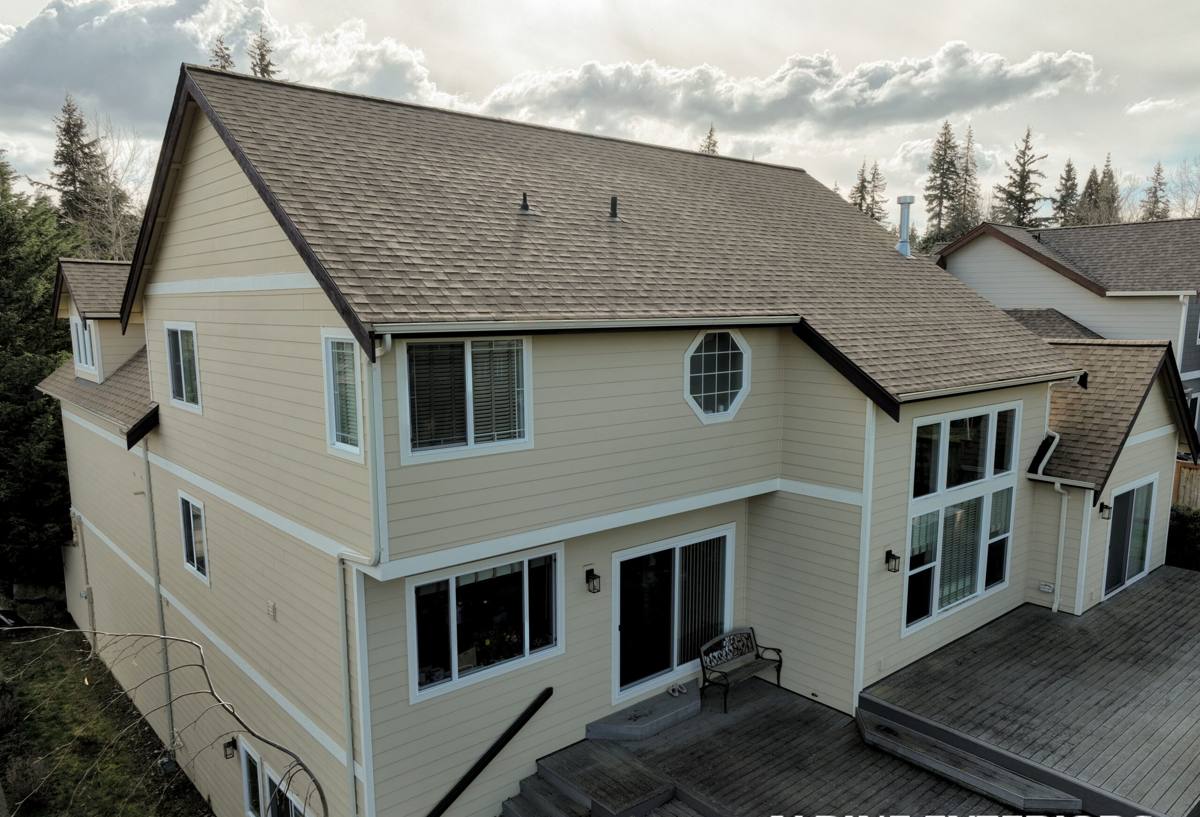
Why Palmer Ranch Roofs Take a Beating
Sarasota's climate is hard on roofing systems in more than one way at once, and Palmer Ranch isn't exempt just because it sits inland from the beach communities.
Wind
Tropical storms and hurricanes push sustained winds and gusts across the whole county, and Palmer Ranch's mature tree canopy and mix of roof pitches and hip/valley configurations create plenty of edges and transitions for wind to get underneath. Uplift failures usually start at ridge caps, hip lines, and eave edges — the places where fasteners and adhesive have the least margin for error.
Wind-driven rain
It isn't just how hard the wind blows, it's what it carries. Wind-driven rain gets forced sideways and upward under tile laps, around flashing, and into any gap that a calm-weather roof would never notice. This is how a roof can look intact from the ground after a storm but still be leaking into the attic.
UV exposure
Sarasota sees intense sun essentially year-round. UV breaks down asphalt shingle mat and underlayment, dries out sealant strips, and makes tile underlayment brittle over time. A roof that's already UV-fatigued going into storm season has far less capacity to absorb wind and rain damage than a newer one.
Salt air
Palmer Ranch is inland compared to Siesta Key or the barrier islands, but Gulf Coast salt air still travels and accelerates corrosion on exposed metal — flashing, fasteners, gutter hardware, and vent stacks. Corroded metal components are a common hidden contributor to leaks that homeowners assume are "roof damage" when the shingles or tile themselves are fine.
What Storm Damage Actually Looks Like
Most Palmer Ranch storm calls fall into a handful of categories. Knowing what to look for — and what not to assume — helps you describe the problem accurately when you call a contractor.
- Cracked, slipped, or missing tiles — often caused by wind uplift or debris impact; a few cracked tiles can hide broader underlayment damage beneath them.
- Lifted or torn shingles — usually along ridges, hips, and roof edges where wind pressure concentrates.
- Flashing separation — around chimneys, skylights, plumbing vents, and wall-to-roof transitions; small gaps here cause disproportionate leaks.
- Soffit and fascia damage — wind can peel soffit panels or pull fascia loose, which then lets water into the roof deck from the side.
- Gutter and downspout separation — not just cosmetic; detached gutters redirect water against fascia and siding.
- Granule loss on shingles — accelerates UV breakdown of the shingle underneath and shortens remaining service life even without visible holes.
- Deck-level saturation — the damage you can't see from the ground, found by checking the attic for staining, damp insulation, or daylight at deck seams.
What a Correct Repair Actually Involves
A lot of storm repair work in Florida is done fast and shallow — replace what's visibly missing, seal the obvious gap, move to the next job. That approach can leave a roof looking fixed while the underlayment, decking, or flashing underneath is still compromised. A correct repair works from the deck outward:
- Confirm the deck is sound. Water-damaged plywood has to be replaced, not just covered over, or the new roofing above it has nothing solid to hold fasteners.
- Restore the underlayment as a continuous water barrier, not just a patch around the damaged section — underlayment only works if it laps correctly with what's around it.
- Match materials properly. Tile profile, color, and coursing need to match the surrounding roof; asphalt shingle repairs need to match the existing product's exposure and nailing pattern so the repaired section performs the same as the rest of the roof.
- Rebuild flashing details correctly at every penetration and transition point, since these are where most repeat leaks originate.
- Check and correct fastening to current wind-resistance standards where the code and the existing structure allow it, not just replace with the same fastener pattern that failed.
Our Process on a Palmer Ranch Storm Call
We keep the process the same whether the damage is minor or extensive, because skipping steps is how problems get missed.
1. Inspection and documentation
We walk the roof and the attic, not just the roof. Ground-level assumptions miss too much. We document what we find in detail — this is also the documentation homeowners need if they're filing an insurance claim.
2. Honest scope
We tell you plainly whether you're looking at a repair or whether the damage, combined with the roof's age and condition, means a repair isn't a good long-term investment. We're not going to recommend a full re-roof when a targeted repair will genuinely hold up, and we're not going to patch a roof that's past the point where patching makes sense.
3. Written estimate
Scope, materials, and cost in writing before any work starts, with cost factors explained rather than a lump number.
4. The repair
Deck check, underlayment restoration, matched materials, flashing rebuilt correctly, and cleanup that doesn't leave nails and tile shards in your landscaping.
5. Final walkthrough
We show you what was done and where, so you're not left guessing what you paid for.
Insurance and Permitting in Sarasota County
Sarasota County requires permits for most roofing repair work beyond minor maintenance, and inspections follow. We handle the permit process as part of the job rather than leaving it to the homeowner. On the insurance side, adjusters respond better to clear, dated photo documentation and a written scope than to a verbal description — which is exactly why our inspection process is built around producing that paperwork. We're not a public adjuster and we don't negotiate your claim for you, but we give you the documentation to support it.
Repair vs. Replace: What Actually Drives the Decision
Homeowners often ask us to just tell them a number before we've looked at the roof. The honest answer is that it depends on a handful of specific factors, not the size of the visible damage alone.
| Factor | Favors Repair | Favors Replacement |
|---|---|---|
| Roof age | Under roughly 10-12 years | Nearing or past expected service life for its material |
| Damage extent | Localized to one section or slope | Spread across multiple slopes or the whole roof |
| Deck condition | Sound, dry decking under the damaged area | Widespread deck saturation or rot found in the attic |
| Material availability | Matching tile or shingle still obtainable | Discontinued profile/color, no reasonable match |
| Prior repair history | First significant repair | Multiple past repairs to the same areas |
| Insurance findings | Claim scoped as repair by adjuster | Claim scoped as full replacement |
None of these factors decide it alone — it's the combination that matters, which is why an in-person inspection beats a phone estimate every time.
What to Do Right After a Storm
- Do a ground-level visual check only — stay off the roof, especially with tile, which cracks underfoot even when it looks intact.
- Check the attic for staining, damp insulation, or daylight at the deck.
- Photograph visible damage from the ground and any interior water stains, with dates.
- Cover an active interior leak with a bucket or tarp-in-place fix to limit further damage, but don't attempt roof-level repairs yourself.
- Call your insurer to open a claim if the damage looks significant, and call a local roofing contractor for an inspection before repairs are made.
- Avoid signing anything from door-to-door storm chasers before getting a second, local opinion — see the FAQ below on vetting contractors after a storm.
Why a Crew That Already Works Palmer Ranch Matters
After a major storm, Sarasota County sees an influx of out-of-town crews chasing damage, and some of them are gone before a warranty issue would ever surface. A crew that's already worked Palmer Ranch knows the common roof ages and construction styles in the area, has a working relationship with the county permitting office, and is still going to be answering the phone next year if something needs a follow-up look. That continuity is worth more than a slightly faster quote from someone passing through.
If your Palmer Ranch home has storm damage — visible or suspected — we're glad to come take an honest look and give you a free, no-pressure estimate. Fill out the form below and we'll get you scheduled.