 Sarasota Siding
 Roof Repair for Laurel Park Homes
Laurel Park sits close enough to the bay that its homes take the full brunt of what a Sarasota summer and hurricane season can dish out. Between the salt air drifting in off the water, the wind-driven rain that comes with almost every serious storm, and UV exposure that runs strong nearly twelve months a year, roofs in this part of Sarasota County wear differently than roofs inland. A repair that would hold up fine in a drier, calmer climate can fail here within a season or two if it's not done with local conditions in mind.
Many of the homes in Laurel Park are older Florida-style construction, and a fair number still have roofing that's original or close to it. That means when a leak shows up or shingles start lifting, the fix often isn't a simple patch — it's a judgment call about what the roof underneath can still support and what needs to be addressed properly instead of papered over. This page covers what roof repair actually involves for homes in this neighborhood, what to watch for, and how we approach the work.
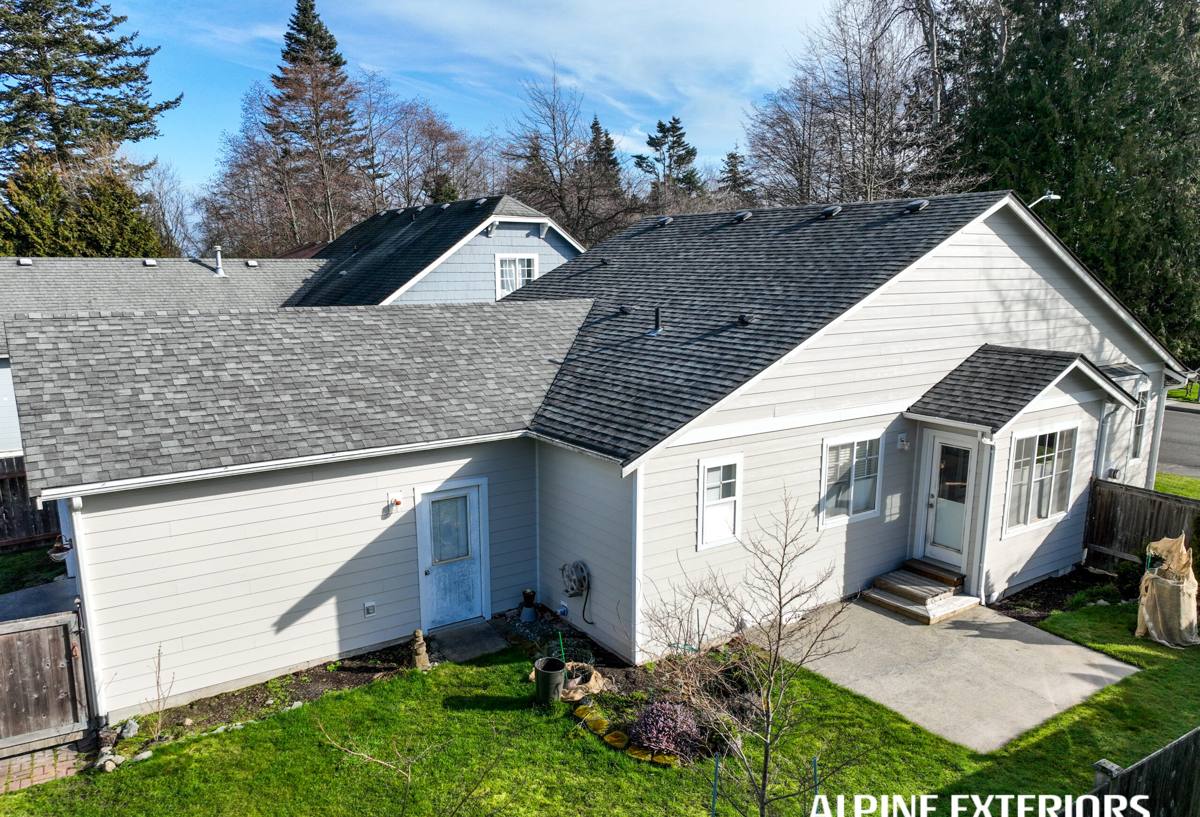
What Sarasota's Climate Does to a Roof
It helps to understand the specific stresses at play before talking about repair, because they explain why certain shortcuts don't hold up here.
Wind
Hurricane-force and tropical-storm-force winds put uplift pressure on roof edges, ridges, and any spot where a shingle or tile isn't fully sealed down. Once wind gets under one lifted edge, it can peel back a much larger section in a single storm. Repairs near roof edges and rakes need to account for this, not just match the color of the surrounding shingles.
UV Exposure
Year-round sun bakes the oils out of asphalt shingles faster than in northern climates, making them brittle sooner. Sealant strips, flashing cement, and any exposed adhesive degrade faster too, which is why a repair using standard-grade materials can start failing well before it would in a milder climate.
Wind-Driven Rain
Rain that comes in sideways during a storm doesn't just test the shingles — it tests every flashing point, every nail penetration, and every seam. A roof can look fine from the ground and still leak during a wind-driven rain event because water is being pushed uphill or sideways under materials that only need to shed water moving straight down.
Salt Air
Proximity to the coast accelerates corrosion on metal flashing, fasteners, and any exposed hardware. Repairs that use the wrong grade of metal or fasteners can corrode and fail years before the surrounding roofing does.
Common Repair Issues We See in This Area
- Lifted or missing shingles along ridges, rakes, and eaves after wind events
- Cracked or brittle shingles from long-term UV exposure, especially on south- and west-facing slopes
- Failed flashing around chimneys, skylights, and roof-to-wall transitions
- Nail pops and exposed fasteners that corrode and eventually leak
- Granule loss that leaves shingles thin and less protected
- Soft or discolored decking visible in the attic, a sign water has been getting in for a while
- Clogged or damaged valleys where debris collects and water backs up
What a Proper Roof Repair Actually Involves
A roof repair that's done right is more than swapping out a few bad shingles. It starts with figuring out why the damage happened in the first place, because replacing the surface without addressing the cause just buys time before the same spot fails again.
Inspection Before Anything Gets Touched
We look at the damaged area itself, but also the flashing, decking, and ventilation around it. A leak that shows up in one spot inside the house often originates somewhere else on the roof, so tracing water path matters more than treating the visible symptom.
Matching Materials, Not Just Colors
Shingles fade with age, so a repair that uses brand-new material next to sun-worn originals will stand out visually — that's a cosmetic reality we're upfront about. More importantly, the replacement shingles and underlayment need to match the performance rating of the existing roof, not just be "close enough." Mixing a lower wind-rated shingle into a roof rated for higher wind speeds undermines the protection the rest of the roof still has.
Flashing and Sealing Done to Hold Up to Wind-Driven Rain
Any repair touching a flashing point — chimneys, vents, skylights, walls — gets rebuilt with attention to how water moves during a sideways rain event, not just straight-down rain. This is where a lot of repairs done by less experienced crews fall short, because a flashing job that passes a garden-hose test can still fail in an actual storm.
Fastening for Uplift Resistance
In a wind zone like ours, how shingles and flashing are fastened matters as much as what they're made of. We follow nailing patterns and fastener specs suited to local wind exposure rather than defaulting to minimum-code shortcuts.
Repair vs. Replacement: How We Help You Decide
Not every damaged roof needs to come off. But there's a point where repeated repairs cost more over time than doing the job once, correctly. Here's how we generally think through that decision:
| Factor | Leans Toward Repair | Leans Toward Replacement |
|---|---|---|
| Age of roof | Well within expected lifespan | At or past typical service life |
| Extent of damage | Localized — one slope, one flashing point | Spread across multiple areas or slopes |
| Decking condition | Solid, no soft spots | Soft, discolored, or rotted decking found |
| Repair history | First or second repair | Repeated repairs to the same area |
| Shingle condition overall | Granules intact, still flexible | Widespread granule loss, brittle throughout |
| Insurance/wind mitigation goals | Not a current priority | Older roof affecting insurance premiums |
We'll walk you through where your roof falls on these points honestly. If a repair is the right call, that's what we'll recommend — we're not in the business of upselling a full replacement when it isn't needed.
Our Roof Repair Process
- On-site inspection — we get on the roof (weather permitting) and check the attic from inside where accessible, looking at decking, insulation staining, and ventilation along with the roof surface.
- Written scope and estimate — you get a clear explanation of what's damaged, why, and what fixing it correctly involves, with pricing before any work starts.
- Material match and sourcing — we source shingles, flashing, and underlayment that match or exceed the performance rating of your existing roof.
- The repair itself — damaged materials removed, decking checked and repaired if needed, new materials installed and properly fastened and sealed.
- Cleanup and walkthrough — debris and old materials hauled off, and we walk you through what was done.
Insurance, Permits, and Local Considerations
Roof repairs in Sarasota County generally require a permit once the scope goes beyond a very minor patch, and inspections follow local wind-load code requirements. We handle that process rather than leaving it on you. If your repair is related to storm damage, we can also provide the documentation and photos most insurance carriers ask for when you file a claim — though we're not the ones deciding what your policy covers, that's between you and your insurer.
If your roof is older, a repair project is also a reasonable time to ask about a wind mitigation inspection, since certain roof-to-wall connections and roof coverings can affect windstorm insurance premiums in Sarasota County. It's worth a conversation even if you're not planning full replacement anytime soon.
Why Hiring a Crew That Knows Laurel Park Matters
Roofing crews that mostly work inland or in newer subdivisions don't always have a feel for how older, established neighborhoods like Laurel Park are built — the roof pitches, the decking types common to homes of a certain age, or how close overhanging tree canopy sits to the roofline in mature, tree-lined streets. That familiarity affects everything from how we plan access and staging to what we expect to find once we open up a damaged section.
We also know what local wind and rain patterns actually do to a roof over a few storm seasons, not just what a manufacturer's spec sheet says on paper. That's the difference between a repair that's technically done and one that's actually built to last through the next storm.
Simple Maintenance That Extends a Repair's Life
Once a repair is done, a few habits go a long way toward not needing another one soon:
- Keep gutters and valleys clear of leaves and debris, especially before storm season
- Trim back tree limbs that overhang or rub against the roof surface
- Have the roof looked at after any major wind event, even if nothing looks obviously wrong from the ground
- Check the attic occasionally for staining, daylight through the decking, or musty odors
- Don't ignore small nail pops or curling shingle edges — they're cheap to fix early and expensive to ignore
If you're dealing with a leak, storm damage, or a roof that's just showing its age in Laurel Park, we're glad to take a look and give you a straight answer about what it needs. Fill out the form below for a free, no-pressure estimate.