 Sarasota Siding
 Why Southside Village Roofs Take a Different Kind of Beating
Southside Village sits close enough to the water that its roofs live under conditions most inland homes never deal with. Between Sarasota Bay and the Gulf of Mexico, homes here absorb salt-laden air almost year-round, which speeds up corrosion on any exposed metal — nail heads, flashing, vent stacks, and fasteners. Add in Florida's intense UV exposure, and asphalt shingles, sealants, and underlayment all age faster than the same materials would in a milder climate.
Then there's wind. Sarasota County sits squarely in a hurricane-prone stretch of coastline, and even storms that never make direct landfall can send sustained gusts and wind-driven rain through the area. Wind doesn't just tear shingles off — it drives rain sideways, up under laps and flashing, into places a roof was never designed to shed water from that angle. A repair that looks fine from the ground can still be leaking at a seam that only opens up when the wind is blowing the wrong direction.
None of this means Southside Village homeowners are stuck with constant roof problems. It means repairs here need to account for what actually damages roofs in this specific setting, not just patch the visible symptom.
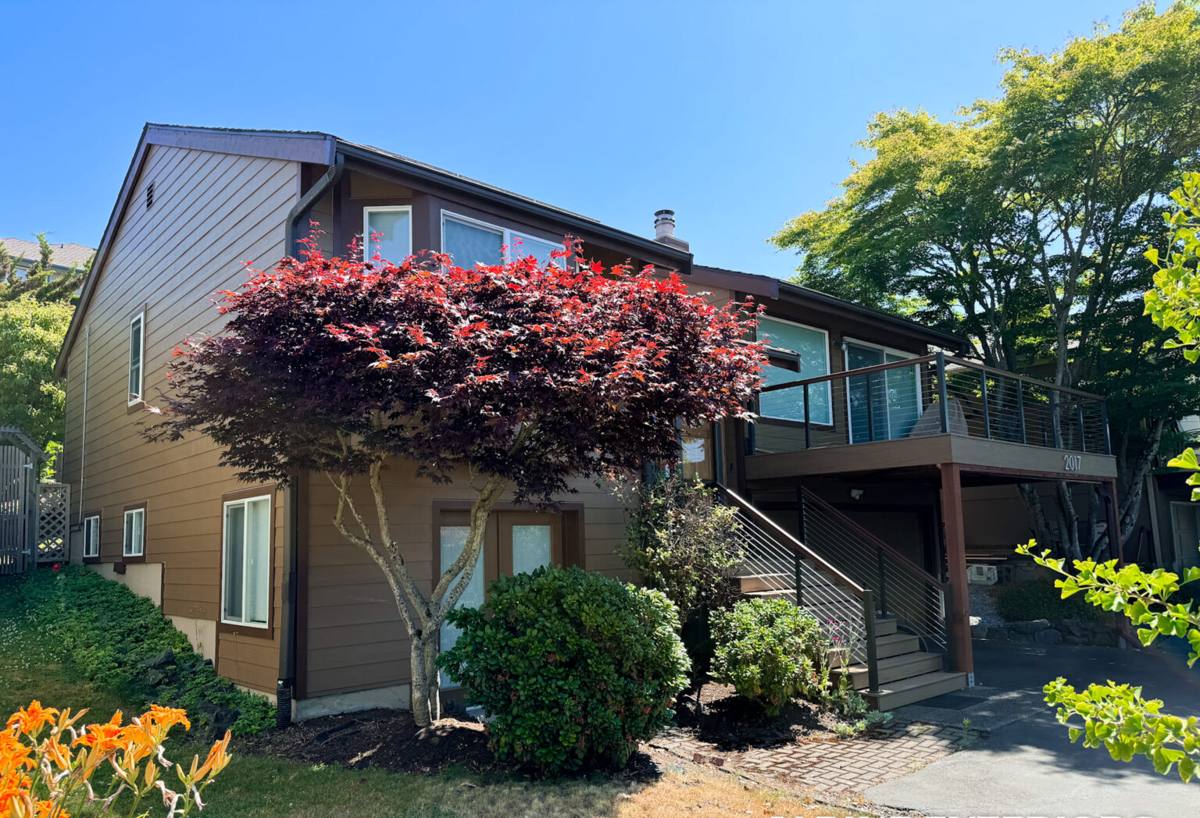
Signs Your Southside Village Roof Needs Repair, Not Replacement
Most roofs don't fail all at once — they show warning signs first. Catching those signs early is usually the difference between a straightforward repair and a much larger job.
- Missing, cracked, or curling shingles, especially after a windy stretch or storm
- Granules collecting in gutters or at downspout outlets
- Soft spots or sagging when walking the attic or noticing ceiling flex
- Water stains or discoloration on interior ceilings or upper walls
- Rusted, lifted, or visibly corroded flashing around chimneys, skylights, or roof-to-wall joints
- Daylight visible through the roof deck from inside the attic
- Cracked or displaced pipe boots (the rubber collars around plumbing vents)
- Debris or standing water pooling on a flat or low-slope section
Older Homes vs. Newer Homes
Older homes in the area more often show wear at flashing and penetrations — decades of sun and salt air breaking down sealants and thinning metal. Newer roofs tend to have fewer material failures but can still develop leaks from installation shortcuts, storm impact, or a single damaged section that was never properly sealed. Age tells us where to look first, but it doesn't replace an actual inspection.
What a Correct Roof Repair Actually Involves
A roof repair done right isn't just replacing what's visibly broken. It's tracing the problem back to its actual source, because water rarely stays where it enters — it travels along the deck or underlayment before showing up as a stain somewhere else entirely.
Finding the Real Entry Point
We start by inspecting the suspect area and the surrounding field, not just the spot where the leak shows up inside. Flashing, valleys, and penetrations (vent stacks, chimneys, skylights) cause the majority of leaks — far more often than the shingle field itself.
Matching Materials and Details
Whenever possible, repairs use materials that match the existing roof in type, profile, and as close to color as the product line allows. A patch that doesn't match the surrounding roofing isn't just a cosmetic issue — mismatched materials can behave differently under thermal expansion and wind uplift, creating a new weak point right next to the old one.
Checking What's Underneath
Before closing up a repair, we check the underlayment and decking in that section. If wood is soft, delaminated, or water-damaged, patching over it just delays the same problem. It's a small amount of extra time during the repair that avoids a callback down the road.
Common Repair Types We Handle
Not every roof problem calls for the same fix. The table below covers the repairs we're called out for most often in this part of Sarasota County, and what typically drives cost on each one.
| Damage Type | Common Local Cause | Typical Repair Approach | Cost Factor |
|---|---|---|---|
| Wind-lifted or missing shingles | Storm gusts, aged adhesive strips | Remove and replace affected shingles, reseal surrounding tabs | Low to moderate — depends on area affected |
| Flashing leaks (chimney, wall, skylight) | Corroded or improperly sealed metal, salt air degradation | Remove and reflash with new metal and sealant | Moderate — labor-intensive detail work |
| Valley leaks | Heavy water volume during wind-driven rain | Rebuild valley underlayment and metal, reset shingle courses | Moderate to higher — depends on valley length |
| Pipe boot failure | UV breakdown of rubber collar over time | Replace boot, check surrounding shingles for water tracking | Low — usually a quick, contained fix |
| Soft or damaged decking | Long-term undetected leak | Cut out and replace affected deck sheathing before re-covering | Higher — depends on how much deck is affected |
| Ponding on flat/low-slope sections | Poor drainage, aging membrane | Patch or reseal membrane, address drainage where possible | Moderate — depends on membrane condition |
Costs vary based on roof pitch, access, material type, and how much of the deck needs attention once we open things up. We'll always show you what we find before doing work beyond the original scope — no surprise add-ons without a conversation first.
Our Process, From First Call to Finished Repair
- Inspection. We walk the roof (and the attic, when accessible) to find the actual source of the problem, not just the symptom.
- Honest assessment. We tell you what we found, what's driving it, and whether a repair is the right call or if you're better served knowing about larger issues developing underneath.
- Written scope and estimate. You know what's being done and roughly what it costs before work starts.
- The repair. Matching materials where possible, proper flashing and sealant work, and a check of the decking underneath before closing anything up.
- Final walkthrough. We confirm the repair area and clean up the site — no leftover nails or debris.
For most single-issue repairs in Southside Village, we can turn the job around quickly once materials are confirmed. Larger repairs involving deck replacement or multiple problem areas take longer, and we'll tell you that upfront rather than guessing.
Repair vs. Replacement: How We Help You Decide
Not every roof problem means you need a new roof, and we're not going to tell you that you do when a repair will genuinely hold up. At the same time, a roof with multiple failing areas, widespread granule loss, or decking damage in several spots is often more cost-effective to replace than to keep patching piece by piece.
A few honest questions we walk through with homeowners:
- Is this an isolated issue, or are there signs of wear across the whole roof?
- How old is the roof relative to its expected service life?
- Has it sustained storm damage that an insurance claim might cover?
- Would a repair here likely be followed by another repair somewhere else soon?
We'd rather give you a straight answer that saves you money over time than sell you a bigger job than you need — or send you into next hurricane season with a patch job on a roof that's actually done.
Why It Matters to Hire a Crew That Already Works This Area
Southside Village's mix of home ages and its proximity to the water mean roofs here age and fail differently than roofs ten miles inland. A crew that regularly works this neighborhood already has a feel for where salt air tends to hit hardest, which flashing details tend to fail first on homes of a certain age, and how the local wind exposure affects repair priorities.
There's also the practical side. Sarasota County has its own permitting requirements, and depending on the scope and value of a repair, a permit may be required under the Florida Building Code. A contractor who works in the county regularly knows how that process runs and won't leave you guessing about whether your repair needs to be documented and inspected.
Being local also means we're not disappearing after the invoice. If something about the repair needs a follow-up look, we're not driving in from out of the area to get back to you.
Maintaining Your Roof After the Repair
A good repair buys you time, but a little upkeep afterward extends it further — especially in a climate that doesn't let up on a roof.
- Keep gutters and downspouts clear so water isn't backing up under the roof edge
- Trim back overhanging branches that scrape shingles or drop debris
- After any major storm, do a visual check from the ground for obviously displaced shingles or debris on the roof
- Have the roof looked at periodically, particularly before hurricane season ramps up
- Address small issues (a lifted shingle, a cracked pipe boot) before they turn into interior water damage
Roofs in this part of Florida don't get a break from the elements, so staying ahead of small problems is a lot cheaper than catching up on big ones.
If you're dealing with a leak, storm damage, or a roof that just needs a second opinion, we're glad to take a look. We offer free, no-pressure estimates for Southside Village homeowners — use the form below to get started.