 Sarasota Siding
 Why Bradenton Roofs Don't Last as Long as the Warranty Says
A roof rated for 25 or 30 years on a manufacturer's spec sheet was tested somewhere with a milder climate in mind. Bradenton isn't that place. Between hurricane-force wind gusts during tropical systems, near-constant UV exposure, wind-driven rain that finds every gap in flashing, and the salt air rolling in off the Gulf, a roof here is under attack from more directions than most homeowners realize. That's not a sales pitch — it's just what happens to asphalt, wood, and metal when they sit under a Florida sun for a decade and take a direct hit from tropical storms every season or two.
We work roofs throughout Sarasota County and the surrounding Sarasota-Manatee region, including Bradenton, and we see the same failure patterns over and over: shingles that granulated and thinned years before their rated lifespan, fasteners that corroded from salt exposure, and underlayment that failed at the first wind-driven rain event because it was never rated for coastal wind zones in the first place. Replacing a roof here isn't just swapping old materials for new — it's correcting for a climate that's harder on roofing than almost anywhere else in the country.
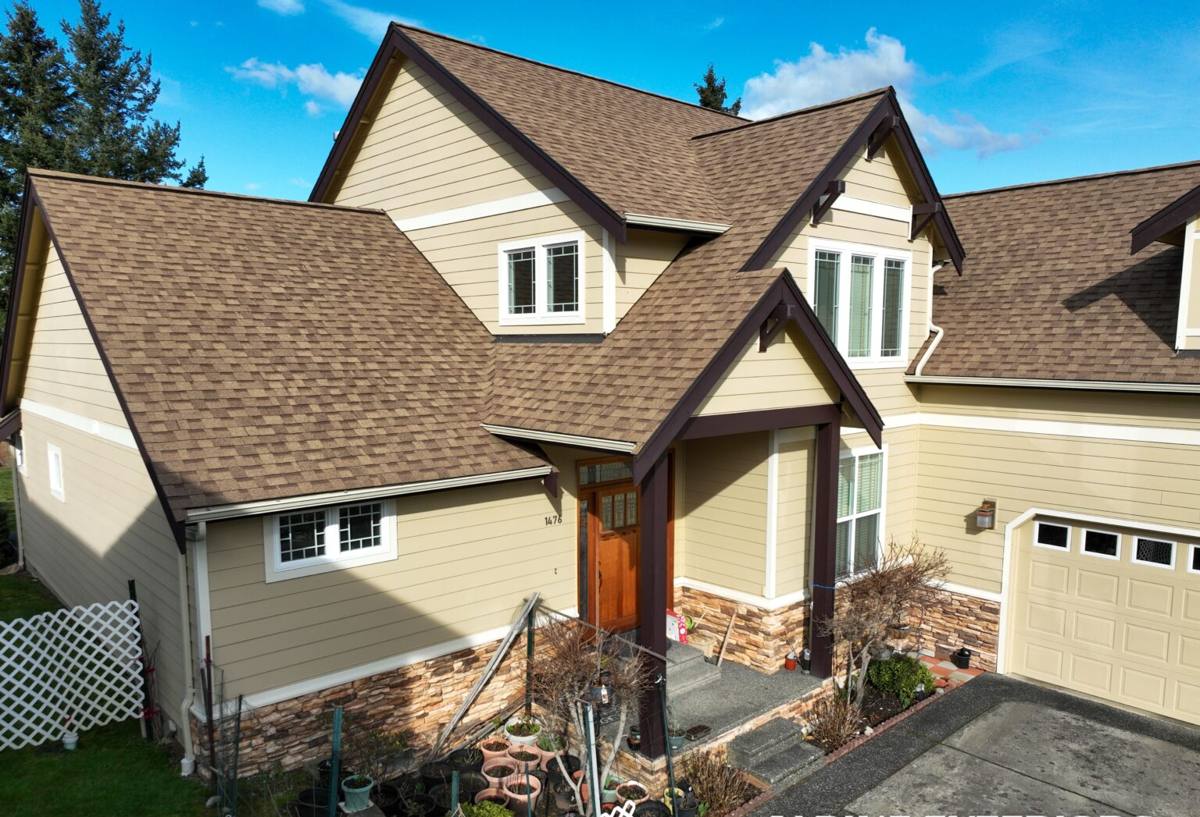
What "Doing It Right" Actually Means Here
A correct roof replacement in this part of Florida isn't only about the shingles or tiles you see from the street. Most roof failures we get called out for start below the surface — in the deck, the underlayment, or the flashing details that never got proper attention the first time around. A replacement done right addresses all of it, not just the visible layer.
The Deck Comes First
Before anything new goes down, the roof deck needs to be inspected board by board (or sheet by sheet, for plywood/OSB decking). Any wood that's soft, delaminated, or water-stained gets replaced — not patched, not skipped to save a day of labor. A new roof over a compromised deck is a roof that's already failing.
Underlayment Built for Wind-Driven Rain
In a lot of the country, felt paper underlayment is still fine. On the Gulf Coast, wind-driven rain gets pushed sideways and upward under shingle tabs during storms, which is exactly the scenario standard felt wasn't designed to handle. We use synthetic or self-adhering underlayment systems rated for high-wind, wind-driven rain conditions, with extra attention at eaves, valleys, and any low-slope transitions.
Flashing and Penetrations
Every pipe boot, vent, skylight curb, and wall transition is a place water can get in if the flashing isn't installed correctly and sealed with materials that hold up to UV and salt air rather than drying out and cracking within a couple of seasons.
Fasteners and Attachment
The nailing pattern and fastener spec matter enormously for wind performance. We follow the wind-rated installation requirements for this region rather than a generic manufacturer minimum, because generic minimums were written for calmer climates.
Material Options for Bradenton Homes
There isn't one "best" roofing material for the area — the right choice depends on your home's structure, your budget, and how long you plan to stay in the house. Here's an honest comparison of the main options we install and repair on Sarasota-Manatee area homes.
| Material | Typical Lifespan Here | Wind Performance | Maintenance | Relative Cost |
|---|---|---|---|---|
| Architectural asphalt shingle | 15-20 years (coastal exposure shortens this) | Good, when rated and installed for high-wind zones | Low; periodic inspection after storms | $ |
| Concrete or clay tile | 30-40+ years for the tile itself | Very good when properly fastened; underlayment usually fails before the tile does | Moderate; cracked/slipped tiles need prompt repair | $$$ |
| Standing seam metal | 30-50 years | Excellent; among the best for high-wind coastal exposure | Low; watch fastener and coating condition over time | $$-$$$ |
| 3-tab asphalt shingle | 10-15 years in this climate | Weakest of these options in sustained wind | Low, but shorter service life | $ |
We're candid with homeowners about trade-offs. Tile looks great and lasts a long time, but the underlayment beneath it does the real waterproofing work and needs to be replaced on its own schedule, not just when the tile cracks. Metal has excellent wind performance but requires correct panel and fastener selection for a coastal environment, or the fasteners become the weak point. Asphalt shingle systems are the most affordable upfront and, when installed with the right underlayment and fastening pattern, hold up reasonably well — they just won't outlast tile or metal.
Our Roof Replacement Process
- Inspection and estimate. We walk the roof, check the deck condition where accessible, note flashing and ventilation issues, and give you a written scope — not a vague number.
- Material selection. We go over the options above in the context of your home, your roof's slope and structure, and your budget, with no pressure toward the most expensive choice.
- Permitting. Roof replacements require a permit locally, and depending on the material and roof value, may need to meet current wind-mitigation code even on an existing structure. We handle the paperwork.
- Tear-off and deck inspection. Old roofing comes off down to the deck, and any damaged decking is identified and replaced before anything else goes down.
- Underlayment and flashing. Installed to the wind-driven-rain standard described above, with careful attention to valleys, eaves, and penetrations.
- New roofing material installed. Following the fastening pattern and wind-rating requirements for your material and roof exposure.
- Final inspection and cleanup. Including a magnetic sweep for stray nails and a walk-through with you before we consider the job finished.
Permits, Wind Mitigation, and Insurance
A roof replacement in this part of Florida triggers a building permit and inspection process, and it's also one of the few home improvements that can directly lower your homeowners insurance premium. After a qualifying roof replacement, a wind mitigation inspection documents things like your roof covering type, roof deck attachment, and roof-to-wall connections — insurers use that report to adjust windstorm coverage pricing. We build the roof to meet current wind-mitigation standards and can point you toward getting that inspection done afterward; it's a separate service from the roofing work itself, but it's worth understanding since it can offset part of what you spend on the replacement.
We also make sure the permit closes out properly with a final inspection. An unpermitted or improperly closed-out roof can become a real problem at resale or during an insurance claim, so we don't cut corners on the paperwork side any more than we do on the materials side.
Signs Your Bradenton Roof Needs Replacing, Not Just Repair
Not every roof problem means a full replacement — sometimes a targeted repair is the honest answer, and we'll tell you that when it's true. But certain signs point toward replacement being the more cost-effective long-term choice:
- Shingles that are cupping, curling, or losing significant granules across large sections of the roof, not just one area
- Multiple past repairs in different spots, suggesting the underlying material is at the end of its service life
- Visible daylight through the attic decking, or consistent water staining on ceilings after rain
- Soft or spongy spots when walking the roof, indicating deck damage beneath the surface
- Missing or lifted tiles/shingles after storm season that keep recurring even after spot repairs
- A roof approaching or past 15-20 years old (asphalt) or showing widespread underlayment failure (tile)
- Rising energy bills that track with declining attic ventilation or insulation performance tied to roof condition
Timeline and What to Expect During the Job
Most single-family roof replacements in the area take one to three days of active work once materials are on-site and the permit is issued, though weather and roof complexity can extend that. Expect noise, some vibration through the house during tear-off, and a job site that gets swept and magnet-checked for debris and stray fasteners at the end of each day and again at completion. We coordinate around Florida's rainy season scheduling as much as possible, since a partially opened roof and an afternoon thunderstorm are not a combination anyone wants.
Why a Crew That Already Works Bradenton Matters
Roofing code, permitting requirements, and wind-mitigation standards vary by jurisdiction, and they get updated. A crew that works the Sarasota-Manatee area regularly already knows the current permitting process, what inspectors are looking for at final inspection, and how local wind exposure categories affect fastening and material requirements — instead of learning it on your roof. We're not commuting in from across the state to squeeze in a job between other regions; this is the area we work, storm season after storm season, and we stand behind the roofs we install here.
If your roof is showing its age, took storm damage, or you're simply trying to get ahead of a problem before it becomes a ceiling leak, we're happy to take a look. Reach out for a free, no-pressure estimate using the form below, and we'll give you a straight assessment of what your roof actually needs.