 Sarasota Siding
 Downtown Sarasota's Roofs Take a Different Kind of Beating
A roof over a home near downtown Sarasota works harder than the same roof would fifty miles inland. The combination is specific to this stretch of the Gulf Coast: hurricane-force wind events during storm season, intense UV exposure nearly every day of the year, wind-driven rain that gets pushed sideways under poorly sealed edges, and a steady dose of salt air off the water that speeds up corrosion on fasteners, flashing, and metal components. None of these on their own is unusual for Florida. Together, in a downtown area with a mix of older bungalow-style homes, mid-century construction, and newer infill builds, they shorten the useful life of a roofing system faster than most homeowners expect.
Older homes closer to the downtown core often still have board decking under the roofing rather than modern plywood sheathing. That decking style has held up for decades in some cases, but it changes what a replacement crew needs to check for and, sometimes, what needs to be upgraded to meet current code. Newer construction has different concerns — mainly making sure the original installation actually met the wind and fastening standards this area calls for, not just what's common practice inland.
We replace roofs specifically in this part of Sarasota, and the patterns repeat: shingles that shed granules years ahead of their rated life because of UV load, flashing that was never properly sealed and lets wind-driven rain track in during tropical storms, and fasteners that have corroded from salt exposure long before the roofing material itself was actually worn out. A roof replacement done right here accounts for all of that from the start, not just what's already on the house.
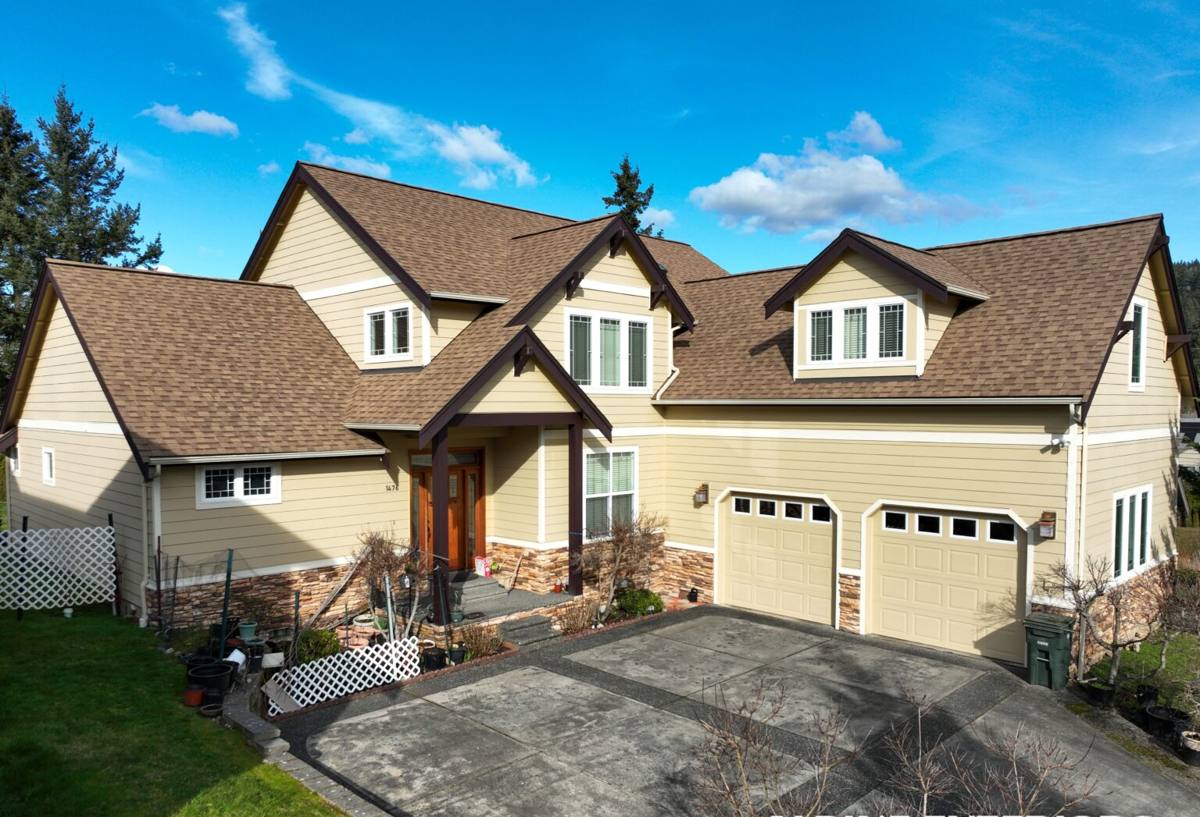
Signs It's Time to Replace, Not Repair
Not every roofing problem calls for a full replacement, and we'll tell you honestly when a repair is the smarter move. But there's a point where patching becomes a losing game — you're spending money to buy a few more months on a roof that's already past the point of reliable protection. Here's what tells us a Downtown Sarasota roof has crossed that line:
- The roof is at or past the manufacturer's rated lifespan for its material, especially if it's original to the home
- Granule loss is heavy enough that you can see bare, shiny patches on shingles, or granules are collecting in gutters
- Multiple leaks have shown up in different areas rather than one isolated spot
- Flashing around chimneys, vents, or wall intersections is cracked, lifted, or rusted through
- Decking underneath feels soft or spongy, or you can see sagging from the ground
- The last named storm caused wind or water damage that an insurance adjuster flagged as widespread
- You're planning to sell and a buyer's inspection is likely to flag roof age or condition
If two or three of these apply, a replacement is usually the more cost-effective path over the next five to ten years than continuing to chase leaks one at a time.
Choosing a Roofing System Built for This Climate
There's no single "best" roofing material for every home — the right choice depends on your roof's pitch, your budget, and how long you want to go before doing this again. What matters most in a Sarasota County climate is how each option handles wind uplift, UV degradation, and salt air corrosion over time.
| Material | Wind Performance | UV / Heat Durability | Salt Air Resistance | Typical Lifespan |
|---|---|---|---|---|
| Architectural asphalt shingles | Good, with proper wind-rated fastening | Moderate — granule loss accelerates with age | Good with corrosion-resistant fasteners | 20–30 years |
| Standing seam metal | Excellent, high wind-uplift ratings | Excellent, reflects heat well | Very good with coastal-grade coatings | 40–60 years |
| Concrete or clay tile | Excellent when properly fastened | Excellent, does not degrade from UV | Very good, though underlayment beneath it wears first | 40–50+ years |
We don't push one material on every homeowner. A shingle roof installed correctly, with the right underlayment and fastening pattern, holds up well in this climate and costs less upfront. Metal and tile cost more to install but ask less of you over the decades that follow. What we won't do is install any of these to a lower standard than the material is capable of — a premium metal roof installed with weak flashing details will underperform a well-installed shingle roof every time.
What a Correct Roof Replacement Actually Involves
Tear-Off and Deck Inspection
We remove the existing roofing material down to the deck rather than layering over it. That's the only way to actually see what's underneath — decking softened by long-term moisture, rot around penetrations, or damage from a prior storm that never got addressed. Any compromised decking is replaced before anything new goes down. Skipping this step is one of the most common shortcuts in the industry, and it's the reason some roofs fail from the inside out well before the shingles wear out.
Decking Standards for Older Homes
On older downtown homes with board decking, we check spacing and condition against current code requirements before installing new material over it. In some cases the existing decking is sound and stays. In others, it needs to be overlaid or replaced to give the new roofing system a nailing surface that actually holds under wind load. We'll tell you which situation you're in before work starts, not after.
Underlayment and Flashing
This is the layer that matters most when wind-driven rain gets pushed sideways under the roof covering during a tropical storm. We install underlayment rated for the material and pitch, with particular attention to valleys, roof-to-wall transitions, and anywhere a chimney, skylight, or vent penetrates the deck. New flashing, not reused flashing, goes in at every one of those points.
Wind-Rated Fastening
Fastener pattern and type are not optional details — they're what separates a roof that stays on in a wind event from one that doesn't. We follow manufacturer specifications for nail count, placement, and fastener type for the wind zone the home sits in, and we use corrosion-resistant fasteners throughout, since standard fasteners degrade faster this close to the water.
Ventilation
A roof that traps heat and moisture in the attic ages faster from the inside, regardless of what's protecting it outside. We check that intake and exhaust ventilation are balanced and adequate for the attic size, and correct it as part of the replacement when it isn't — an issue we find more often than not on older downtown Sarasota homes that have had multiple roofs installed over the same undersized ventilation.
Permits, Codes, and Inspections in Sarasota County
A roof replacement in Sarasota County requires a permit, and for good reason — the Florida Building Code sets wind-resistance and product-approval standards for roofing materials and installation methods in coastal counties like this one. We pull the permit, schedule the required inspections, and build to code as a baseline, not as an afterthought. That paperwork also matters for insurance: a properly permitted, code-compliant roof replacement is typically what your insurer requires to issue wind mitigation credits, and it's documentation you'll want on hand if you ever file a storm claim or sell the home.
We handle the permitting and inspection scheduling as part of the job, so you're not the one tracking down inspectors or chasing paperwork on top of everything else a roof replacement already involves.
How the Process Works, Start to Finish
- Free on-site estimate. We inspect the existing roof, check the attic and decking where accessible, and talk through material options and honest cost ranges — no pressure, no inflated urgency.
- Written proposal. You get a clear scope of work and price before anything is scheduled, so there are no surprises once the crew shows up.
- Permitting. We file with Sarasota County and schedule required inspections before work begins.
- Tear-off and deck inspection. Old material comes off, decking is inspected and repaired as needed.
- Underlayment, flashing, and new roofing installed. Built to the wind and weather demands specific to this area, not a generic install.
- Cleanup and magnetic sweep. Debris and stray fasteners are cleared from the property before we consider the job finished.
- Final walkthrough and inspection sign-off. We walk the job with you and make sure the county inspection is closed out.
Why a Crew That Already Works Downtown Sarasota Matters
Roofing crews that only pass through Sarasota occasionally don't carry the same working knowledge of what this area actually requires — the wind and product-approval standards specific to Sarasota County, the local permitting process, or the realities of scheduling around the region's storm season. A crew that works this area regularly knows how to sequence a job so materials aren't sitting exposed ahead of a forecasted system, understands which flashing and fastening details actually hold up here versus what's adequate inland, and can respond quickly if a problem shows up after a storm rather than making you wait behind a backlog of out-of-town crews.
Some downtown Sarasota neighborhoods also have HOA or architectural review guidelines around roofing color and material, particularly in older or historic sections of the area. A crew familiar with the neighborhood knows to flag that early, before you're locked into a material choice that a review board won't approve.
There's also a practical trust factor. A local crew has a reputation in the community to protect and is easy to find if something needs a second look after the job is done. That accountability shows up in the quality of the work, not just in the sales pitch.
What Affects the Cost of a Downtown Sarasota Roof Replacement
Every roof is different, and we won't quote a number without seeing the job, but these are the factors that move the price up or down:
| Factor | Why It Matters |
|---|---|
| Roof size and pitch | More surface area and steeper pitches mean more material and labor time |
| Material choice | Shingle, metal, and tile carry different material and labor costs |
| Decking condition | Rotted or soft decking found during tear-off adds repair cost not visible from the ground |
| Number of penetrations | Chimneys, skylights, and vents each need individual flashing work |
| Access and layout | Multi-story homes or tight downtown lots can add time and equipment needs |
| Code and permit requirements | Wind-rated fastening and product-approved materials are part of the base cost, not an upgrade |
We'll walk through which of these apply to your home during the estimate so the number you get reflects your roof, not a generic average pulled from somewhere else.
Ready When You Are
If your roof is showing its age, took a hit during the last storm season, or you're just tired of guessing whether it'll hold up through another hurricane season, we're happy to take a look. The estimate is free, there's no pressure, and you'll get a straight answer about whether you need a replacement or just a repair. Use the form below to get started.