 Sarasota Siding
 Siding Replacement Built for Rosemary District's Homes and Climate
Rosemary District sits close to downtown Sarasota, and like most of the city's older-established neighborhoods, it's a mix of small historic-character cottages and bungalows alongside newer infill construction and multifamily buildings. That mix means no two siding jobs in this neighborhood look exactly alike — but every one of them has to hold up to the same Gulf Coast climate. Hurricane-force wind events, intense year-round UV exposure, wind-driven rain, and salt-laden air off Sarasota Bay all work against exterior siding here, and they don't take a year off. A siding replacement done right in this neighborhood isn't just a cosmetic upgrade — it's a system that has to perform under real stress.
This page covers what Rosemary District homeowners specifically need to know before replacing siding: what the climate demands, what a correct installation actually involves, what it tends to cost, and why we only install one product system across every project we take on.
What Sarasota's Climate Does to Siding Over Time
Hurricane-Force Wind Exposure
Sarasota County sits in a high design-wind-speed zone under the Florida Building Code, and every home in Rosemary District is built — or should be re-sided — to meet it. Wind doesn't just push against a wall; it gets underneath loose or improperly fastened siding panels and peels them off, and it drives rain sideways into any gap in the water-resistive barrier. Siding that isn't fastened to manufacturer spec, or that's installed over a compromised substrate, is the first thing to fail in a windstorm.
UV and Heat Cycling
Sarasota gets strong, direct sun essentially year-round. UV breaks down pigments and resins in lower-grade siding materials, leading to fading, chalking, and — in some materials — softening or warping as the surface repeatedly heats and cools. A south- or west-facing wall in this neighborhood will show sun damage years before a shaded north wall does, which is why product choice and finish quality matter more here than in milder climates.
Wind-Driven Rain and Moisture
Between summer storms and tropical systems, Rosemary District homes see a lot of rain arriving at an angle, not straight down. That means water finds its way behind siding at seams, corners, and penetrations far more often than in a dry climate. What matters most for long-term performance isn't the siding material alone — it's the flashing, house wrap, and drainage plane underneath it.
Salt Air
Rosemary District isn't beachfront, but Sarasota's coastal location means salt-laden air moves inland on Gulf breezes and settles on exterior surfaces across the city, accelerating corrosion of fasteners, trim, and any metal components on a home's exterior. Siding materials and hardware that aren't rated for coastal exposure corrode and degrade faster here than the same products would inland.
Rosemary District's Mixed Housing Stock
Older Bungalows and Cottages
Many of the smaller homes in this part of Sarasota date back decades. Siding replacement on these homes often uncovers old sheathing, wood siding layered under later additions, or moisture damage that's been hidden for years. A proper replacement starts with tearing back to bare sheathing and actually inspecting what's underneath — not just installing over whatever is already there.
Newer Infill and Multifamily Construction
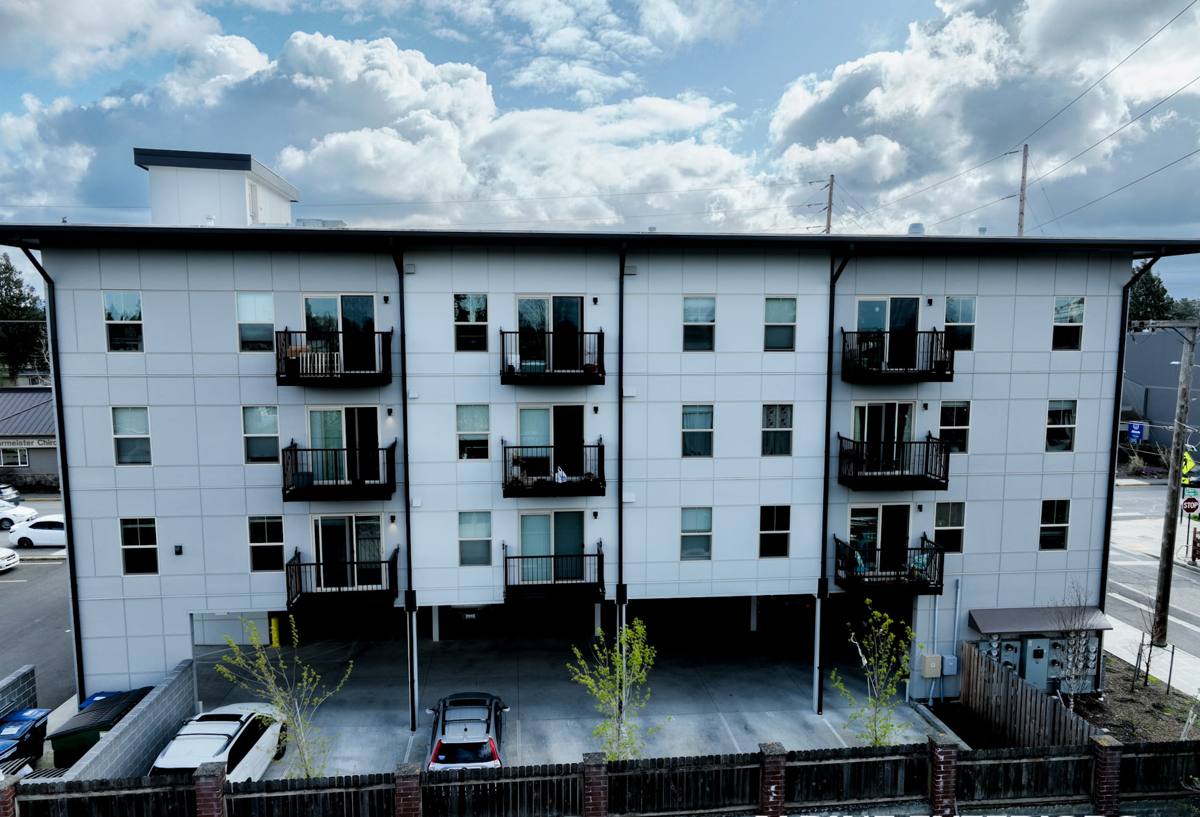
Rosemary District has also seen a lot of newer building in recent years. Newer doesn't automatically mean better-protected — if the original siding installation cut corners on flashing, fastening, or product selection, a relatively young home can still be due for a correct redo. Age tells you how urgent the problem might be, not whether it exists.
What a Correct Siding Replacement Actually Involves
Siding is a system, not just a surface. Skipping any one of these steps is how homes end up needing another replacement in ten years instead of thirty.
Tear-Off and Substrate Inspection
Full removal of the old siding, inspection of the sheathing underneath for rot or delamination, and repair or replacement of any compromised substrate before anything new goes up. This is the step that gets skipped when a contractor is trying to save time, and it's the step that determines whether the new siding actually lasts.
Water-Resistive Barrier and Flashing
A continuous, correctly lapped water-resistive barrier, with proper flashing at every window, door, and penetration, is what actually keeps wind-driven rain out of the wall assembly. The siding on top is the second line of defense, not the first.
Fastening to Manufacturer and Code Spec
Fastener type, spacing, and placement all affect how well siding holds up in a wind event — and they're specified by the manufacturer for a reason. This is also where the Florida Building Code's wind-load requirements come into play for our area; installation that doesn't follow spec can void the manufacturer's warranty even if the product itself is rated for the job.
Trim, Caulking, and Finish Detail
Corners, trim boards, and joints are where most siding failures start. Correct detailing here is what separates a job that looks good on day one from one that still looks good in year fifteen.
Why We Only Install James Hardie Fiber Cement
We install James Hardie fiber cement siding exclusively. We don't install vinyl, LP SmartSide, Cemplank, Allura, or primed wood — not because those products have no legitimate use anywhere, but because after years of installing and standing behind exterior work in this climate, Hardie is the system we're willing to put our name on for every home we side.
Vinyl softens, warps, and can crack in hard wind and heat cycling, and it offers limited real design flexibility. Primed wood and cedar require an ongoing maintenance commitment — repainting, sealing, and pest and moisture vigilance — that most homeowners underestimate going in. LP SmartSide and other engineered-wood products use a wood-strand core, which means their long-term moisture performance depends heavily on installation quality and ongoing maintenance. James Hardie fiber cement is non-combustible, doesn't rot, and is manufactured with a factory-applied ColorPlus finish engineered to resist the fading that intense Florida UV causes in field-painted products. Hardie's HZ5 product line is specifically engineered for high-humidity, moisture-prone climates like ours, and it carries a strong transferable warranty when installed to spec.
| Factor | James Hardie Fiber Cement | Vinyl | Engineered Wood / LP | Primed Wood / Cedar |
|---|---|---|---|---|
| Wind resistance (installed to spec) | Strong | Moderate — can crack, blow off | Moderate | Moderate |
| UV / fade resistance | High (factory ColorPlus finish) | Fades and chalks over time | Fades unless well-maintained | Requires repainting |
| Moisture / rot risk | Very low — cement-based | Low, but traps moisture behind it | Higher if seals fail | Highest — organic material |
| Ongoing maintenance | Low | Low | Moderate | High — recurring paint/seal |
| Fire resistance | Non-combustible | Combustible | Combustible | Combustible |
Our Process for Rosemary District Projects
- On-site assessment — we inspect existing siding, trim, and visible substrate condition, and talk through what your specific home and exposure need.
- Written proposal — scope, product line and color, and a clear cost breakdown before any work starts.
- Permitting — siding replacement in the City of Sarasota and Sarasota County requires permitting; we handle that process as part of the job.
- Tear-off and substrate repair — full removal of old material and correction of any hidden damage found underneath.
- Barrier, flashing, and Hardie installation — installed to manufacturer spec and local wind-load code.
- Final walkthrough — a full review with you before we consider the job done.
What Drives Cost for a Rosemary District Siding Job
There's no honest flat price for siding replacement — every home is different — but the same handful of factors drive cost on most projects in this neighborhood.
| Cost Factor | Why It Matters |
|---|---|
| Home size and wall area | More square footage means more material and labor |
| Substrate condition | Rot or sheathing damage found during tear-off adds repair work |
| Architectural detail | Trim, gables, and multiple roof lines take more time than flat, simple walls |
| Access and lot constraints | Narrow lots and close-set homes, common in this area, can slow staging and material handling |
| Product line and profile | Hardie offers multiple plank profiles, panel styles, and trim options at different price points |
Choosing a Contractor Who Already Works This Neighborhood
A contractor who regularly works Rosemary District already knows the City of Sarasota and Sarasota County permitting process, understands the wind-load requirements for our area, and has a feel for the older housing stock's common trouble spots — things that save you time and prevent mistakes. That local familiarity is worth more than it sounds like on paper.
- Ask whether they install to manufacturer fastening and flashing spec, not just "similar to it"
- Ask who pulls the permit and manages inspections
- Ask what happens if they find rotted sheathing during tear-off — is it in writing?
- Ask for the manufacturer's warranty terms in writing, and whether it's transferable
- Ask how they handle wind-driven rain detailing at windows, doors, and corners
- Confirm they're licensed and insured to work in Sarasota County
Caring for Your Siding After Installation
James Hardie fiber cement is low-maintenance, not no-maintenance. A periodic rinse to clear off salt residue and airborne grime, prompt attention to any caulking that separates at trim joints, and keeping an eye on areas where sprinklers or downspouts spray water directly onto the siding will help your new siding perform for its full service life in this climate.
If your Rosemary District home's siding is showing its age — or you just want an honest opinion on its condition — we're happy to take a look. Reach out for a free, no-pressure estimate using the form below.