 Sarasota Siding
 Siding on a Barrier Island Isn't a Standard Job
Siesta Key sits on a narrow barrier island off the coast of Sarasota, and that location changes what "good siding" actually means. A wall assembly that performs fine ten miles inland on the mainland can fail years early out here, simply because the air itself is more aggressive. Salt-laden humidity settles on every exterior surface, sun exposure is nearly constant, and the wind loads during a tropical system or hurricane are higher than almost anywhere else in Sarasota County. Any siding installation on the Key has to be planned around those three facts from the first measurement to the final fastener.
We install exclusively James Hardie fiber cement siding, and we treat every Siesta Key project as a coastal installation, not a generic residential re-side. That distinction — coastal-aware planning versus a standard install — is where most of the long-term performance difference actually comes from.
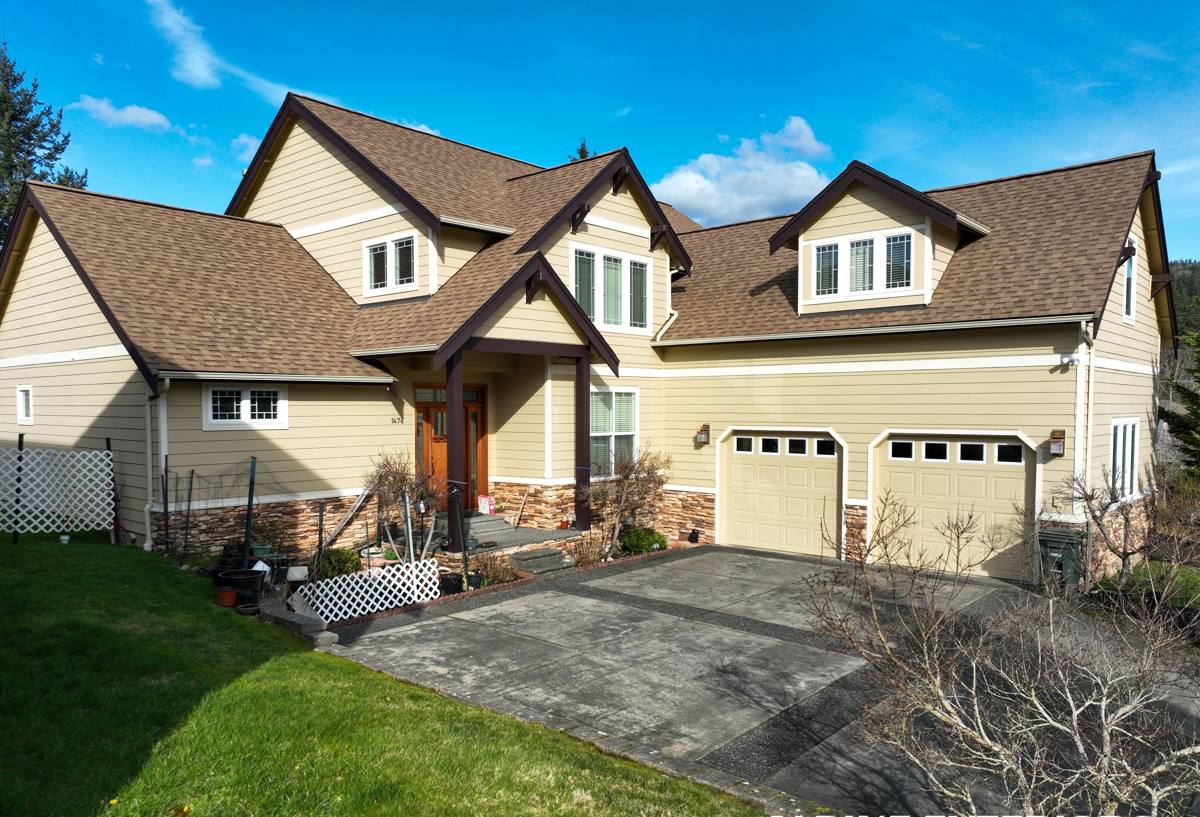
What Siesta Key's Climate Demands From a Siding System
Salt Air and Corrosion
Airborne salt from the Gulf accelerates corrosion on fasteners, trim accessories, and any hardware that isn't rated for a marine-adjacent environment. Over time it also breaks down organic materials — wood fibers, certain composite substrates, and lower-grade coatings — faster than inland weathering would. A siding product that isn't dimensionally stable and chemically resistant to this environment shows chalking, softening, or edge deterioration well before its expected service life is up.
Constant UV Exposure
Sarasota gets sun nearly year-round, and Siesta Key's open exposure means walls facing south and west take a steady beating. UV breaks down pigments and surface coatings, which is why paint on many siding materials fades unevenly and needs recoating on a tight cycle. The finish system matters as much as the substrate underneath it.
Wind-Driven Rain and Hurricane Loads
Wind-driven rain during storms doesn't just fall on siding — it drives sideways and upward into laps, seams, and penetrations. During a hurricane or tropical storm, wind loads on an island property are typically higher than on a comparable mainland site a few miles east. Siding on the Key needs to be rated for those loads and, just as importantly, installed with fastening patterns and clearances that actually deliver that rating in practice.
Humidity and Moisture Cycling
Florida humidity keeps wall assemblies damp more of the year than in drier climates, and the wet-dry cycling that follows every afternoon storm stresses materials that expand and contract with moisture. Siding and the water-resistive barrier behind it need to manage that moisture rather than trap it.
Why We Standardized on James Hardie for This Environment
James Hardie fiber cement is engineered from cement, sand, and cellulose fibers — a composition that doesn't rot, doesn't support insect activity, and isn't structurally affected by the salt and moisture exposure that wears down organic or moisture-sensitive materials. It's also non-combustible, which matters to some owners independent of storm concerns.
Two things about the Hardie system specifically suit a barrier-island install:
- HZ5 climate-engineered product line — Hardie's HZ5 formulation is built for hot, humid, storm-exposed regions like ours, with moisture and impact performance matched to the conditions instead of a one-size-fits-all national spec.
- ColorPlus factory finish — a baked-on, multi-coat finish applied under controlled conditions, which resists UV fade and chipping far better than field-applied paint and doesn't need repainting on the same schedule that other siding does.
We don't install LP SmartSide, vinyl, Cemplank, Allura, primed spruce, or cedar. Each of those has legitimate applications elsewhere, but for a Siesta Key exterior facing salt air, high UV, and hurricane wind, we've made Hardie our standard because it's the system we're confident holding up to the environment and standing behind long-term.
What a Correct Installation Actually Involves
Fiber cement siding is only as good as the installation behind it. A rushed or generic install can undercut even the best product. On every Siesta Key job we control for the details that determine whether the siding performs for decades or needs early rework:
Water-Resistive Barrier and Flashing First
Before a single piece of siding goes up, the wall needs a continuous water-resistive barrier and correctly lapped flashing at every window, door, and penetration. This layer is what actually keeps wind-driven rain out of the wall assembly — the siding itself is the second line of defense, not the first.
Fastener Selection and Placement
Given the corrosion risk from salt air, fastener material and coating matter. Hardie specifies corrosion-resistant fasteners, and fastening pattern, spacing, and embedment depth all affect wind resistance — this is exactly where a generic crew unfamiliar with coastal work tends to cut corners without realizing it.
Clearances and Gaps
Proper clearance from grade, roofing, decks, and other surfaces prevents moisture wicking into the siding's bottom edge. Gaps at butt joints and around trim need to follow Hardie's specified sizing and be properly caulked or capped — too tight and the board can't move with humidity cycling, too loose and water gets behind it.
Manufacturer Installation Specification
James Hardie's warranty is conditioned on installation to their published specifications. This isn't paperwork for its own sake — it's the difference between the product performing as engineered and voiding coverage over an installation shortcut.
| Install Element | Why It Matters on Siesta Key |
|---|---|
| Water-resistive barrier | Primary defense against wind-driven rain intrusion during storms |
| Corrosion-resistant fasteners | Salt air accelerates standard fastener corrosion |
| Correct clearances | Prevents moisture wicking in a consistently humid climate |
| Manufacturer-spec fastening pattern | Delivers the wind rating the product is engineered for |
| ColorPlus finish (uncut, factory edges) | Maintains UV and moisture resistance where field-cut edges would be exposed |
How Our Process Works for Siesta Key Homes
Siesta Key adds some logistical layers that mainland Sarasota jobs don't have — bridge access, tighter lots on many streets, and in some cases HOA or community design guidelines depending on the neighborhood. We build those into the schedule up front rather than discovering them mid-project.
- On-site assessment — we walk the exterior, check the current wall assembly and any moisture or substrate issues, and measure for material takeoff.
- Product and color selection — we go through the applicable Hardie product line and ColorPlus color options, and flag any HOA or community guideline considerations for the property.
- Permitting — siding replacement in Sarasota County typically requires a permit; we handle that process rather than leaving it on the homeowner.
- Substrate and barrier prep — removal of existing siding, inspection of sheathing for damage, and installation of the water-resistive barrier and flashing system.
- Installation to spec — Hardie siding installed with the fastening pattern, clearances, and joint treatment required to keep the manufacturer warranty intact.
- Final walkthrough — we go over the finished exterior with the homeowner before calling the job complete.
Signs a Siesta Key Home Needs Siding Attention
- Visible cracking, buckling, or soft spots on current siding
- Paint failing or peeling faster than a normal repaint cycle would suggest
- Staining or discoloration that keeps returning after cleaning
- Gaps opening at trim, corners, or butt joints
- Rising energy bills that may point to a compromised wall assembly
- Visible fastener corrosion or rust streaking below fastener heads
Cost Factors for a Siesta Key Siding Project
Every property is different, so we don't quote pricing sight unseen, but the main variables that move cost on an island property are consistent:
| Factor | Impact |
|---|---|
| Home size and wall complexity | More linear footage and more corners/trim detail increases labor and material |
| Current substrate condition | Sheathing repair or replacement adds scope beyond the siding itself |
| Product line and profile | Hardie offers multiple plank widths, textures, and panel styles at different price points |
| Access and site logistics | Tighter lots and limited staging space on some Key streets affect labor time |
| Trim and accessory scope | Fascia, soffit, and trim replacement alongside siding changes total project cost |
Why Local Experience on Siesta Key Matters
A crew that regularly works this barrier island already understands the access constraints, the permitting expectations at the county level, and the extra weathering the environment puts on an exterior. That familiarity shows up in fewer surprises mid-project and a finished install that's actually planned for salt air, sun, and wind — not just installed the same way it would be twenty miles inland.
If you're weighing a siding replacement on Siesta Key, we're glad to walk the property, look at what's there now, and talk through what a correctly installed Hardie system would look like for your home. Reach out for a free, no-pressure estimate using the form below.