 Sarasota Siding
 Siding Repair in Bee Ridge: What Local Homes Actually Need
Bee Ridge sits inland from the coast but still takes the full brunt of a Sarasota County summer — long stretches of intense UV, sudden downpours, and the kind of humidity that never really lets up from May through October. Add in the salt air that drifts across the whole Sarasota area even away from the immediate waterfront, and you've got a climate that is genuinely hard on exterior siding. When we get called out to a Bee Ridge home for a repair, the damage almost always traces back to one of these forces working on the siding day after day, year after year.
This page is about siding repair specifically — not a full re-side, though we'll tell you honestly when that's the better call. Whether you're in one of Bee Ridge's older ranch-style neighborhoods or a newer build off Bee Ridge Road, the fundamentals of a correct repair don't change: find the actual cause of the failure, fix the water and moisture path first, then match the repair to the surrounding siding so it doesn't stand out.
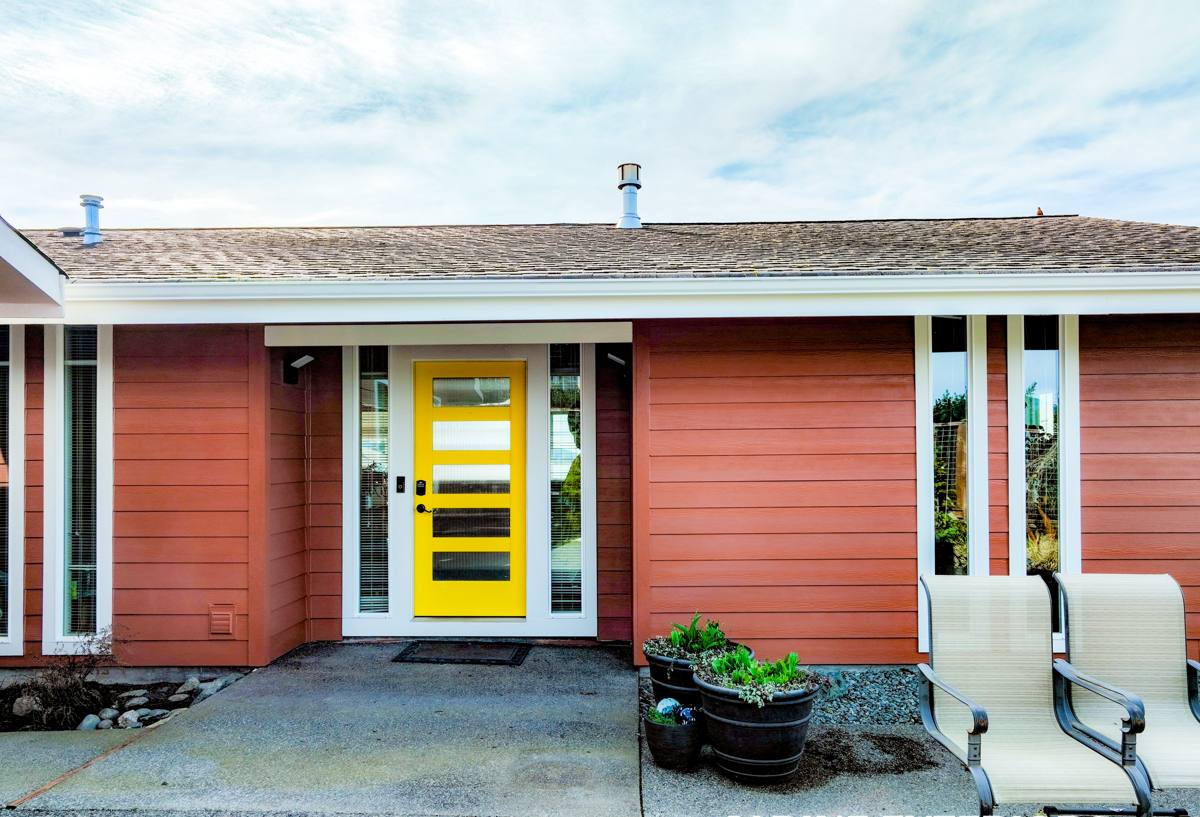
What's Actually Damaging Siding in This Part of Sarasota County
UV and Heat
Florida sun is relentless, and siding facing west or south takes the worst of it. UV breaks down paint film and, on lower-quality or poorly finished siding, the substrate underneath. You'll see this as chalking, fading, or a chalky residue that rubs off on your hand — an early sign the factory finish is wearing thin and moisture protection is going with it.
Wind-Driven Rain
Sarasota's afternoon storms don't just fall straight down — wind pushes rain sideways into siding laps, corner boards, and anywhere there's a seam. Over time, wind-driven rain finds its way behind poorly caulked joints or under siding that's lost its seal, and that's where rot, swelling, and hidden water damage start. This is one of the most common reasons we get repair calls in inland Sarasota neighborhoods, not just beachfront ones.
Salt Air and Humidity
Even a few miles from the water, salt-laden air corrodes fasteners, trim flashing, and metal accessories faster than it would inland in a drier climate. Combined with near-constant humidity, this accelerates corrosion at nail heads and butt joints — small failure points that, left alone, become bigger repair jobs.
Storm and Wind Events
Hurricane-force wind doesn't have to make direct landfall on Sarasota to cause damage. Wind gusts during tropical storms and passing hurricanes can lift panels, crack boards, or drive debris into siding. After any named storm, it's worth a walk-around inspection even if nothing looks obviously wrong.
Signs a Bee Ridge Home Needs Siding Repair
- Cracked, split, or buckled siding panels, especially near corners or window trim
- Soft or spongy spots when you press on the siding — a sign of moisture damage underneath
- Visible gaps at seams, laps, or where siding meets trim and flashing
- Peeling or bubbling paint, or chalky residue that wipes off on your hand
- Staining or dark streaks that suggest water is tracking behind the siding
- Rust bleeding from fastener heads
- Rot, warping, or a musty smell near exterior walls (often noticeable from inside too)
- Loose or missing pieces after a storm
Any one of these on its own might be minor. Several together, especially on the same wall, usually mean water has been getting behind the siding for a while and the damage is worse than what's visible from the outside.
Repair or Replace? How We Make That Call
Not every damaged section needs a full re-side, but sometimes patching a small area is the wrong move because it leaves the underlying cause untouched. Here's how we generally think about it:
| Situation | Usual Recommendation | Why |
|---|---|---|
| Isolated cracked or impact-damaged boards, siding otherwise sound | Targeted repair | Localized damage, structure and moisture barrier intact elsewhere |
| Rot or water damage confined to one wall or corner | Repair that section, inspect adjacent framing | Catching it early prevents it from spreading further |
| Widespread chalking, fading, or finish failure across the whole house | Discuss full replacement | Repairing individual boards won't match a uniformly aged finish |
| Siding is an older product (non-Hardie fiber cement, aging vinyl, or wood) with recurring moisture problems | Replacement with James Hardie | Repeated repairs on a failing product cost more over time than doing it right once |
| Storm damage limited to a few panels | Repair, matched to existing ColorPlus finish where possible | James Hardie's factory finish makes color-matched patch repairs realistic |
We'll always give you the honest read on which category your home falls into — we don't upsell a full re-side when a repair will genuinely hold up, and we won't recommend patching something that's going to fail again in a year.
What a Correct Siding Repair Actually Involves
A repair that just covers up the visible damage without addressing what caused it is a repair you'll be paying for again. Our process on a Bee Ridge repair call typically includes:
- Diagnose the source. We look past the damaged board itself — checking flashing, caulking, house wrap, and fastener condition around the failure point.
- Remove damaged material fully. Rot and water damage spread; we cut back to sound material, not just the visibly bad section.
- Address the moisture path. If water was getting in through a flashing gap, a bad seal, or improperly lapped siding, that gets corrected before anything new goes on.
- Replace with matching James Hardie product. We use the correct HZ5 climate-engineered product and, where possible, match the existing ColorPlus finish or profile so the repair blends in.
- Reseal and finish to spec. Fasteners, caulking, and trim work follow James Hardie's installation guidelines — not shortcuts that will show up as callbacks later.
Why We Only Repair and Install James Hardie Fiber Cement
We don't install LP SmartSide, vinyl, Cemplank, Allura, or primed wood siding, and we're upfront about why. Vinyl siding can warp and fade under intense, sustained Florida UV, and it offers limited protection in wind-driven rain events since it relies heavily on the house wrap behind it rather than the panel itself. Wood-based and engineered wood products need diligent, ongoing maintenance to keep moisture out — miss a repaint cycle in this climate and rot can set in fast. Other fiber cement brands may be reasonable products, but we've standardized on James Hardie specifically because of its ColorPlus factory finish (which resists the fading and chalking we see so often from UV exposure here), its HZ5 formulation engineered for humid, high-moisture climates like ours, and a transferable warranty backed by a manufacturer with a long track record in Florida.
When we repair a home that already has James Hardie siding, we can usually match the existing product and finish closely. When a home has a different siding product failing repeatedly, we'll walk you through what full replacement with Hardie would look like — not because we're chasing a bigger job, but because repairing a product that's structurally working against the climate is a losing pattern.
Our Process for Bee Ridge Homeowners
We start with an on-site inspection, not a phone estimate — siding damage in this climate is often worse underneath than it looks from the driveway, and we want an accurate picture before we quote anything. From there:
- We identify every damaged area, not just the one you called about
- We explain what caused it in plain language, including whether it's a one-time event (storm impact) or an ongoing issue (moisture intrusion, failed caulking)
- We give you a clear repair-versus-replace recommendation with reasoning, not just a price
- We schedule the work around Florida's rain patterns to avoid delays and protect exposed areas in the meantime
- We clean up thoroughly and walk the finished repair with you before we consider the job done
Why Local Bee Ridge Experience Matters
A crew that regularly works in Bee Ridge and the surrounding Sarasota County neighborhoods knows what this specific mix of inland heat, humidity, and storm exposure does to siding over time, and they've seen enough of it to diagnose problems quickly instead of guessing. That familiarity matters more than it sounds like it should — it's the difference between a repair that addresses the real cause and one that just covers the symptom until the next storm season.
If you're seeing cracked boards, soft spots, staining, or storm damage on your Bee Ridge home, we're happy to take a look and give you a straight answer on what it needs. Reach out for a free, no-pressure estimate using the form below.