 Sarasota Siding
 Why Bee Ridge Homes Need a Siding Plan Built for This Climate
Bee Ridge homes deal with a version of Florida weather that doesn't let up. Sarasota County sits under Florida Building Code wind provisions that assume tropical storms and hurricanes are a matter of when, not if, and the siding on your home is one of the first things put to the test when a system rolls through. Between named storms, the daily grind is just as hard on a wall: intense year-round UV that bakes paint and breaks down weak materials, wind-driven rain that finds every gap in flashing and trim, and salt-laden air that corrodes fasteners and hardware faster than most homeowners expect, even well inland from the water.
A siding replacement in Bee Ridge isn't just a cosmetic upgrade. Done right, it's a system — material, moisture management, and installation detail working together to keep the wall assembly dry and intact through decades of Gulf Coast weather. Done wrong, or with the wrong product, it becomes a recurring maintenance problem within a few years. This page walks through what that job actually involves for a Bee Ridge home, and why the crew doing it matters as much as the material going on the wall.
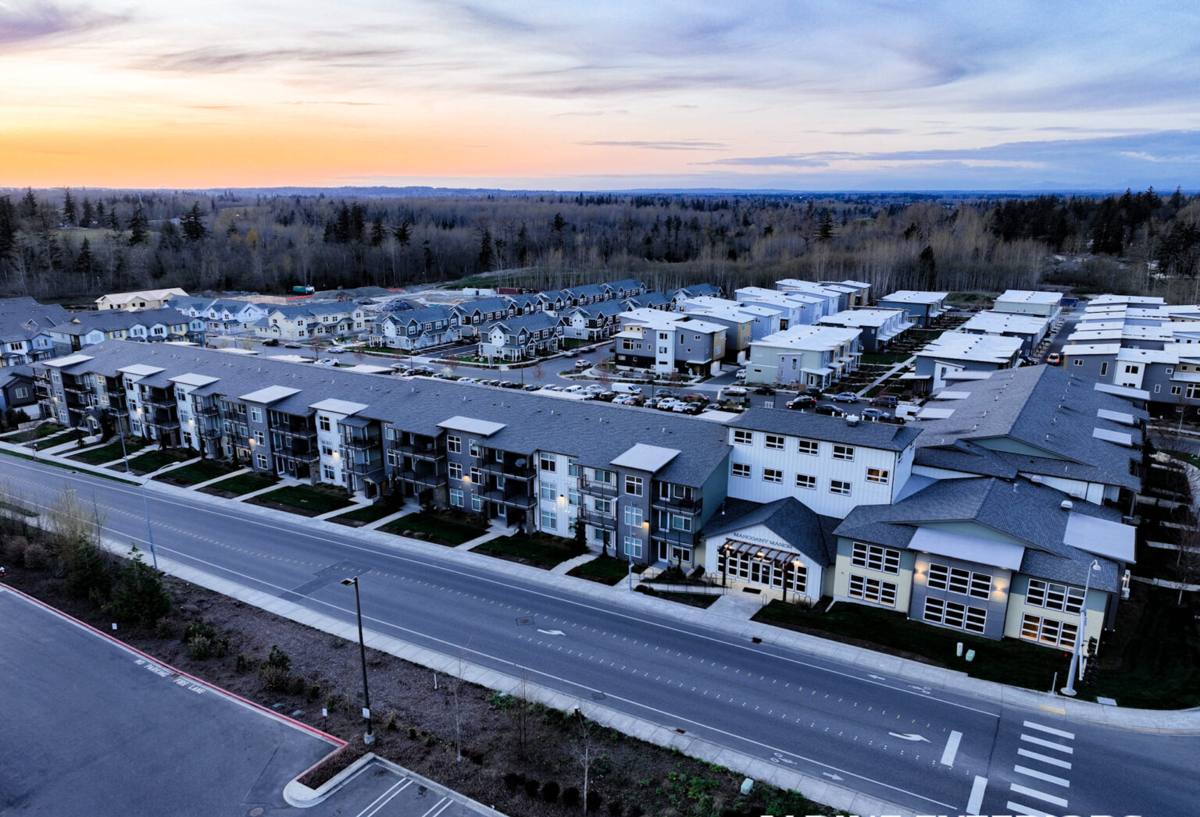
What Sarasota's Climate Actually Does to Siding Over Time
UV Exposure
Florida sun is relentless almost year-round. Paint films on wood and lower-grade composite siding chalk, fade, and crack under sustained UV, which is why repainting cycles on older homes in this area tend to run shorter than in cooler, cloudier climates. Once the paint film starts failing, the substrate underneath is exposed, and deterioration speeds up.
Wind-Driven Rain
Rain in this part of Florida rarely falls straight down. Tropical systems and even routine summer storms push rain sideways into walls, seams, and trim joints. Siding that isn't installed with proper laps, flashing, and clearances lets that water behind the cladding, where it can sit against sheathing and framing far longer than anyone notices from the outside.
Salt Air
You don't have to live directly on the water to feel this. Salt carried on Gulf breezes settles on siding, trim, and fasteners across a wide swath of Sarasota County, accelerating corrosion on anything not rated for coastal exposure — cheap nails, unprotected metal trim, and fastener heads left exposed are common failure points.
Wind Load
Beyond named storms, this area regularly sees straight-line wind events strong enough to test how well siding is actually fastened to the wall. Panels or planks installed with the wrong nailing pattern, spacing, or fastener type can work loose or blow off well before a hurricane ever arrives.
What a Correct Siding Replacement Involves
Replacing siding is not a matter of stripping the old material off and nailing up new panels in the same afternoon. A job done to spec in this climate includes several steps that are easy to skip and hard to inspect once the new siding is up:
- Full removal of the old siding and a real inspection of the sheathing underneath — not a glance, but a check for soft spots, rot, and hidden moisture damage
- Repair or replacement of any compromised sheathing before anything new goes back on the wall
- Installation of a code-compliant weather-resistive barrier, lapped correctly from the bottom up so water sheds outward, not inward
- Proper flashing at every window, door, and penetration — the single most common source of hidden leaks behind siding
- Correct fastener type, length, and spacing for the specific siding product and wind zone
- Manufacturer-specified clearances at grade, roofing, and trim so the bottom edge of the siding isn't sitting in standing water or constant splash-back
- Final trim, caulking, and touch-up work finished to a standard that holds up to UV, not just looks good on install day
Every one of those steps matters more in Sarasota than in a drier, calmer climate, because the margin for error is smaller. A gap that would be a minor annoyance in a low-humidity region becomes a moisture problem here within a season or two.
Why We Only Install James Hardie Fiber Cement
We install James Hardie fiber cement siding exclusively. We don't install vinyl, LP SmartSide, Cemplank, Allura, primed spruce, or cedar, and that's a deliberate standard, not a lack of options.
Fiber cement is non-combustible and dimensionally stable in heat and humidity, which matters through a Sarasota summer where wood-based and engineered-wood products expand, contract, and are more vulnerable to moisture intrusion at cut edges and seams. Hardie's ColorPlus factory-applied finish is baked on under controlled conditions, which holds color and resists the fading and chalking that UV causes to field-painted or lower-grade prefinished siding. And Hardie engineers specific product lines — its HZ10 formulation — for hot, humid, high-moisture climates like Florida's, rather than selling one national product and hoping it performs everywhere.
Vinyl can soften, warp, or crack under sustained heat and direct sun, and it's not the material we'd choose to stand up to hurricane-force wind loads over the long run. Wood and primed wood products need a maintenance commitment — regular repainting and moisture vigilance — that most homeowners underestimate until the siding is already failing. Fiber cement alternatives to Hardie vary in formulation and factory finish quality, and we've standardized on Hardie because of the consistency of its climate-engineered product line, the strength of its transferable warranty, and its track record when installed to spec. That combination is why it's the only material we put on a Bee Ridge home.
Signs a Bee Ridge Home Needs Siding Replacement
Siding failure is often gradual, which is why it's easy to miss until repair costs start piling up. Watch for these signs, especially on homes with older wood, hardboard, or vinyl siding:
- Soft, spongy, or crumbling spots when you press on the siding, especially near the bottom courses
- Paint that's peeling, bubbling, or chalking heavily despite a recent repaint
- Visible warping, buckling, or gaps opening up between panels or planks
- Rust streaks running down from fasteners or trim
- Rising cooling bills or noticeably warmer rooms along exterior walls, which can point to moisture-compromised insulation behind the siding
- Mold, mildew, or a persistent musty smell near exterior walls
- Siding that's more than 20-25 years old, even if it looks fine from the curb — the substrate underneath may already be past its useful life
Our Process, From Estimate to Final Walkthrough
1. On-Site Assessment
We walk the exterior with you, check the condition of the existing siding and, where visible, the sheathing underneath, and talk through what's driving the need for replacement — age, storm damage, moisture issues, or just wanting a straightforward, low-maintenance material going forward.
2. Scope and Product Selection
We help you choose the right James Hardie profile and ColorPlus color for your home's style, and lay out exactly what the job includes — tear-off, sheathing repair allowances, house wrap, flashing, trim, and finish work — so there are no surprises once work starts.
3. Tear-Off and Inspection
Old siding comes off and we inspect the sheathing before anything new goes up. If there's hidden rot or moisture damage, we address it before closing the wall back up — this is the step that gets skipped on rushed jobs and causes problems years later.
4. Installation to Spec
Weather barrier, flashing, and Hardie siding go on following manufacturer installation guidelines and local building code, including fastening and clearance requirements suited to this area's wind exposure.
5. Final Walkthrough
We review the finished work with you, confirm trim and caulking are clean, and make sure you understand the warranty coverage on both material and workmanship before we consider the job done.
What Drives the Cost of a Siding Replacement
Every home is different, so we don't quote pricing until we've seen the job, but these are the main factors that move the number up or down:
| Factor | Why It Matters |
|---|---|
| Home size and wall area | More square footage of siding, trim, and house wrap means more material and labor |
| Condition of existing sheathing | Hidden rot or moisture damage found during tear-off adds repair scope before new siding can go on |
| Siding profile and plank width | Different Hardie profiles and reveal widths affect material cost and installation time |
| Trim and architectural detail | Corners, gables, and decorative trim take more labor than a simple, flat wall |
| Story height and access | Second-story and hard-to-access walls require more equipment and time |
| Existing siding removal | Some materials come off faster and cleaner than others, affecting labor time |
We walk through each of these with you during the estimate so you understand what's driving your specific number, not just a flat quote with no explanation behind it.
Why a Crew That Already Works in Bee Ridge Makes a Difference
Siding installation looks similar on paper everywhere, but the details that actually matter — fastening patterns for local wind exposure, flashing choices for wind-driven rain, and clearances that account for Florida's humidity — are things a crew learns by doing this work repeatedly in this specific climate. A contractor who mostly works drier, calmer regions and treats Sarasota jobs as an occasional side project is more likely to skip details that don't matter where they usually work but matter a great deal here.
There's also the practical side: a crew already familiar with Sarasota County's permitting process and inspection expectations keeps a project moving instead of stalling on paperwork or code questions mid-job. And a local crew has a reputation in the community to protect — that's a real incentive to do the tear-off, the flashing, and the finish work right the first time, not just fast.
Protecting Your Investment After Installation
James Hardie fiber cement is low-maintenance compared to wood or vinyl, but "low-maintenance" doesn't mean "no maintenance." A simple annual check keeps a new siding job performing for decades:
- Rinse the siding periodically to clear salt residue and airborne grime, especially on walls facing prevailing wind
- Inspect caulking at trim, windows, and doors yearly and touch up before small gaps become water paths
- Keep sprinklers from spraying directly on siding, which can cause staining and keep the bottom edge chronically wet
- Trim back landscaping so it isn't holding moisture against the wall or scraping the surface
- After any major storm, walk the exterior and look for cracked panels, loose trim, or damaged flashing
If you're weighing whether your current siding has more life left in it, or you're ready to move forward with a replacement built for what this area's weather actually does to a home, we're happy to take a look. Reach out for a free, no-pressure estimate using the form below.