 Sarasota Siding
 Longboat Key Is a Different Animal for Siding
Longboat Key sits on a narrow barrier island between Sarasota Bay and the Gulf of Mexico, and that location changes what siding has to survive. A wall assembly that holds up fine ten miles inland in Sarasota County can fail years early out here. Salt-laden air moves across the island constantly, hurricane-force wind events are a real seasonal risk, UV exposure runs strong nearly year-round, and wind-driven rain doesn't just wet a wall surface — it drives moisture sideways into any gap, seam, or fastener hole that wasn't sealed correctly the first time.
Replacing siding on a Longboat Key home isn't just a cosmetic upgrade. It's a chance to correct whatever the original installation got wrong and put a product and installation method on the house that's actually built for where it sits.
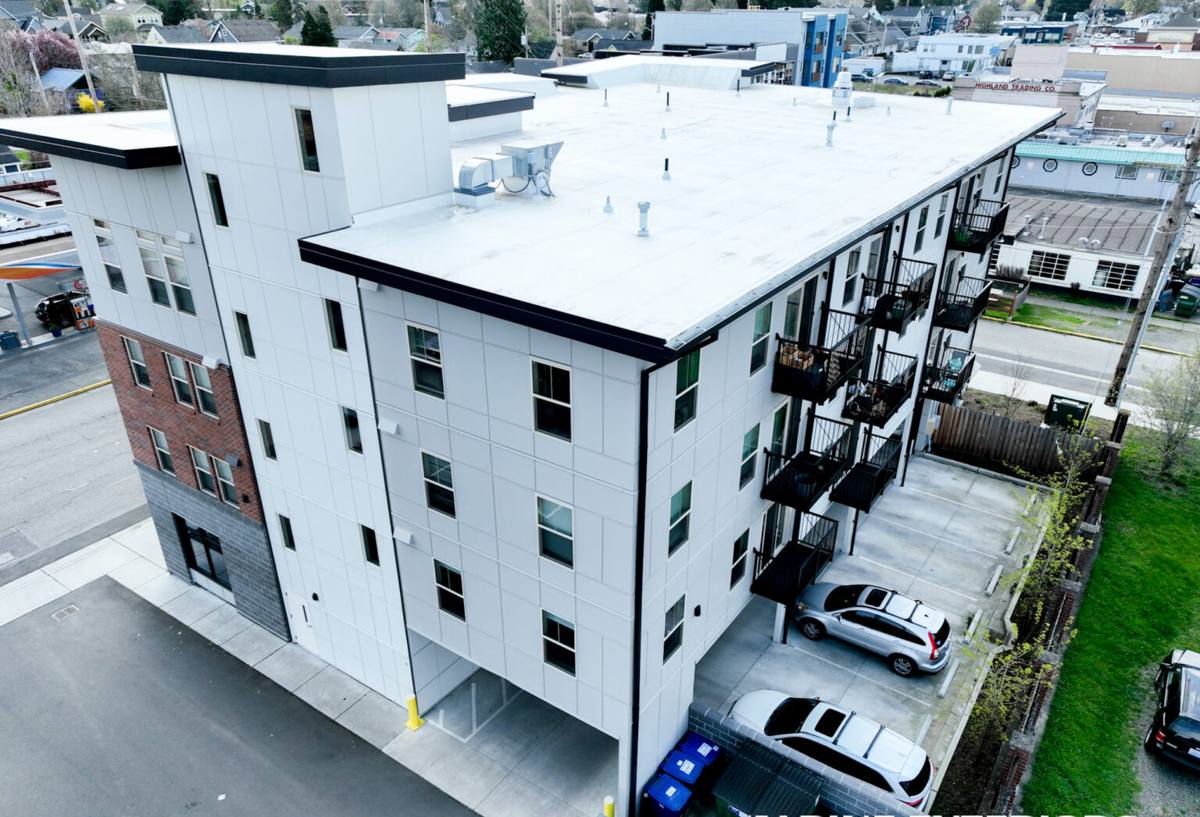
What Salt Air, Wind, and Sun Actually Do to Siding
Salt Air and Corrosion
Airborne salt doesn't just sit on the surface — it works into fasteners, trim joints, and any exposed edge of a material that isn't rated to handle it. Over years, that leads to corroding fasteners, staining, and accelerated breakdown of anything not engineered for coastal exposure. This is a bigger factor on Longboat Key than almost anywhere else in Sarasota County simply because of how close every home is to open salt water on both sides of the island.
Hurricane-Force Wind
Wind doesn't just push on siding — it creates pressure differentials that can pull panels away from the wall if fastening, clearances, and edge details aren't done to spec. On a barrier island, wind loads are higher and more frequent than inland, which means the margin for installation error is smaller.
UV and Heat Cycling
Near-constant sun exposure fades color and dries out unprotected materials over time. Siding that relies on field-applied paint is fighting a losing battle against Florida sun; a factory-cured finish holds color and integrity far longer.
Wind-Driven Rain
Rain that arrives horizontally during a storm finds every unsealed gap. It gets behind siding at butt joints, around window and door trim, and at penetrations for utilities or fixtures. Once moisture gets behind the cladding, the sheathing, framing, and insulation behind it are what actually suffer — often invisibly, for years.
Signs a Longboat Key Home Needs Siding Replaced, Not Patched
- Soft or spongy spots when you press on the siding, especially near the bottom courses or around window trim
- Visible cupping, buckling, or separation at panel seams
- Paint that's failing repeatedly in the same spots even after repainting
- Persistent staining or dark streaking that keeps coming back after cleaning
- Corroded or rust-streaked fasteners visible at the panel surface
- Interior signs — musty smell, peeling interior paint, or soft drywall on an exterior wall
- Siding that's original to a home built decades ago, especially if it's never been fully inspected behind the surface
Any one of these can sometimes be handled with a repair. Multiple signs together, or damage that keeps returning after repairs, usually means the underlying wall assembly has been compromised and a full replacement is the more honest fix.
Why We Only Install James Hardie Fiber Cement Here
We don't install vinyl, LP SmartSide, or other engineered wood products on Longboat Key homes, and we're upfront about why. Vinyl can warp and become brittle under sustained heat and UV, and it isn't rated for the wind speeds this island sees in a serious storm. Wood-based products, even engineered ones, depend on their outer coating staying perfectly intact to keep moisture out — one damaged edge in a salt-air, high-humidity environment and the clock starts on rot. Given what this island's climate does to a wall assembly, we standardized on James Hardie fiber cement because it's non-combustible, doesn't rot, and is manufactured specifically with coastal and high-wind climates in mind.
Climate-Engineered for This Exact Exposure
Hardie manufactures its fiber cement in different formulations (HZ5® and HZ10®) engineered for different climate zones across the country, rather than a single one-size-fits-all product. Homes in this region get the formulation matched to Florida's combination of moisture and heat cycling, not a version engineered for a dry or cold climate.
ColorPlus Factory Finish
Rather than relying on field-applied paint that has to cure correctly on-site and then fight Florida sun and salt air from day one, Hardie's ColorPlus® finish is baked on in a controlled factory environment. That gives a harder, more UV- and fade-resistant top coat than most site-applied paint jobs achieve, which matters directly on an island with this much year-round sun exposure.
Backed by a Real Warranty
James Hardie backs its siding with a transferable limited warranty, which matters both for owners planning to stay long-term and for the resale value on an island where property turnover and second-home ownership are common.
What a Correct Installation Actually Involves
Fiber cement performs the way it's supposed to only when it's installed to manufacturer spec — that's true anywhere, but the margin for error is thinner on a barrier island. Correct installation on a Longboat Key home includes:
- A properly lapped weather-resistive barrier behind the siding, with all penetrations sealed
- Correct starter strip placement and consistent clearance at the bottom of the wall
- Fasteners driven to the manufacturer's specified depth and pattern — not overdriven, not underdriven
- Proper flashing at every window, door, and roofline intersection, not just caulk
- Correct panel gaps and joint treatment to allow for expansion without letting water in
- Fastener and trim hardware rated for coastal, high-salt environments
Skipping any one of these doesn't usually cause an obvious problem on day one. It shows up two, five, or ten years later as moisture damage behind a wall that looked fine from the street the whole time.
Correct vs. Common Shortcut Installation
| Detail | Done to Spec | Common Shortcut |
|---|---|---|
| Fastening | Manufacturer-specified pattern and depth, corrosion-resistant fasteners | Standard fasteners, overdriven or inconsistent spacing |
| Flashing | Metal or manufacturer-approved flashing at every penetration | Caulk alone relied on to seal joints |
| Weather barrier | Continuous, properly lapped, all seams taped | Gaps or improper overlap direction |
| Panel clearance | Set per spec at grade, roofline, and decking | Tight or inconsistent clearances trapping moisture |
Navigating HOA and Association Review on Longboat Key
Many Longboat Key properties belong to a condominium association or homeowners association with its own exterior design guidelines, and some fall under municipal design review as well. Color selection, trim profiles, and sometimes even siding texture can be subject to approval before work starts. We build that review time into scheduling from the start rather than treating it as a surprise midway through a project, and we help homeowners put together the documentation an association typically wants to see — product specifications, color samples, and a general scope of work.
How Our Process Works
- On-site assessment. We inspect the current siding and, where accessible, check for hidden moisture damage behind it before recommending full replacement.
- Written scope and estimate. You get a clear breakdown of what's being replaced, the Hardie products and color involved, and a straightforward cost range — no vague allowances.
- Association or design review support. If your community requires approval, we help prepare what's needed so it doesn't stall the project.
- Tear-off and substrate check. Old siding comes off and we inspect the sheathing underneath before anything new goes up — this is where hidden damage gets caught and addressed.
- Installation to manufacturer spec. Weather barrier, flashing, fastening, and clearances done correctly, not rushed.
- Final walkthrough. We go over the finished work with you directly before calling the job done.
What Affects the Cost of a Longboat Key Siding Replacement
| Factor | Why It Matters Here |
|---|---|
| Home size and wall complexity | More square footage and more corners, gables, or dormers mean more material and labor |
| Condition of the substrate | Hidden moisture or rot found during tear-off adds repair scope before new siding goes on |
| Product line and profile | Lap siding, shingle-style panels, and trim details vary in material cost |
| Color selection | ColorPlus factory finishes vary in price by color; site-painted options add labor |
| Access and site logistics | Island access, staging space, and elevated or waterfront structures can affect labor time |
| HOA or design review requirements | Additional documentation or approval timelines can affect scheduling, though usually not material cost |
We give real, project-specific numbers after the on-site assessment rather than a rough figure over the phone — every one of these factors can move the total, and we'd rather be accurate than fast.
Why Hiring a Crew That Already Works on Longboat Key Matters
A crew that only occasionally works this island learns its lessons on your house. A crew that already works Longboat Key regularly already understands the association approval process, already knows what barrier-island wind and salt exposure demand from a fastening and flashing standpoint, and already has the logistics of island access, parking, and staging worked out before your project starts. That's fewer surprises, fewer delays, and a job that accounts for this specific environment from day one rather than being adapted mid-project.
It also matters for the properties themselves. A meaningful share of homes on Longboat Key are seasonal or sit vacant for stretches of the year. That means moisture problems behind failing siding can go unnoticed far longer than in a home someone lives in full-time — which makes getting the replacement done correctly, the first time, even more important.
If your Longboat Key home's siding is showing its age or you're planning ahead of the next storm season, we're happy to take a look and give you a straightforward, no-pressure estimate. Use the form below to get started.